
Biometric Border Checks, Visa Costs Surge Across Norway, France, Germany, UK, US, Thailand in 2026
Entry/Exit System enforcement, 90/180-day rule tracking, and rising visa fees reshape global travel. Expect 5–10 minute delays at major airports as biometric checks roll out.

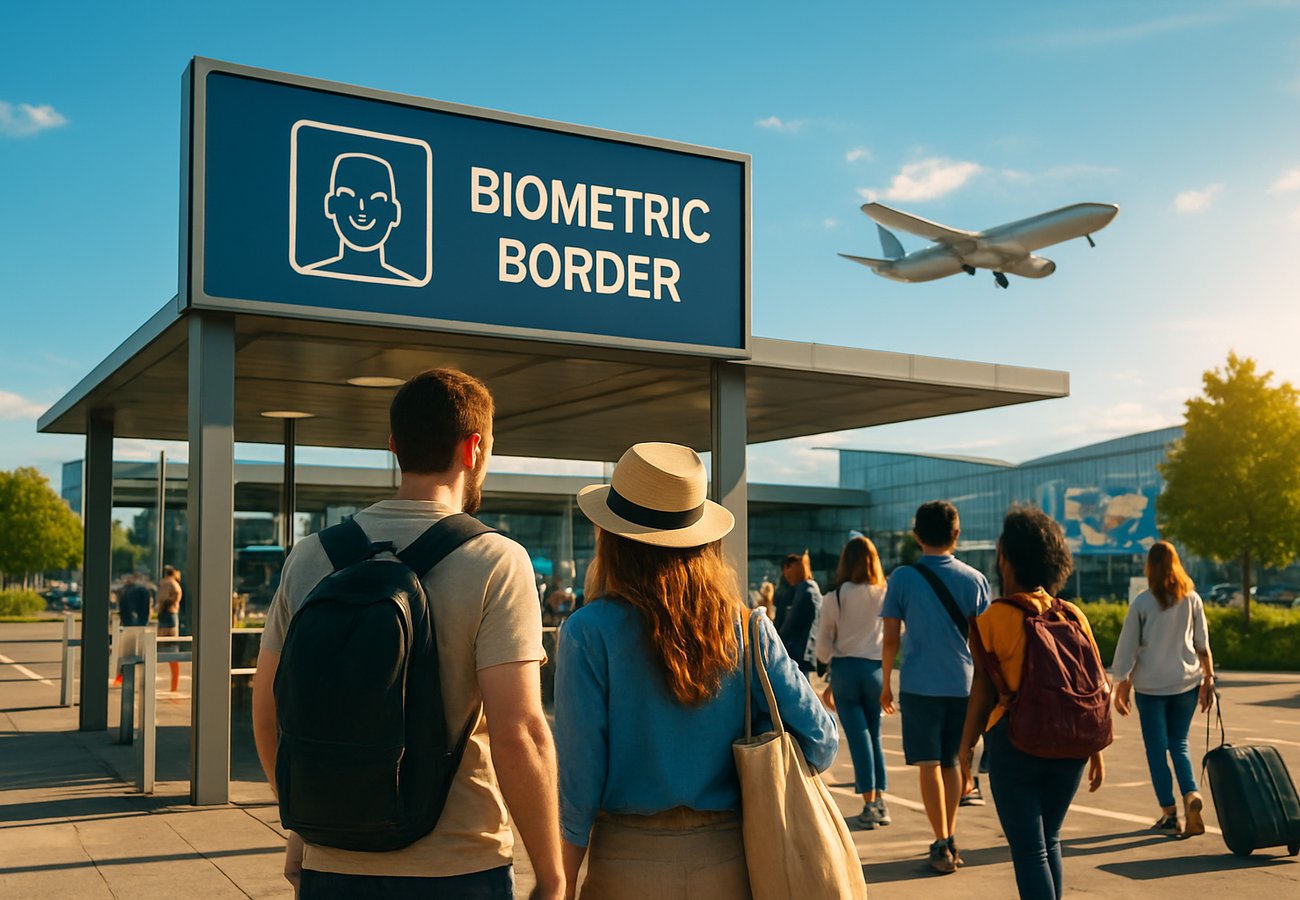
Image generated by AI
Millions of international travellers face a fundamental shift in how they cross European and global borders in 2026—tighter biometric checks, stricter stay enforcement, and rising visa costs are remaking travel as we know it. Norway, France, Germany, the UK, the US, and Thailand are leading a coordinated global tightening of visa rules, digital entry systems, and border security that will impact tourists, students, and workers worldwide.
What Triggered the Change
The European Commission has mandated the Entry/Exit System (EES) across all Schengen Area countries, replacing manual passport stamping with automated biometric tracking. This shift reflects a broader global trend: countries are moving from paper-based immigration control to real-time, data-driven border management. The system records fingerprints and facial images for every non-EU traveller, enabling instant detection of overstays and irregular travel patterns.
Norway is operationalizing the EES across its borders, including Oslo Airport, ensuring uniform enforcement of the 90/180-day rule across the northern Schengen frontier. This marks a move towards secure, technology-led mobility systems where overstays are detected automatically and penalties applied instantly. The shift is not isolated to Europe—the US, Thailand, and other nations are simultaneously tightening visa requirements, increasing application fees, and deploying biometric systems, signalling a coordinated global hardening of immigration controls.
Global Impact at a Glance
| Region | Key Change | Processing Impact | Cost Impact |
|---|---|---|---|
| Schengen Area (Norway, France, Germany) | EES biometric enrolment mandatory | 5–10 minutes per traveller; several minutes per passenger during peak hours for first-time biometric enrolment | Visa fees stable; processing delays add indirect costs |
| UK | Visa fee increases effective April 2026 | Standard processing times maintained | Visitor visas, student visas, and healthcare surcharges all increased significantly |
| US | Visa backlog continues; limited processing progress | Employment-based categories face extended wait times | Application fees remain high; backlogs delay travel plans |
| Thailand | Stricter entry documentation and biometric checks | Additional screening at major airports | Visa-on-arrival fees increased; processing delays expected |
Paris Charles de Gaulle Airport, Frankfurt Airport, and Munich Airport are installing automated e-gates and biometric kiosks to manage increased processing demands. Initial delays of 5–10 minutes per traveller have been observed during early EES implementation phases, especially during peak travel periods. However, authorities expect improved efficiency over time as repeat travellers benefit from stored biometric data and faster automated clearance.
What Travelers Get
- Real-time overstay detection: The 90/180-day rule is now enforced automatically across Schengen countries; even a one-day overstay is recorded and may result in penalties or future visa restrictions.
- Biometric data collection: First-time visitors must provide fingerprints and facial images at entry; this data is stored and enables faster clearance on repeat visits.
- Higher visa costs: UK visa fees have risen across visitor, student, and skilled worker categories; US visa application fees remain elevated; Thailand visa-on-arrival fees have increased.
- Processing delays at major airports: Expect 5–10 minutes per traveller during early EES implementation; several minutes per passenger during peak hours for first-time biometric enrolment.
- Automated enforcement: Manual passport stamps are eliminated; digital records ensure accurate tracking and instant detection of non-compliance.
What This Means for Travelers
Plan ahead and arrive at airports earlier than usual—biometric enrolment for first-time visitors will add processing time, especially during peak travel periods. Check your passport expiration date and visa eligibility well in advance; the 90/180-day rule is now enforced in real-time across Schengen countries, and overstays carry automatic penalties. Budget for higher visa costs, particularly if travelling to the UK or applying for US visas. If you are a repeat traveller to Schengen countries, your subsequent visits will be faster due to stored biometric data. Verify all entry requirements directly with official sources—the European Commission's EES information portal and IATA Border Management recommendations provide authoritative guidance on current rules and processing times.
FAQ: Schengen Visa Changes 2026
Q: Will the Entry/Exit System (EES) delay my travel? A: Yes, initially. First-time visitors will experience 5–10 minutes per traveller in processing delays during early implementation, with several minutes per passenger during peak hours for biometric enrolment. Repeat travellers will benefit from faster automated clearance using stored biometric data.
Q: What happens if I overstay the 90/180-day rule? A: The EES detects overstays automatically. Even a one-day overstay is recorded digitally and may result in penalties, visa restrictions, or future entry denials across all Schengen countries.
Q: Are visa fees increasing everywhere? A: Visa fees are rising in the UK (visitor, student, and worker visas) and Thailand (visa-on-arrival). US visa fees remain high; Schengen visa fees are stable, but processing delays add indirect costs through longer airport wait times.
Related Travel Guides
Disclaimer
This article is for informational and educational purposes only. It does not constitute legal, financial, or professional advice. While we strive to provide accurate and up-to-date information, travel policies, regulations, and conditions change rapidly. Always verify information with official sources before making travel decisions. Nomad Lawyer makes no representations about the accuracy, reliability, completeness, or suitability of the information provided. Readers should consult qualified professionals for advice specific to their circumstances. The views expressed in this article are those of the author and do not necessarily reflect the views of Nomad Lawyer.
Kunal K Choudhary
Co-Founder & Contributor
A passionate traveller and tech enthusiast. Kunal contributes to the vision and growth of Nomad Lawyer, bringing fresh perspectives and driving the community forward.
Learn more about our team →