
Virginia Tourism Targets Indian Market with Multi-Experience USA Itineraries in 2026
Virginia Tourism is expanding its outreach to Indian travelers by bundling nature, history, and coastal experiences into flexible, multi-layered USA itineraries.

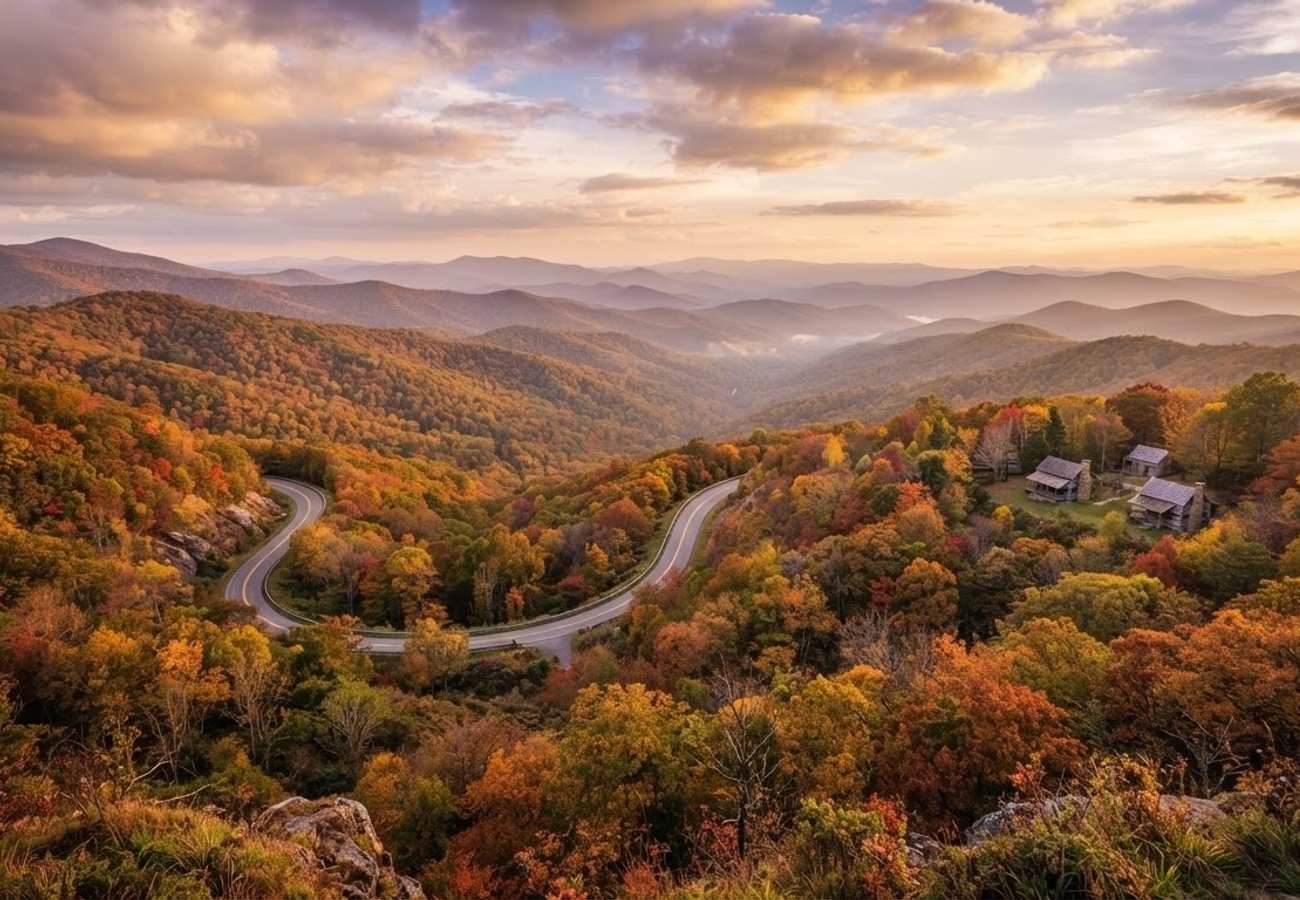
Image generated by AI
Virginia Tourism is intensifying its strategy to capture the surging Indian outbound market, positioning the mid-Atlantic state as a high-value alternative to traditional single-city USA breaks.
The shift comes as industry data identifies India as one of the fastest-growing outbound travel markets globally, with projections suggesting the segment will reach tens of billions of dollars in value over the next decade. To capitalize on this, Virginia is pivoting away from generic promotion toward "multi-layered" itineraries that combine nature, colonial history, viticulture, and coastal experiences.
Strategic Shift Toward Multi-Experience Travel
Indian long-haul travelers are increasingly rejecting the "gateway city" model—where trips are limited to hubs like New York or Atlanta—in favor of immersive, multi-destination journeys. Government and industry reports indicate a rising preference for itineraries that blend scenic drives, national parks, and gastronomy with cultural heritage.
Virginia Tourism is responding by integrating the state into broader USA packages, specifically positioning it as a natural extension of Washington, D.C. This approach leverages the "Virginia is for Lovers" and "Vacation Starts with V" branding to draw visitors into lesser-known regions, thereby increasing overnight visitation and average trip length.
To support this, grant-backed marketing programs are enabling local attractions to align their campaigns with statewide branding, specifically targeting high-spending Indian demographics who typically favor longer stays and multi-generational travel.
Regional Route Specifications and Experience Hubs
The state's value proposition relies on the ability to transition between diverse environments within a few hours. The following table outlines the primary experience hubs being promoted to the Indian market:
| Experience Hub | Primary Attractions | Transit Mode | Target Segment |
|---|---|---|---|
| Blue Ridge Mountains | Blue Ridge Parkway, hiking, vistas | Self-Drive / Guided | Nature Seekers & Families |
| Historic Triangle | Colonial streetscapes, Revolutionary sites | Guided Tour / Rail | Heritage & Educational |
| Chesapeake Bay | Coastal resorts, waterfront communities | Self-Drive / Ferry | Relaxation & Luxury |
| Virginia Wine Country | Vineyards, farm-to-table dining | Private Chauffeur | Couples & Wellness |
| Urban Centers | Shopping, dining, D.C. proximity | Rail / Interstate | Multi-generational Groups |
Traveler Logistics Guide: Navigating Virginia from India
From a ground-level perspective, the most efficient way to integrate Virginia into a US itinerary is to use Washington, D.C. as the primary entry point. Since there are currently no nonstop flights from India to Virginia, logistics must be planned around major East Coast hubs.
Booking Connections and Transit The most seamless transition involves flying into Dulles International Airport (IAD). From here, Virginia is immediately accessible. For those avoiding rental cars, the rail links provided by Amtrak offer a reliable connection to historic hubs. However, for the Blue Ridge Parkway and wine trails, a private vehicle is non-negotiable.
Optimal Layover and Pace Given the preference for longer stays among Indian travelers, a 10-to-14-day itinerary is recommended. A balanced split would be:
- 3 Days: Washington, D.C. (Urban/Political)
- 4 Days: Central Virginia (Wine Country and Historic sites)
- 3 Days: Western Virginia (Blue Ridge Mountains/Nature)
- 2 Days: Coastal Virginia (Chesapeake Bay)
Digital Transit and Entry Policies Travelers should ensure all visa documentation is updated well in advance. While the US does not have a system identical to India's Digi Yatra, utilizing the Mobile Passport Control (MPC) app can significantly reduce wait times at major airports like IAD.
Infrastructure and Regional Impact
This strategic push is designed to decentralize tourism revenue. By moving Indian travelers away from the saturated hubs of the Northeast Corridor, Virginia aims to boost the economy of its rural and coastal regions. The focus on "soft adventure"—activities that are physically accessible for seniors and children—makes the state a competitive alternative to the more rugged landscapes of the American West.
Furthermore, the integration of luxury boutique accommodations and spa stays caters to the growing upper-middle-class Indian segment, which prioritizes "Instagram-friendly" landscapes without sacrificing comfort or accessibility.
Virginia is positioning itself not just as a destination, but as the essential connective tissue of an East Coast American odyssey.
Related Travel Guides
Disclaimer
This article is for informational and educational purposes only. It does not constitute legal, financial, or professional advice. While we strive to provide accurate and up-to-date information, travel policies, regulations, and conditions change rapidly. Always verify information with official sources before making travel decisions. Nomad Lawyer makes no representations about the accuracy, reliability, completeness, or suitability of the information provided. Readers should consult qualified professionals for advice specific to their circumstances. The views expressed in this article are those of the author and do not necessarily reflect the views of Nomad Lawyer.
Preeti Gunjan
Contributor & Community Manager
A passionate traveller and community builder. Preeti helps grow the Nomad Lawyer community, fostering engagement and bringing the reader experience to life.
Learn more about our team →