
Viral Social Media Trends Drive 43% of Travel Bookings According to 2026 TUI Musement Data
New research reveals social media now rivals personal recommendations in travel planning, with 43% of travelers booking trips based on viral content and 39% visiting sites specifically for social media photography.

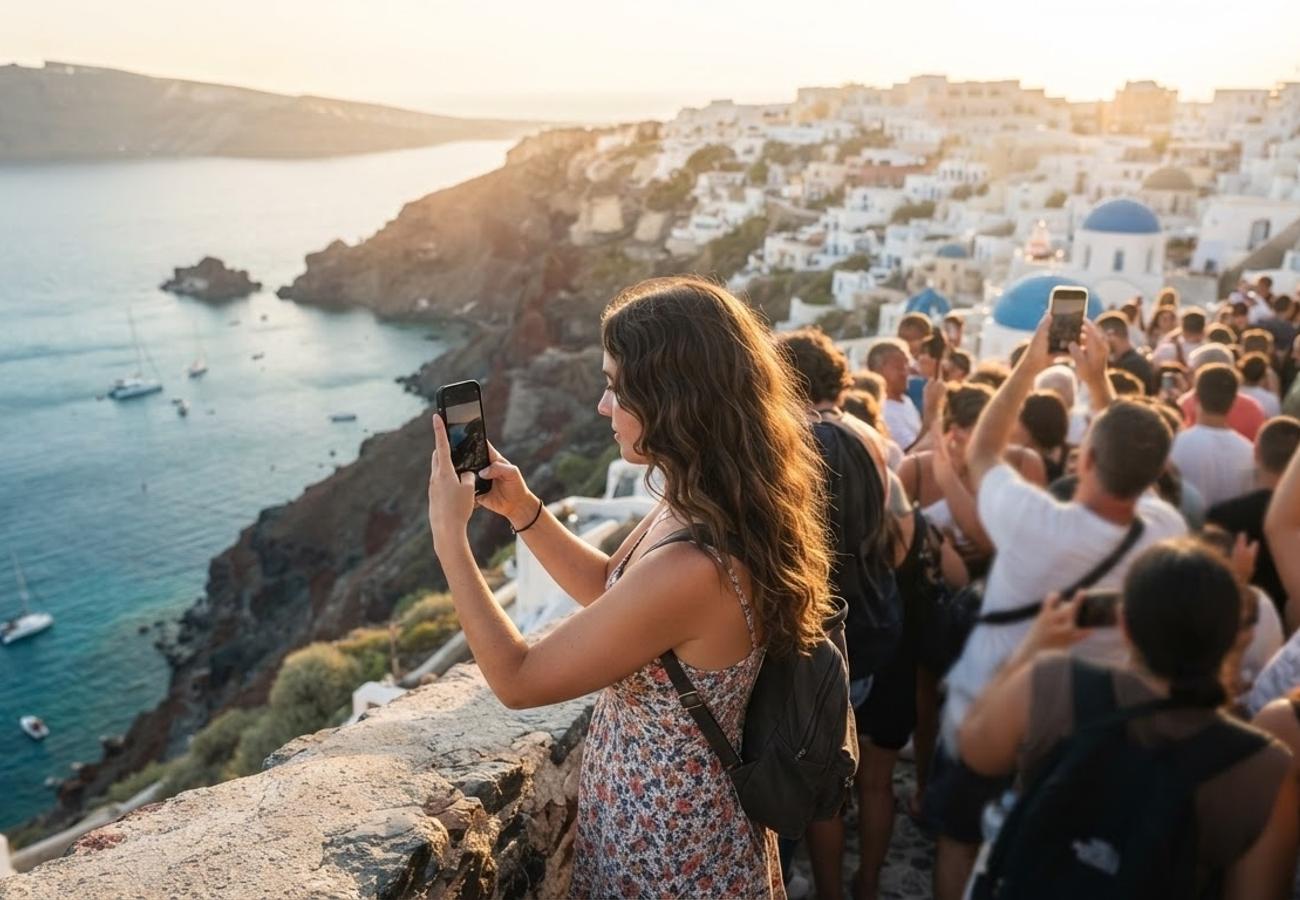
Image generated by AI
Digital platforms have officially reached parity with personal recommendations as the primary drivers of global tourism, with short-form video content now dictating destination selection and booking behavior.
Recent data from TUI Musement indicates a fundamental shift in the traveler's journey. The traditional reliance on travel agents and family advice has been superseded by a "social-first" discovery model. This transition is most aggressive among younger demographics, where algorithmic discovery on platforms like TikTok now outweighs traditional word-of-mouth.
The impact is not merely inspirational; it is transactional. A significant portion of the global traveling public is now converting viral views into confirmed bookings, creating a volatile demand cycle for destinations that "trend" online.
The Digital Influence Matrix: Key Statistics
The shift toward visual-centric travel planning is evidenced by several critical data points:
- Conversion Rates: 43% of all travelers have booked a trip or specific activity after encountering a viral post.
- Demographic Spikes: Booking conversion via viral content hits 52% for Millennials and 50% for Gen Z.
- The "Photo-Op" Motivation: 39% of travelers admit to visiting an attraction primarily to capture content for social media.
- Discovery Sources: Search engines (42%) and personal recommendations (41%) are now nearly equaled by social media influence.
- Influencer Impact: 43% of travelers follow influencers to decide their itinerary, and 27% have changed their planned destination based on influencer advice.
- Instagrammability: 37% of travelers prioritize "Instagram-famous" locations over lesser-known, undiscovered sites.
Consumer Behavior by Generation
The data highlights a stark divide in how different age groups utilize digital tools for travel. For Gen Z, the discovery process is almost entirely visual.
| Influence Source | Gen Z Preference | General Traveler Preference |
|---|---|---|
| TikTok Inspiration | 48% | Not Specified |
| Friends & Family | 43% | 41% |
| Search Engines (Google) | Not Specified | 42% |
| Social Media Pressure | 45% | 37% |
The Psychology of the "Perfect Trip"
Beyond destination choice, social media is altering the emotional experience of travel. The data suggests a growing tension between authentic exploration and digital performance.
Approximately 73% of travelers share their journeys online, but this comes with a psychological cost. 37% of all respondents—and 45% of Gen Z—report feeling pressure to make their travels appear exciting to their followers. This "performance anxiety" has even entered the realm of social compatibility, with 18% of travelers citing an obsession with photography as a negative trait when choosing a travel companion.
Why This Matters: Industry Analysis
From a logistical and economic perspective, this shift creates a "high-volatility" tourism market. Historically, destinations grew organically through reputation. Now, a 30-second clip can trigger a massive, unplanned influx of visitors to a location that may lack the infrastructure to support them.
For travel operators and local governments, this means:
- Infrastructure Strain: "Viral spikes" can lead to sudden over-tourism at specific coordinates (the "Instagram spot") while nearby attractions remain empty.
- Marketing Pivot: Traditional brochures are obsolete. The primary marketing asset for any destination is now the user-generated content (UGC) created by its visitors.
- The Authenticity Gap: There is a growing risk of "expectation failure." When travelers visit a site specifically for a filtered photo, the actual physical experience often fails to meet the digitally curated expectation, potentially damaging the long-term brand of the destination.
Forward Outlook
The industry is moving toward a hybrid model of "Inspiration vs. Validation." While TikTok and Instagram will continue to drive the initial "dreaming" phase of travel, the "validation" phase is shifting toward real-time, unfiltered content.
We expect to see more destinations implementing "digital management" strategies—limiting access to viral spots to preserve authenticity or using AI to redirect social-media-driven crowds to under-visited areas. The long-term winners in the tourism sector will be those who can convert a viral moment into a sustainable, high-quality physical experience.
The era of the guidebook is over; the era of the algorithm has arrived.
Related Travel Guides
Disclaimer
This article is for informational and educational purposes only. It does not constitute legal, financial, or professional advice. While we strive to provide accurate and up-to-date information, travel policies, regulations, and conditions change rapidly. Always verify information with official sources before making travel decisions. Nomad Lawyer makes no representations about the accuracy, reliability, completeness, or suitability of the information provided. Readers should consult qualified professionals for advice specific to their circumstances. The views expressed in this article are those of the author and do not necessarily reflect the views of Nomad Lawyer.
Kunal K Choudhary
Co-Founder & Contributor
A passionate traveller and tech enthusiast. Kunal contributes to the vision and growth of Nomad Lawyer, bringing fresh perspectives and driving the community forward.
Learn more about our team →