
Vietnam Transforms Rail Tourism: North-South Railway and Reunification Express Growth 2026
Vietnam is pivoting from transit-based rail to experience-based tourism, leveraging the 1,726-km North-South Railway to capture the growing global slow travel market.

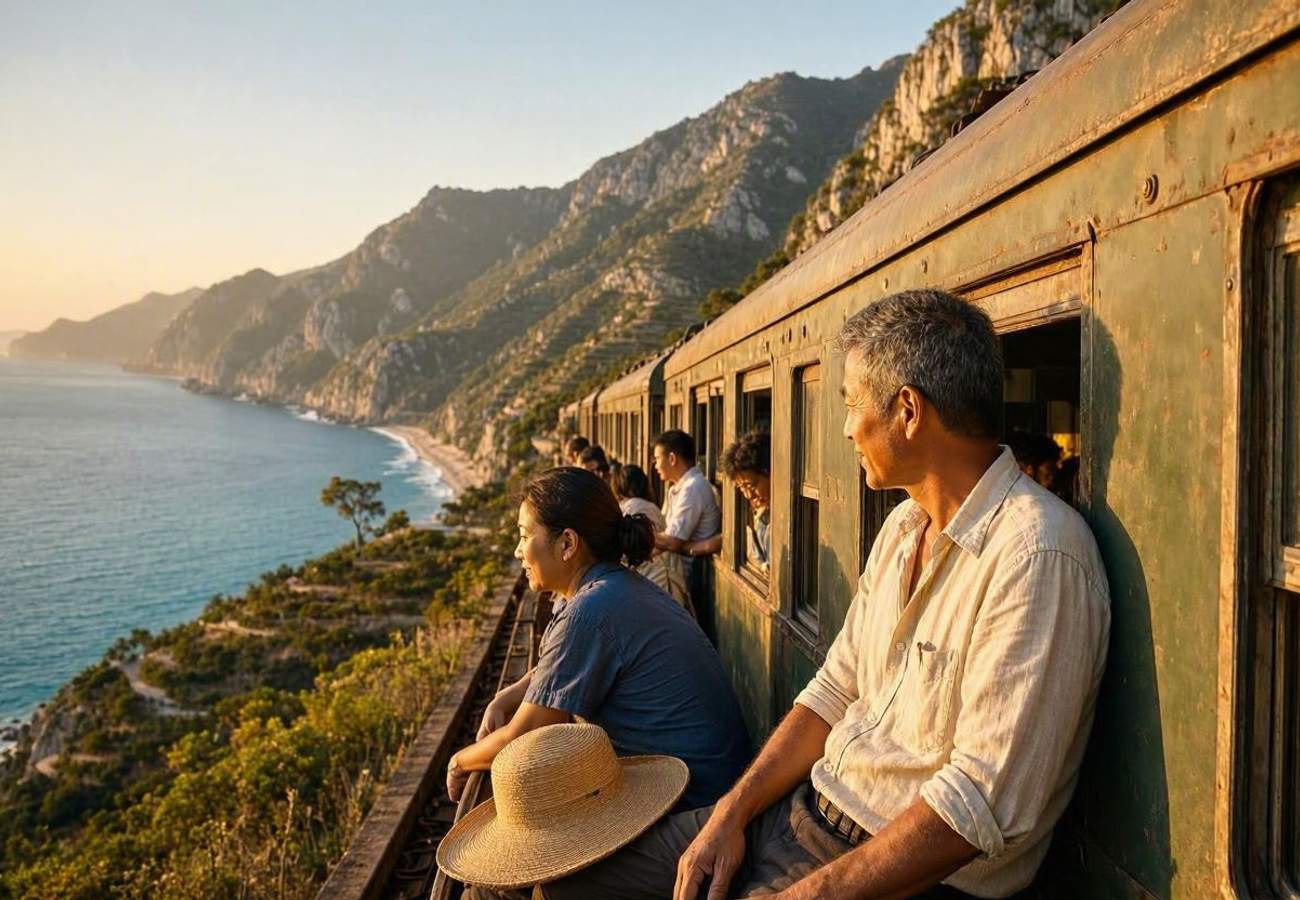
Image generated by AI
The shift in Vietnamese tourism is evident in the transition of the 1,726-kilometre North-South Railway from a mere transit corridor to a primary tourist attraction. While rail was historically a secondary option to domestic aviation for international arrivals, 2026 data indicates a structural pivot toward "slow travel," where the journey itself is marketed as the destination.
The Rail Expansion in Numbers
The current movement in Vietnam's transport sector is characterized by the commodification of scenic routes. The backbone of this strategy is the North-South Railway, spanning 1,726 kilometres and connecting the political capital of Hanoi with the economic hub of Ho Chi Minh City. This route, famously known as the Reunification Express, is no longer competing solely on speed but on experiential value.
Key data points highlighting the current rail infrastructure usage include:
- The North-South Corridor: A 1,726-kilometre stretch that serves as the primary artery for coastal and inland exploration.
- The Hai Van Pass Segment: A high-demand route between Da Nang and Hue that integrates mountain and maritime views.
- The Northern Gateway: The Hanoi-Lao Cai overnight service, which remains the primary rail link for tourists accessing the Sapa highlands.
- The Southern Extension: The Ho Chi Minh City-Phan Thiet line, specifically designed to funnel urban tourists toward the Mui Ne sand dunes.
- Luxury Tiering: The introduction of an eight-day heritage journey between Hanoi and Ho Chi Minh City, targeting the high-net-worth traveler segment.
This diversification of rail products allows Vietnam to capture different market segments—from budget backpackers using sleeper services to luxury travelers opting for curated heritage tours. According to the World Tourism Organization (UNWTO), the global trend toward sustainable and slow travel has increased the viability of long-distance rail over short-haul flights.
Comparative Context: Transit vs. Experience
Historically, the Vietnamese rail network functioned as a utility. In previous years, the primary metric for success was passenger throughput and connectivity. However, the 2026 strategy focuses on "destination rail," where the train is the product.
The following table compares the traditional rail model against the emerging 2026 tourism-centric model:
| Metric | Traditional Rail Model (Pre-2020s) | Experience-Driven Model (2026) |
|---|---|---|
| Primary Goal | A-to-B Transit | Journey-as-Destination |
| Key Route Focus | Efficiency between major cities | Scenic vistas (e.g., Hai Van Pass) |
| Service Tiers | Standard & Sleeper | Heritage & Luxury Curated Tours |
| Market Segment | Local commuters / Budget travelers | Global "Slow Travel" enthusiasts |
| Economic Impact | Ticket revenue | Regional spending in small rail towns |
| Trip Duration | Minimized travel time | Extended (e.g., 8-day heritage trips) |
This shift aligns with broader regional trends in Southeast Asia, where countries are leveraging IATA data to balance air traffic with sustainable ground transport. By promoting the Da Nang-Hue and Hanoi-Ninh Binh routes, Vietnam is successfully decentralizing tourism away from overcrowded city centers and into the rural interior.
What This Means for Travelers
The transformation of the rail network requires a change in how international visitors plan their itineraries. The data suggests that the "express" nature of the Reunification Express is now a misnomer; it is a slow-burn exploration of the coastline.
Booking and Planning Advice:
- Prioritize the Hai Van Pass: If your itinerary is limited, the segment between Hue and Da Nang offers the highest "view-per-kilometer" ratio. This should be a non-negotiable addition to any central Vietnam trip.
- Leverage Overnight Sleeper Services: For those heading to Sapa via the Hanoi-Lao Cai line, booking sleeper berths is essential for time management, effectively combining transport and accommodation.
- Budget for Luxury: With the introduction of the eight-day heritage journey, travelers should expect a significant price premium over standard tickets. These are curated experiences and should be booked 3-6 months in advance.
- Explore Secondary Hubs: Use the rail network to visit Ninh Binh (via the Hanoi-Ninh Binh route) to access the Trang An Scenic Landscape Complex, avoiding the congestion of road travel.
Forward Projection: The Trajectory of Vietnamese Rail
Based on current trajectories, Vietnam is likely to further integrate digital tourism solutions to streamline the rail experience. We can expect a move toward integrated "Rail + Stay" packages, where ticket purchases automatically trigger bookings at boutique hotels in rail-adjacent towns.
The expansion of the Ho Chi Minh City-Phan Thiet route suggests a broader strategy of connecting urban hubs to niche ecological sites (like the Mui Ne dunes). As the luxury rail market matures, we will likely see a proliferation of "boutique carriages" that offer dining and cultural workshops on board, moving the experience closer to the European Orient Express model.
The long-term goal is clear: reduce the carbon footprint of domestic tourism while increasing the average length of stay per visitor. By slowing down the traveler, Vietnam increases the per-capita spend in regional communities, creating a more sustainable economic model for the tourism industry.
FAQ: Vietnam Rail Tourism 2026
Will train ticket prices increase with the new luxury services? Standard fares typically remain stable, but the new luxury heritage journeys operate on a premium pricing model. Travelers seeking budget options should continue using the standard sleeper and seat classes.
Is it better to fly or take the train between Hanoi and Ho Chi Minh City? For speed, flying is superior. However, for those seeking cultural immersion and scenic views of the coastline, the 1,726-km rail journey is now marketed as a primary travel experience.
Which route is the most scenic for photography? The Da Nang-Hue route crossing the Hai Van Pass is widely considered the most visually stunning, offering views of the East Sea and mountain forests.
How far in advance should I book the Reunification Express? For standard tickets, 2-4 weeks is usually sufficient. For the new luxury eight-day heritage tours, booking 3-6 months in advance is highly recommended due to limited capacity.
The tracks of the past are now the luxury corridors of the future.
Related Travel Guides
Disclaimer
This article is for informational and educational purposes only. It does not constitute legal, financial, or professional advice. While we strive to provide accurate and up-to-date information, travel policies, regulations, and conditions change rapidly. Always verify information with official sources before making travel decisions. Nomad Lawyer makes no representations about the accuracy, reliability, completeness, or suitability of the information provided. Readers should consult qualified professionals for advice specific to their circumstances. The views expressed in this article are those of the author and do not necessarily reflect the views of Nomad Lawyer.
Kunal K Choudhary
Co-Founder & Contributor
A passionate traveller and tech enthusiast. Kunal contributes to the vision and growth of Nomad Lawyer, bringing fresh perspectives and driving the community forward.
Learn more about our team →