
Vietnam Tourism Showcases Hoi An’s Most Beautiful Instagrammable Locations For Holidaymakers
Vietnam Tourism Showcases Hoi An’s Most Beautiful Instagrammable Locations For Holidaymakers

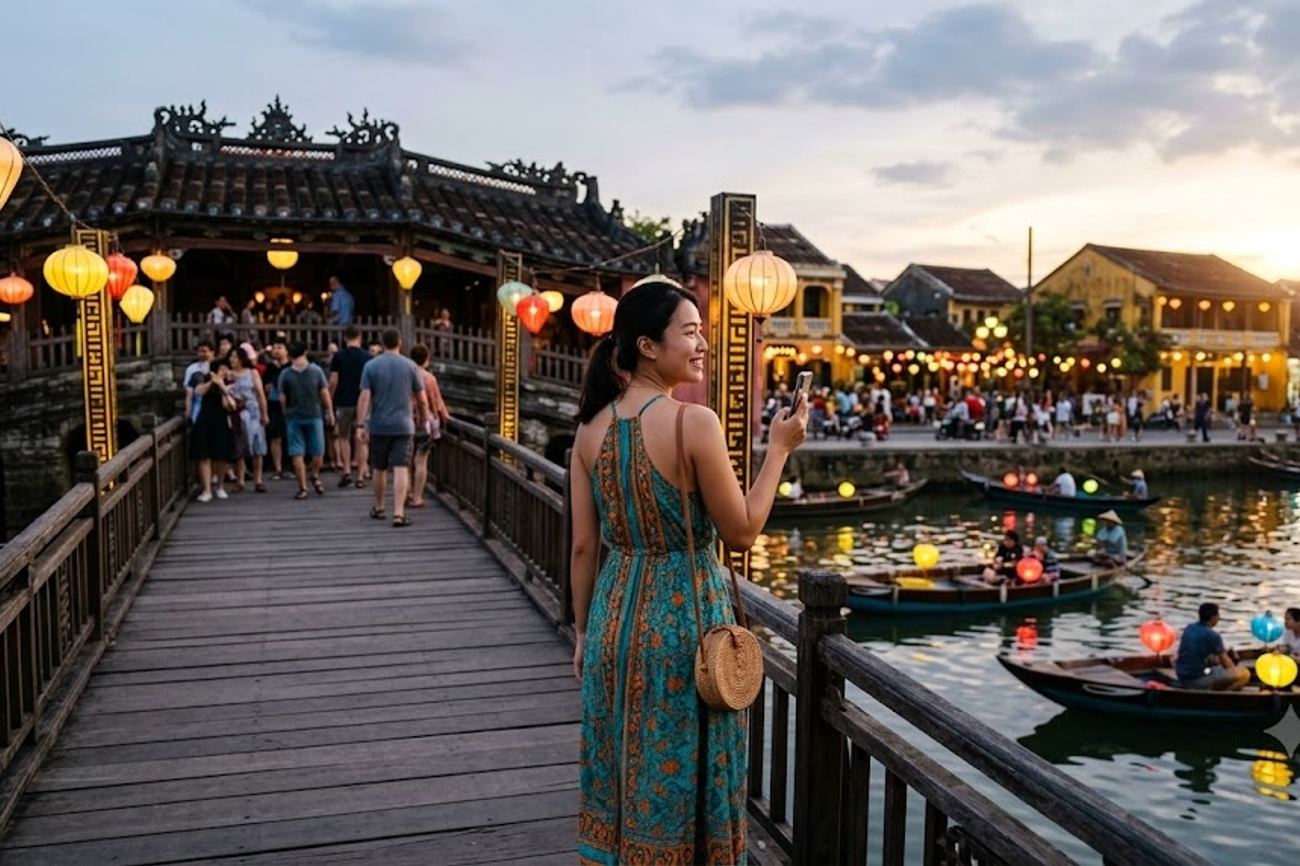
Image generated by AI
5 key photographic zones define the visual economy of Hoi An, transforming this UNESCO-listed Vietnamese enclave into one of the most documented destinations in Asia. The town's transition from a historic trading port to a global magnet for "visual travel" is not accidental; it is the result of a deliberate preservation of its golden-age architecture and the strategic commercialization of its nocturnal atmosphere. For the modern nomad, Hoi An represents a case study in how heritage preservation and the "Instagrammability" of a location drive local tourism revenue and dictate visitor flow.
The Architecture of a Trading Legacy
The visual appeal of Hoi An is rooted in its history as a multi-ethnic trading hub. The town's identity was forged by the intersection of Vietnamese, Chinese, and Japanese influences, creating a hybrid architectural style that is now protected under UNESCO guidelines. The dominance of yellow-washed walls and narrow corridors serves as a natural studio for travelers, reducing the need for professional-grade equipment to achieve high-quality imagery.
This heritage is most concentrated in the Ancient Town, where the urban layout encourages pedestrian-only exploration. The logistical ease of walking between merchant houses and traditional shops allows for a high density of tourist activity within a small geographic footprint. This concentration of assets creates a "cluster effect," where the proximity of diverse visual stimuli—from colorful walls to riverside sceneries—maximizes the time a traveler spends within the commercial zone.
Strategic Landmarks and Visual Assets
Hoi An’s tourism model relies on specific "anchor" locations that serve as the primary drivers for visitor itineraries. These sites are not merely historical markers but are functional assets in the town's tourism economy.
| Landmark | Primary Appeal | Optimal Timing | Core Visitor Benefit |
|---|---|---|---|
| Japanese Covered Bridge | Historic Hybrid Architecture | Early Morning / Evening | Heritage storytelling & iconic imagery |
| Faifo Coffee Rooftop | Panoramic Urban Perspectives | Daylight hours | Aerial views of traditional rooftops |
| Lantern Streets | Nocturnal Atmospheric Lighting | After Sunset | Cultural immersion & night photography |
| Thu Bon River | Natural & Maritime Scenery | Sunset | Relaxation & riverside observations |
| Ancient Town Center | Merchant Houses & Yellow Walls | Early Morning | Pedestrian access to heritage sites |
The Japanese Covered Bridge, in particular, acts as a physical manifestation of the town's former role as a bridge between East Asian cultures. While it provides a high-value photographic opportunity, its primary function in the modern era is as a gateway to the deeper history of the trading port.
Expert Analysis: The Commercialization of the "Slow-Paced" Experience
For travelers booking a trip to Central Vietnam, the direct consequence of Hoi An's popularity is a highly curated "slow-paced" experience that is, in reality, a sophisticated tourism product. The rise of locations like Faifo Coffee illustrates a shift in how travelers consume heritage. By moving the vantage point from the street to the rooftop, the town has created a new layer of commercial utility—combining the need for refreshment (café culture) with the desire for a unique perspective (panoramic views).
The pricing pressure created by this demand often manifests in the "experience economy." When a location becomes a primary photographic destination, the value shifts from the object itself to the access to the object. In Hoi An, this is seen in the transition from simple sightseeing to "photography holidays." The reliance on lanterns after sunset is a masterclass in atmospheric engineering; by transforming the town into a glowing nocturnal gallery, the local economy extends the "spendable hours" of a tourist. Instead of returning to hotels at dusk, visitors are incentivized to remain in the streets, visiting markets and purchasing handmade crafts.
Furthermore, the integration of the Vietnam National Administration of Tourism guidelines ensures that while the town evolves, the visual markers—the yellow paint, the lanterns, the wooden bridges—remain static. This creates a reliable "visual brand" for the city. For the nomad lawyer or business traveler, this demonstrates the power of regulatory consistency in maintaining a destination's market value.
Key Takeaways
- Visual Anchors: The town's economy is driven by five primary zones: the Ancient Town, Japanese Covered Bridge, Faifo Coffee, Lantern Streets, and the Thu Bon River.
- Temporal Planning: To avoid peak crowds and capture the best light on yellow architecture, early morning and late evening are the only viable windows for high-quality photography.
- Economic Shift: Tourism has evolved from historical exploration to "visual consumption," where rooftop cafes and night markets capitalize on the town's aesthetic.
- Logistical Ease: The pedestrian-centric nature of the UNESCO zone allows for high-efficiency sightseeing but requires comfortable footwear and cash for micro-transactions.
- Cultural Preservation: The strict adherence to traditional architecture serves as a hedge against the generic modernization seen in other Southeast Asian hubs.
FAQ: Hoi An Travel 2025
What is the best time of day to photograph Hoi An's yellow buildings? Early morning or late evening provides the softest light, which highlights the traditional yellow hues of the architecture without the harsh shadows or extreme crowds found during midday.
Do I need professional camera gear to capture Hoi An? No. The natural lighting of the lantern streets and the high-contrast colors of the Ancient Town are designed to be visually striking, making them highly compatible with smartphone cameras.
Is the Japanese Covered Bridge accessible to all visitors? Yes, it is a central part of the Hoi An Ancient Town pedestrian zone, though it can become heavily congested during peak tourist seasons and sunset hours.
What should I bring for a photography-focused trip to Hoi An? Comfortable walking shoes are essential for the pedestrian zones. Additionally, carry cash for small purchases at local craft markets and ensure your devices are protected from humidity near the Thu Bon River.
The intersection of heritage and hashtags has turned Hoi An into a living gallery where history is the primary currency.
Tags: Hoi An Ancient Town, Thu Bon River, Vietnam Tourism 2025, Japanese Covered Bridge, UNESCO World Heritage Sites Vietnam, Faifo Coffee
Related Travel Guides
Disclaimer
This article is for informational and educational purposes only. It does not constitute legal, financial, or professional advice. While we strive to provide accurate and up-to-date information, travel policies, regulations, and conditions change rapidly. Always verify information with official sources before making travel decisions. Nomad Lawyer makes no representations about the accuracy, reliability, completeness, or suitability of the information provided. Readers should consult qualified professionals for advice specific to their circumstances. The views expressed in this article are those of the author and do not necessarily reflect the views of Nomad Lawyer.
Raushan Kumar
Founder & Lead Developer
Full-stack developer with 11+ years of experience and a passionate traveller. Raushan built Nomad Lawyer from the ground up with a vision to create the best travel and law experience on the web.
Learn more about our team →