Oman Air Launches Global Travel Sale With Fares From RO 35 And Discounts For Winter Journeys

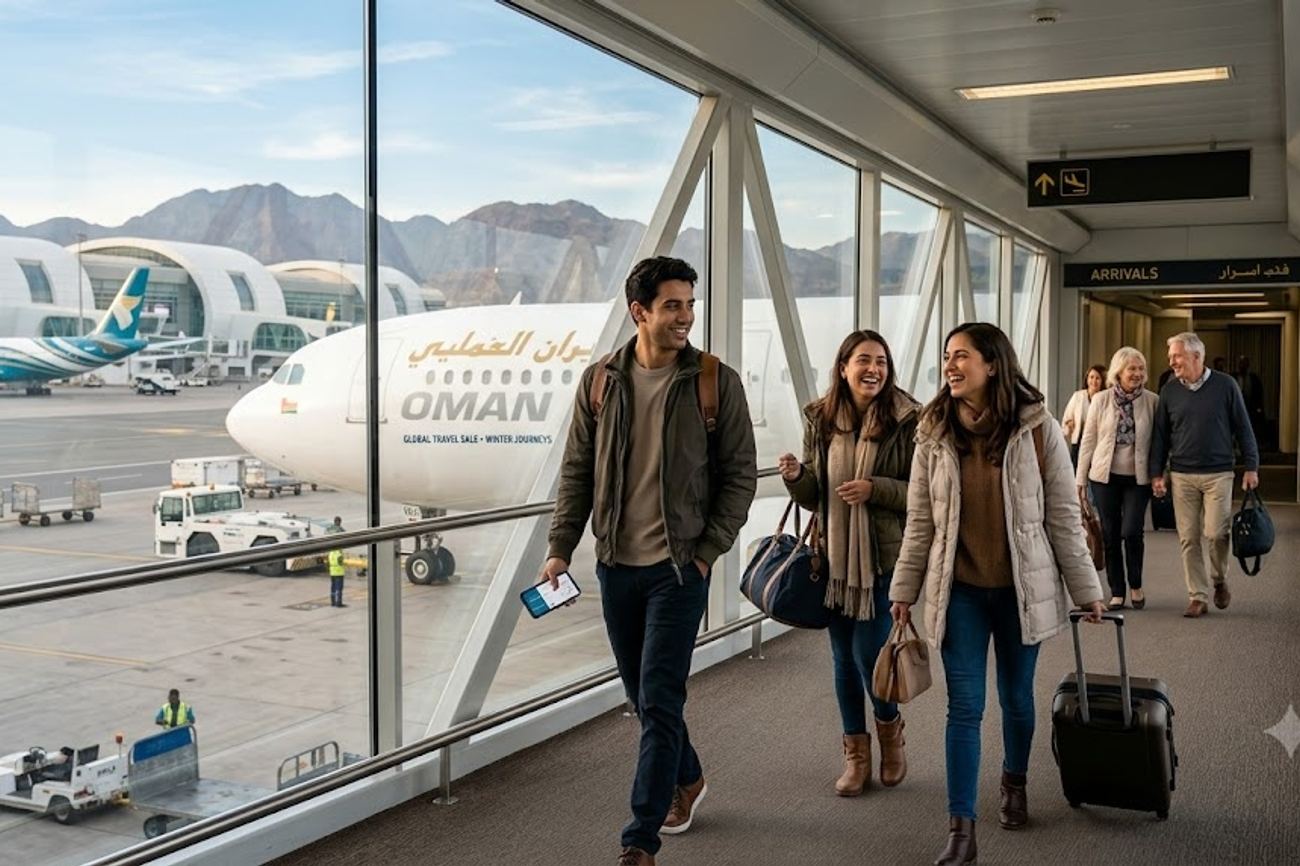
Image generated by AI
You can now fly into the heart of the Arabian Peninsula for as little as RO 35. While most travelers view Oman as a luxury stopover or a high-end desert retreat, this recent pricing shift opens the doors for a different kind of exploration—one that favors the slow-traveler and the culturally curious over the luxury resort circuit.
The Winter Shift in Omani Accessibility
The traditional travel rhythm of the Gulf usually peaks in the cooler months, but the current accessibility shift is changing who visits and how. Oman Air announced a global fare sale on September 21, 2026, which fundamentally lowers the barrier for international entry. By offering tickets starting from RO 35, the airline is targeting a broader demographic for the winter season, specifically those planning trips between November 1, 2026, and March 8, 2027.
This isn't just about a cheap ticket; it is about timing. The booking window is tight, closing on October 1, 2026, which forces a rapid decision-making process for those wanting to experience the Sultanate during its most temperate window. The promotion spans both Economy and Business Class and applies to one-way and return journeys, though it is strictly limited to Oman Air’s own network, excluding interline or codeshare flights.
For the savvy traveler, the real value lies in the bundled extras. The airline is offering up to 50% off additional baggage allowance and up to 10% off preferred seat selection. In a region where shopping for textiles, silver, and frankincense is a primary pastime, that baggage discount is more practical than it first appears.
What Makes Oman Different
Oman is often mistaken for its neighbors, but the experience here is an entirely different frequency. While other Gulf states have leaned into verticality and futuristic glass, Oman has preserved a low-rise, traditional aesthetic. By law, buildings must adhere to traditional architectural styles, meaning you won't find skyscrapers dominating the Muscat skyline.
The geography is the true draw. You have the Al Hajar Mountains, where the "Green Mountain" (Jebel Akhdar) offers terraced gardens and a cool climate that feels more like the Mediterranean than the Middle East. Then there is the Salalah region in the south, which undergoes the Khareef (monsoon) season, turning the desert into a vivid, emerald landscape.
To truly understand the country, one must look at the UNESCO World Heritage sites, such as the ancient forts and towers that dot the coastline and interior. These structures aren't just museums; they are markers of a maritime history that once stretched from Zanzibar to Gujarat. The Omani identity is rooted in this seafaring legacy, which manifests today in the hospitality and openness of the people.
Visitor Insider Tips
If you are taking advantage of these RO 35 fares to visit between November and March, you need to move beyond the standard tourist map.
Timing the Visit The window from November to March is the gold standard. However, the first two weeks of December often see a surge in regional tourism. To avoid the crowds at the Nizwa Fort or the Mutrah Souq, aim for late January. This is when the weather is crisp, and the local markets are less congested.
Local Etiquette and Dress Omanis are exceptionally proud of their heritage and modest. While you don't need to wear traditional dress, covering shoulders and knees is a sign of respect, especially when venturing into the interior villages of the Al Hajar mountains. A simple greeting of "As-salamu alaykum" goes a long way in opening doors to local experiences.
The Art of the Souq When visiting the Mutrah Souq in Muscat, remember that bargaining is an expected social interaction, not a confrontation. Start at about 50% of the asking price and settle somewhere in the middle. Focus on authentic Omani frankincense—the highest grade is "Hojari," which is pale green or white and originates from the Dhofar region.
Oman Air has launched a global travel sale with fares starting from RO 35, offering discounts for winter journeys to various destinations. Passengers can book their tickets on the Oman Air website and take advantage of the promotional fares. The sale is expected to boost tourism in Oman, with travelers able to explore the country's rich culture and history.
Transport Hacks While taxis are available, the only way to see the real Oman is by renting a 4x4. Many of the most stunning vistas, including the depths of the Wadi Shab or the peaks of Jebel Shams, require a vehicle with high clearance. Use the official Oman tourism portal to map out your route, but leave room for spontaneous detours.
Regional Specialties Do not leave without trying Shuwa. This is a celebratory dish where meat is marinated in spices and slow-cooked in an underground sand oven for 24 to 48 hours. It is typically served during Eid, but specialty restaurants in Muscat offer it year-round.
Cultural and Environmental Context
Tourism in Oman is handled with a deliberate, slow-growth philosophy. Unlike the rapid expansion seen elsewhere in the region, the Omani government emphasizes "sustainable luxury" and heritage preservation. This approach ensures that the influx of visitors—facilitated by promotions like the current Oman Air sale—does not erode the traditional way of life in the wilayats (provinces).
However, this growth brings challenges. The fragile ecosystems of the wadis and the mountain plateaus are under increased pressure. There is a growing movement among locals to move away from "insta-tourism"—where visitors crowd a single spot for a photo—toward immersive stays in traditional guesthouses.
The interaction between the international traveler and the local community is generally harmonious because the Omani culture is built on the concept of Karam (generosity). When you visit a village, you will likely be offered Omani coffee (kahwa) flavored with cardamom and dates. Accepting this is not just a polite gesture; it is a participation in a centuries-old social contract of hospitality.
FAQ: Visiting Oman 2026-2027
What is the best time to visit? The period between November and March is ideal. Temperatures are mild, making it possible to hike the mountains and explore the deserts without the oppressive summer heat.
Do I need a visa? Visa requirements vary by nationality. Many travelers can apply for an e-visa through the official government portal or receive one on arrival. Always check the current regulations via the Omani embassy before booking.
How do I get there from major hubs? Oman Air operates direct flights from several global hubs into Muscat International Airport. For those using the current promotion, bookings must be made by October 1, 2026, for travel through March 8, 2027.
Is it safe for solo travelers? Yes, Oman is consistently ranked as one of the safest countries in the world for solo travelers. The local population is welcoming, and crime rates are exceptionally low.
Leave the resorts behind and let the scent of frankincense lead you into the mountains.
Related Travel Guides
This article is for informational purposes. Flight routes, passenger regulations, visa rules, and transit advisories are subject to change by airlines and aviation authorities. Readers are advised to verify schedules and travel documentation with relevant carriers and border agencies before departure.
Related Stories

European Mass Protests Disrupt Travel Across France, Italy, Belgium, and Turkey in 2026

Storm Bruna 2026: Iberia Faces 200mm Rainfall and 6m Swells Triggering Mass Travel Chaos