
Latin America Tourism Boom 2026: Mexico, Brazil, Ecuador Lead Record Growth With 7.8% Spending Surge
Latin America's tourism sector is outpacing global averages with 4.1% GDP growth in 2026. Mexico, Ecuador, and Brazil lead the charge as international visitor spending jumps 7.8%—more than double the world average.

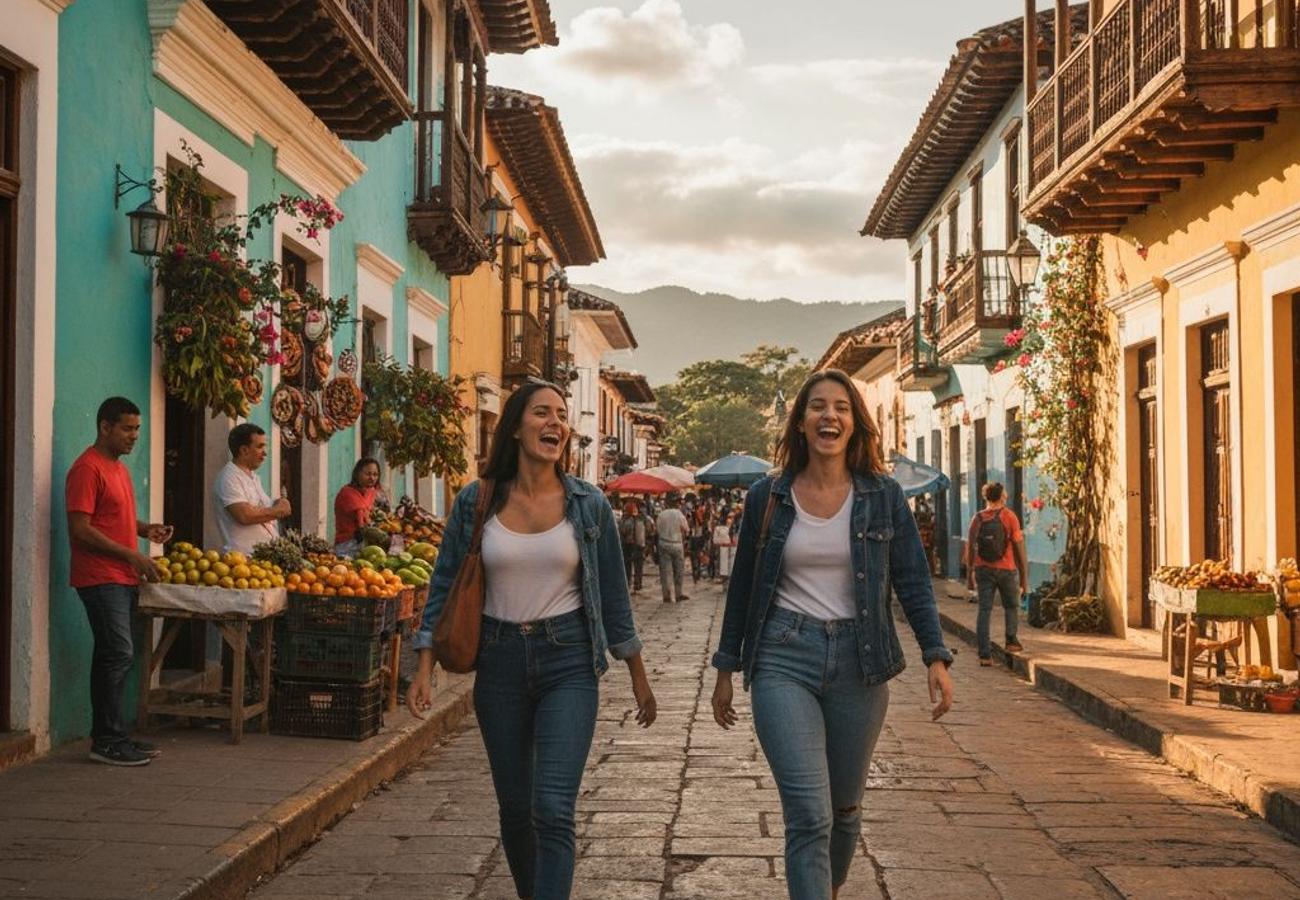
Image generated by AI
The Latin American Tourism Powerhouse Emerges in 2026
Latin America is having a banner year. While global tourism limps along at a 3.2 percent growth rate, the region's combined travel and tourism GDP is accelerating at 4.1 percent — a clear signal that something remarkable is happening south of the border and beyond.
What's more startling? International visitor spending is projected to jump 7.8 percent across the region in 2026, more than double the global average of 3.7 percent. This isn't just volume; it's the amount each traveller is willing to spend that's surging.
I've covered tourism trends for years, and these numbers signal a decisive regional shift. Travellers are voting with their wallets, choosing Latin American destinations over more traditional European and Asian markets at an unprecedented pace.
The Record-Breaking Spending Spree
The surge in foreign visitor expenditure tells a compelling story about traveller behavior in 2026. It's not simply that more people are arriving — they're staying longer, booking premium experiences, and spending more at local restaurants, tour operators, and cultural venues.
This 7.8 percent spending increase is reshaping local economies. Hotels are expanding, restaurants are hiring, and infrastructure projects are accelerating to meet demand. For nomadic professionals and long-term travellers, this translates into both opportunity and caution: more amenities, but also rising costs in previously affordable destinations.
Reddit: "Prices in Mexico and Colombia are definitely climbing, but the tourism infrastructure is actually improving. Worth visiting sooner rather than later." — r/digitalnomad
Which Countries Are Leading?
The growth isn't evenly distributed. Ecuador and Bolivia are the regional superstars, with projected tourism GDP growth of 11.6 percent and 10.3 percent respectively. These countries are benefiting from rising visitor spending and emerging as adventure and cultural tourism hubs.
Panama follows at 8.4 percent, capitalizing on its iconic canal tourism and tropical ecotourism appeal. Guatemala (6.1%) attracts heritage enthusiasts, while Colombia (5.7%) is leveraging its rainforest, urban culture, and Caribbean coastlines to pull in diverse traveller demographics.
Larger economies like Brazil (2.1%) and Argentina (4.9%) maintain steady, established tourism sectors supported by iconic attractions like Rio de Janeiro, Machu Picchu access via Peru, and Buenos Aires' cultural magnetism.
Why Travellers Are Choosing Latin America Now
The geopolitical calculus has shifted. Travellers are increasingly risk-conscious, actively seeking destinations perceived as more stable compared to regions experiencing conflict or economic turbulence. Latin America's relatively calmer geopolitical environment positions it as an attractive alternative to traditional hotspots.
Beyond safety, the region's staggering diversity is a trump card. The Amazon rainforest, Andean mountains, Caribbean beaches, and colonial-era cities create an experience menu that few regions globally can match. Eco-tourism, adventure sports, heritage tours, and cultural immersion — these offerings appeal to experience-driven travellers willing to pay premium prices.
The World Travel & Tourism Council (WTTC) data supports what I'm observing on the ground: travellers are seeking authenticity and are willing to bypass overcrowded European capitals for less-trodden paths through Central and South America.
Infrastructure and Sustainability: The Double Challenge
Rapid tourism growth always brings growing pains. Airports, hotels, and transportation systems are straining under increased demand. Over 70 million international tourists arrived in Latin America in 2023 alone — and those numbers are climbing in 2026.
Countries are now facing a critical decision: scale infrastructure quickly or risk service deterioration. Many destinations are investing strategically in airport connectivity, particularly pursuing direct flights from Europe, North America, and Asia to broaden access and convenience.
Equally pressing is sustainability. Local communities and governments are adopting data-driven approaches to manage tourism flows, protect ecosystems, and preserve cultural heritage. This isn't altruism — it's smart long-term strategy. Destinations that abuse their natural and cultural assets lose their competitive advantage.
The Pan American Health Organization and regional tourism boards are coordinating on sustainable tourism standards to ensure growth doesn't cannibalize the very attractions driving it.
Employment and Economic Ripple Effects
Tourism employs millions across Latin America, directly in hotels, restaurants, and guiding services, and indirectly through artisanal industries and transport sectors. As spending increases, wage stability improves and local multiplier effects amplify economic benefits throughout communities.
This employment uptick is particularly vital in regions where alternative industries are limited. A thriving tourism sector can transform regional economies and provide pathways for youth employment and entrepreneurship.
What's Next: Strategic Planning Through 2027 and Beyond
Regional policymakers aren't resting on 2026's success. The focus now is on sustaining momentum through improved digital tourism platforms, expanded airline connectivity, and enhanced heritage preservation initiatives.
Direct flight expansion is especially critical. More routes from major global hubs directly into Mexico City, São Paulo, Quito, and Cartagena reduce friction for international travellers and democratize access beyond traditional hub-and-spoke models.
Governments are also investing in visitor pathways — improved signage, translation resources, and integrated booking platforms — that smooth the traveller experience and encourage longer stays and higher per-destination spending.
The Takeaway for Travellers
If you've been considering Latin America, 2026 is simultaneously the best and last window before costs escalate further. Infrastructure is improving, safety perception is climbing, and cultural attractions are being actively preserved and enhanced.
The region is no longer a secondary destination choice — it's become a primary draw for global travellers seeking diversity, authenticity, and value. Tourism spending projections confirm what nomadic workers and adventure seekers already know: Latin America is the region to watch.
Latin America isn't just growing—it's arriving as a global tourism heavyweight.
Related Travel Guides
Disclaimer
This article is for informational and educational purposes only. It does not constitute legal, financial, or professional advice. While we strive to provide accurate and up-to-date information, travel policies, regulations, and conditions change rapidly. Always verify information with official sources before making travel decisions. Nomad Lawyer makes no representations about the accuracy, reliability, completeness, or suitability of the information provided. Readers should consult qualified professionals for advice specific to their circumstances. The views expressed in this article are those of the author and do not necessarily reflect the views of Nomad Lawyer.
Raushan Kumar
Founder & Lead Developer
Full-stack developer with 11+ years of experience and a passionate traveller. Raushan built Nomad Lawyer from the ground up with a vision to create the best travel and law experience on the web.
Learn more about our team →