
Vietnam's Sapa Balances Mount Fansipan Infrastructure with Ethnic Heritage Tourism

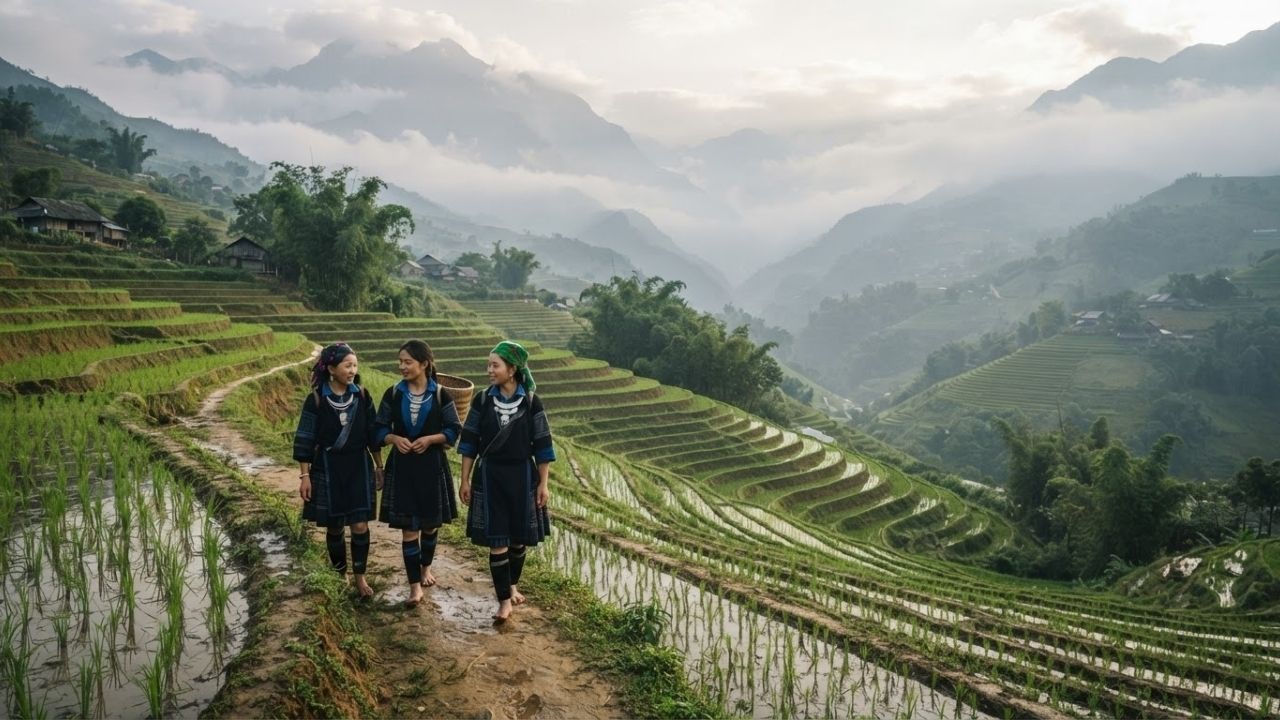
Image generated by AI
Vietnam's highland tourism center of Sapa has introduced updated destination management guidelines, balancing modern cable car infrastructure with the preservation of indigenous H'mong and Dao mountain cultures.
[SAPA, Vietnam, Sept. 1, 2026] — Nestled within the rugged Hoang Lien Son mountain range in northwest Vietnam, the historic town of Sapa has evolved from a 19th-century French colonial hill station into a major global destination for mountain trekking and cultural exploration. Celebrated for its sweeping terraced rice fields, dramatic mountain passes, and shifting alpine microclimates, the region serves as an anthropological home for indigenous ethnic minority communities.
Regional tourism authorities are enacting structured destination management policies designed to mitigate environmental pressure while expanding community-based tourism. By pairing modern transportation systems—including the high-capacity Mount Fansipan cable car—with regulated walking trails through the Muong Hoa Valley and Cat Cat Village, local planners are enhancing accessibility for international visitors without compromising ecological integrity.
Key Landmarks: Mount Fansipan, Muong Hoa Valley, and O Quy Ho Pass
Sapa's geographic layout offers visitors a rich variety of natural and cultural attractions across the Hoang Lien Son highlands:
- Mount Fansipan ("Roof of Indochina"): Standing as the highest peak in Indochina, the summit is accessible via a modern cable car system, allowing travelers to reach panoramic mountain viewpoints in minutes while reducing physical strain on alpine trails.
- Muong Hoa Valley: An expansive agricultural depression featuring multi-tiered terraced rice fields and scenic walking trails connecting traditional agrarian villages.
- Cat Cat Village: Positioned near Sapa town, this preserved H'mong settlement showcases traditional timber architecture, indigo dye workshops, and handwoven textile demonstrations.
- O Quy Ho Pass: One of Vietnam's longest and highest mountain passes, offering panoramic views of deep gorges, cloud formations, and surrounding alpine peaks.
Cultural Heritage: Indigenous H'mong and Dao Communities
Sapa's identity is deeply rooted in the cultural traditions of its native ethnic minority groups, primarily the Black H'mong and Red Dao communities.
Key cultural experiences integrated into Sapa itineraries include:
- Traditional Handicrafts & Textiles: Visitors observe traditional hemp spinning, natural indigo dyeing, and intricate silver embroidery crafted by H'mong artisans.
- Homestay Tourism: Community-based homestays in villages along the Muong Hoa Valley allow travelers to share local meals, learn regional agricultural customs, and directly support indigenous family incomes.
- Local Village Markets: Weekend markets showcase regional produce, traditional attire, and hand-forged tools, providing an authentic glimpse into highland commerce.
Policy Shift: Controlled Growth and Environmental Protection Frameworks
Historical development in Sapa was characterized by spontaneous urban expansion and uncoordinated hotel construction, leading to traffic congestion and environmental strain in the town center.
Under modernized destination policies, local authorities have enacted strict management controls:
- Sustainable Infrastructure Limits: Commercial building permits in sensitive valley zones are regulated under strict height and density restrictions.
- Improved Waste & Sanitation Protocols: Comprehensive waste management networks have been implemented to protect mountain streams and agricultural runoff in Muong Hoa Valley.
- Formalized Community Benefits: Tourism cooperatives ensure local H'mong and Dao guides receive formal accreditation and equitable revenue shares from trekking entry fees.
Comprehensive Data Breakdown: Sapa Attractions and Seasonal Travel Windows
The table below outlines key geographical, cultural, and logistical details for Sapa's top attractions:
| Sapa Attraction / Landmark | Geographic Specialty | Cultural & Environmental Feature | Transport & Access Method |
|---|---|---|---|
| Mount Fansipan | Highest peak in Indochina | Alpine mountain scenery & Buddhist temples | High-capacity scenic cable car & funicular |
| Muong Hoa Valley | Expansive mountain basin | Terraced rice fields & H'mong/Dao villages | Guided trekking trails & scenic road passes |
| Cat Cat Village | Near Sapa town center | Traditional H'mong timber homes & handicrafts | Short downhill walk or local taxi transfer |
| O Quy Ho Pass | Hoang Lien Son Ridge | Winding high-altitude mountain vistas | Motorbike tours, private car or bicycle |
The table below details optimal travel conditions across Sapa's distinct seasonal windows:
| Season Window | Weather Characteristics | Visual & Agricultural Highlights | Trekking & Travel Advice |
|---|---|---|---|
| Spring (March to May) | Clear skies, mild daytime temperatures | Blooming hill flowers & peach blossoms | Ideal for long-distance mountain trekking |
| Autumn (September to November) | Cool, dry weather & crisp mountain air | Golden ripe terraced rice harvest | Peak season for photography & valley walks |
| Summer (June to August) | Heavy monsoon rainfall & fog | Lush green terraced fields & waterfalls | Slippery trails; rain gear required |
Why This Matters: Essential Takeaways for Vietnam Highland Travelers
For international travelers planning an itinerary to Sapa and the Hoang Lien Son mountains, these updated destination insights provide practical planning advice:
- Target Autumn for Golden Rice Terraces: Visit between September and November to witness the world-famous golden harvest across the Muong Hoa Valley terraces under dry, comfortable walking conditions.
- Use Overnight Train or Bus Links from Hanoi: Travel from Hanoi to Lao Cai via overnight sleeper train or express bus via the Hanoi–Lao Cai highway to maximize time in the highlands.
- Book Accredited Ethnic Minority Guides: Hire local H'mong or Red Dao guides for valley treks to ensure authentic cultural interpretation and direct financial support for indigenous communities.
- Prepare for Altitude and Rapid Microclimate Shifts: Weather in Sapa can transition quickly from warm sunshine to dense fog. Carry light rain jackets and thermal layers for high passes like O Quy Ho.
Frequently Asked Questions
Where is Sapa located in Vietnam?
Sapa is a mountain town located in Lao Cai Province in northwestern Vietnam, set within the Hoang Lien Son mountain range near the border with China.
What is the highest mountain peak in Sapa?
Mount Fansipan is the highest peak in Sapa and all of Indochina, reaching an elevation that can be accessed via a modern scenic cable car system.
When is the best time to visit Sapa for rice terrace photography?
The optimal time for rice terrace photography is autumn (September to November), when the terraced fields turn a vibrant golden yellow prior to harvest.
Which ethnic minority groups live in Sapa?
Sapa is home to several indigenous ethnic minority communities, with the Black H'mong and Red Dao being the largest groups inhabiting the surrounding mountain villages.
Related Travel Guides
Disclaimer
This article is for informational and educational purposes only. It does not constitute legal, financial, or professional advice. While we strive to provide accurate and up-to-date information, travel policies, regulations, and conditions change rapidly. Always verify information with official sources before making travel decisions. Nomad Lawyer makes no representations about the accuracy, reliability, completeness, or suitability of the information provided. Readers should consult qualified professionals for advice specific to their circumstances. The views expressed in this article are those of the author and do not necessarily reflect the views of Nomad Lawyer.
Raushan Kumar
Founder & Lead Developer
Full-stack developer with 11+ years of experience and a passionate traveller. Raushan built Nomad Lawyer from the ground up with a vision to create the best travel and law experience on the web.
Learn more about our team →