Vietnam Shifts Focus to High-Value Tourism via Infrastructure Expansion

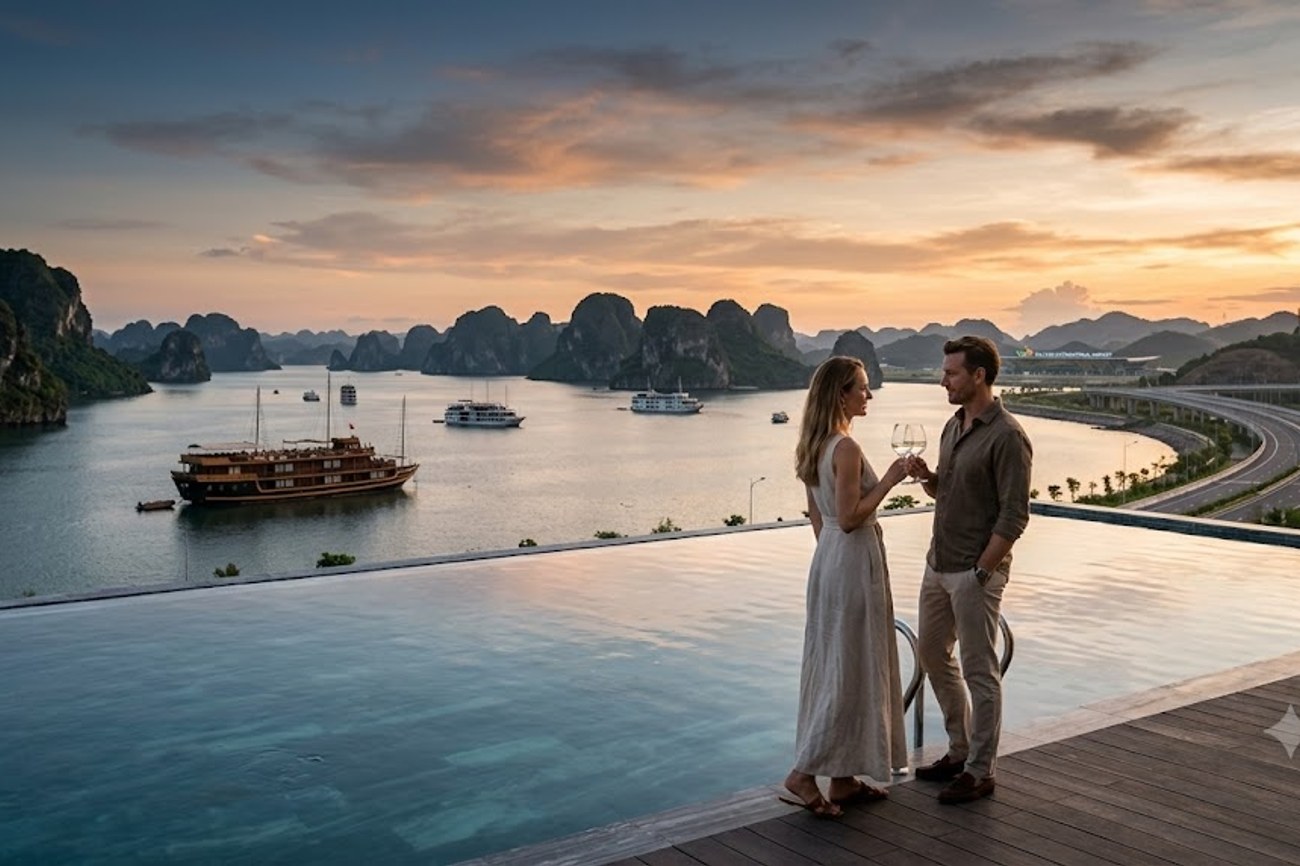
Image generated by AI
The Local Trend Revealed
Vietnam is undergoing a strategic evolution in its tourism model. For decades, the region has been a magnet for budget travelers and backpackers drawn by low costs. However, industry insights from HORECFEX Vietnam (held 20–21 August 2026 in Danang) reveal a decisive shift toward "value over volume."
The goal is no longer just increasing arrival totals, but attracting wealthier international visitors who opt for five-star accommodations and extend their length of stay. This transition is being fueled by a systemic overhaul of the country's transport backbone. The expansion of the expressway network around Ho Chi Minh City and the development of the Long Thanh airport are central to this strategy, aiming to reduce the friction of travel and open up previously inaccessible regions to luxury tourism.
Cultural & Environmental Value
For the visitor, the real impact of this shift is the decentralization of tourism. As expressways and railways connect remote provinces to major hubs, the economic benefit of tourism flows beyond the "golden triangle" of Hanoi, Danang, and Ho Chi Minh City. This allows smaller communities to showcase regional heritage and artisanal crafts to a demographic with higher purchasing power.
However, this growth brings a focus on sustainability. To compete for the global luxury market, there is an increasing emphasis on environmental standards and the professionalization of the hospitality workforce. The transition involves moving from simple service to "experience curation," where the quality of the guest journey—from the moment they land at Long Thanh to their interaction with local guides—determines the destination's competitiveness.
Visitor Insider Tips
- The "Quiet Window": To avoid the congestion mentioned by industry experts, plan visits to secondary cities during the shoulder seasons (March to May) when the weather is mild and the new expressways are less crowded.
- Language Navigation: While English is proficient in major hubs, carry a translation app or a basic Vietnamese phrasebook when venturing into smaller towns where communication gaps remain a challenge for dining and transport.
- Airport Transit: When using the new southern aviation hubs, pre-book private transfers. While airport capacity is increasing, the "last mile" connection to hotels is where the most significant delays typically occur.
- Local Specialty: Seek out "Farm-to-Table" experiences in the highlands; these are currently the gold standard for high-spending travelers looking for authentic, sustainable Vietnamese gastronomy.
Tourism Outlook
The long-term trajectory for Vietnam is one of integrated connectivity. The success of the high-value pivot depends entirely on the "complete arrival experience." If the government can synchronize the opening of Long Thanh airport with efficient ground transport and improved English-language training in rural hospitality sectors, Vietnam will move from being a "budget stopover" to a primary luxury destination in Asia. The focus on feasibility and professional asset management in new hotel projects suggests a move toward a more stable, corporate-standard hospitality environment.
Related Travel Guides
This article is for informational purposes. Flight routes, passenger regulations, visa rules, and transit advisories are subject to change by airlines and aviation authorities. Readers are advised to verify schedules and travel documentation with relevant carriers and border agencies before departure.
Related Stories

Germany, Austria, Switzerland and More Nations to Participate at MCE South Europe 2026 in Valencia, Spain