
Uzbekistan Tourism Reforms: Government Policy Drives Leisure Travel Boom
Uzbekistan's tourism reforms accelerate, with visitor exports hitting US$4.8 billion in 2025, capturing nearly half of the Central Asian travel market.

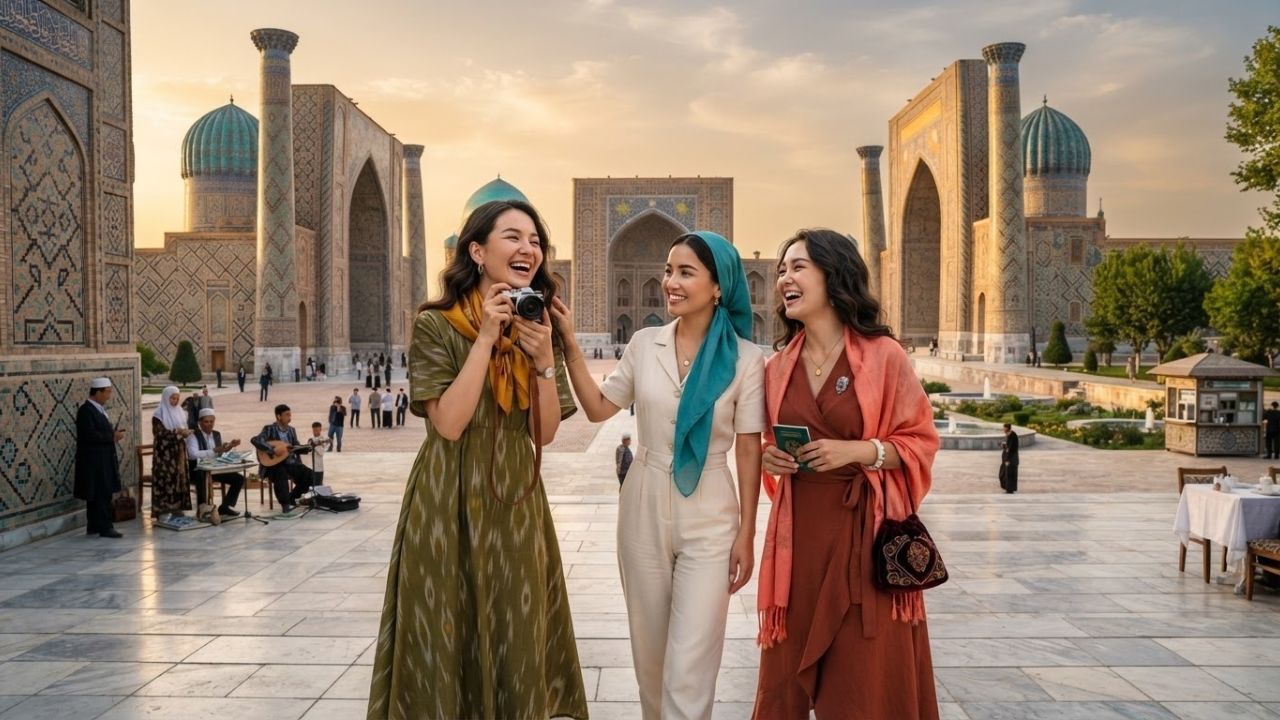
Image generated by AI
Uzbekistan's tourism sector has achieved a major milestone, with international visitor exports reaching US$4.8 billion in 2025, driven by long-term government accessibility reforms.
On August 7, 2026, policy analysts evaluated the regional economic data. According to the World Travel & Tourism Council (WTTC), Uzbekistan ranks first in Central Asia across primary tourism development indicators, capturing nearly half of the region's total travel export value. The growth reflects strategic visa simplification and transit infrastructure expansions aimed at boosting the leisure economy.
The Core Transit Update
The Uzbek government has modernised entry protocols and expanded transit capacity to position the country as a primary international gateway.
These policy updates include visa-free entry for citizens of over 90 nations and the introduction of a digital visa portal handled by the Ministry of Foreign Affairs. Airport modernisations managed by Uzbekistan Airports have expanded Tashkent, Samarkand, and Bukhara terminals to accommodate direct routes from Europe, the Middle East, and Asia. This aviation growth builds on regional travel expansions, such as the direct routes discussed in Uzbekistan to China Travel Boom: 367% Ticket Surge After Visa-Free Agreement Transforms Asian Tourism in 2026.
Beyond traditional sightseeing in historic cities like Samarkand and Bukhara, the Uzbekistan Tourism Committee is expanding the leisure market into wellness and culinary travel, highlighting developments like the fusion cuisine initiatives described in Uzbekistan Integrates Ayurvedic Principles with Vegan Uzbek Cuisine in Tashkent to Expand Regional Wellness Tourism Offerings.
Transit Schedule & Route Specifications
The following table summarizes the Central Asian travel statistics and growth projections.
| Regional Tourism Indicator | Performance Metrics (2025) | Growth Projections (2026-2036) | Economic Focus Areas |
|---|---|---|---|
| Uzbekistan Visitor Exports | US$4.8 billion | Key driver of regional exports | Cultural & historical tours |
| Central Asia Visitor Exports | US$9.9 billion | 26.4% year-over-year increase | Leisure travel spending |
| Central Asia Tourism GDP | 17.7% increase | Expected to reach US$29.7 billion by 2036 | Infrastructure development |
| Direct Sector Contribution | 19.6% increase | Strong local employment gains | Hospitality and transport |
| Leisure Spending Share | 84.5% of international spend | 64.3% of total tourism spending | Multi-city routing integration |
Traveler Logistics Guide
From a ground-level perspective, the best way to navigate this is to coordinate your domestic rail connections alongside your international flight bookings.
- Aviation Connections: Fly into Tashkent International Airport (TAS) or Samarkand International Airport (SKD). Connecting flights through Istanbul (IST), Dubai (DXB), or Doha (DOH) offer the most reliable transit options.
- High-Speed Rail Bookings: Secure tickets for the Afrosiyob high-speed train (connecting Tashkent, Samarkand, and Bukhara) online through the national rail portal up to 45 days in advance. Tickets sell out quickly during the spring and autumn peak seasons.
- Layover and Customs Processing: Allow at least 2.5 to 3 hours at Tashkent (TAS) for regional airport transfer and customs processing, as check-in queues can lengthen during wave departure hours.
Infrastructure Impact Assessment
The expansion of transport links and simplified visa policies directly benefits regional economies by distributing visitor spending to rural artisans and guesthouses.
These developments support historical conservation, as tourism revenue contributes to maintaining UNESCO World Heritage sites like Khiva's walled city of Itchan Kala. By encouraging private investment in boutique hotels and eco-certified transport services, Uzbekistan is establishing a sustainable model for heritage tourism in Central Asia.
Related Travel Guides
Disclaimer
This article is for informational and educational purposes only. It does not constitute legal, financial, or professional advice. While we strive to provide accurate and up-to-date information, travel policies, regulations, and conditions change rapidly. Always verify information with official sources before making travel decisions. Nomad Lawyer makes no representations about the accuracy, reliability, completeness, or suitability of the information provided. Readers should consult qualified professionals for advice specific to their circumstances. The views expressed in this article are those of the author and do not necessarily reflect the views of Nomad Lawyer.
Kunal K Choudhary
Co-Founder & Contributor
A passionate traveller and tech enthusiast. Kunal contributes to the vision and growth of Nomad Lawyer, bringing fresh perspectives and driving the community forward.
Learn more about our team →