
Sofia and Krakow Lead European 'Peak Creeping' Trend as Inbound Travel Shifts to Shoulder Seasons 2026
Sofia and Krakow are redefining European tourism as 'peak creeping' drives a massive surge in off-season travel, alleviating summer overcrowding and boosting urban economies.

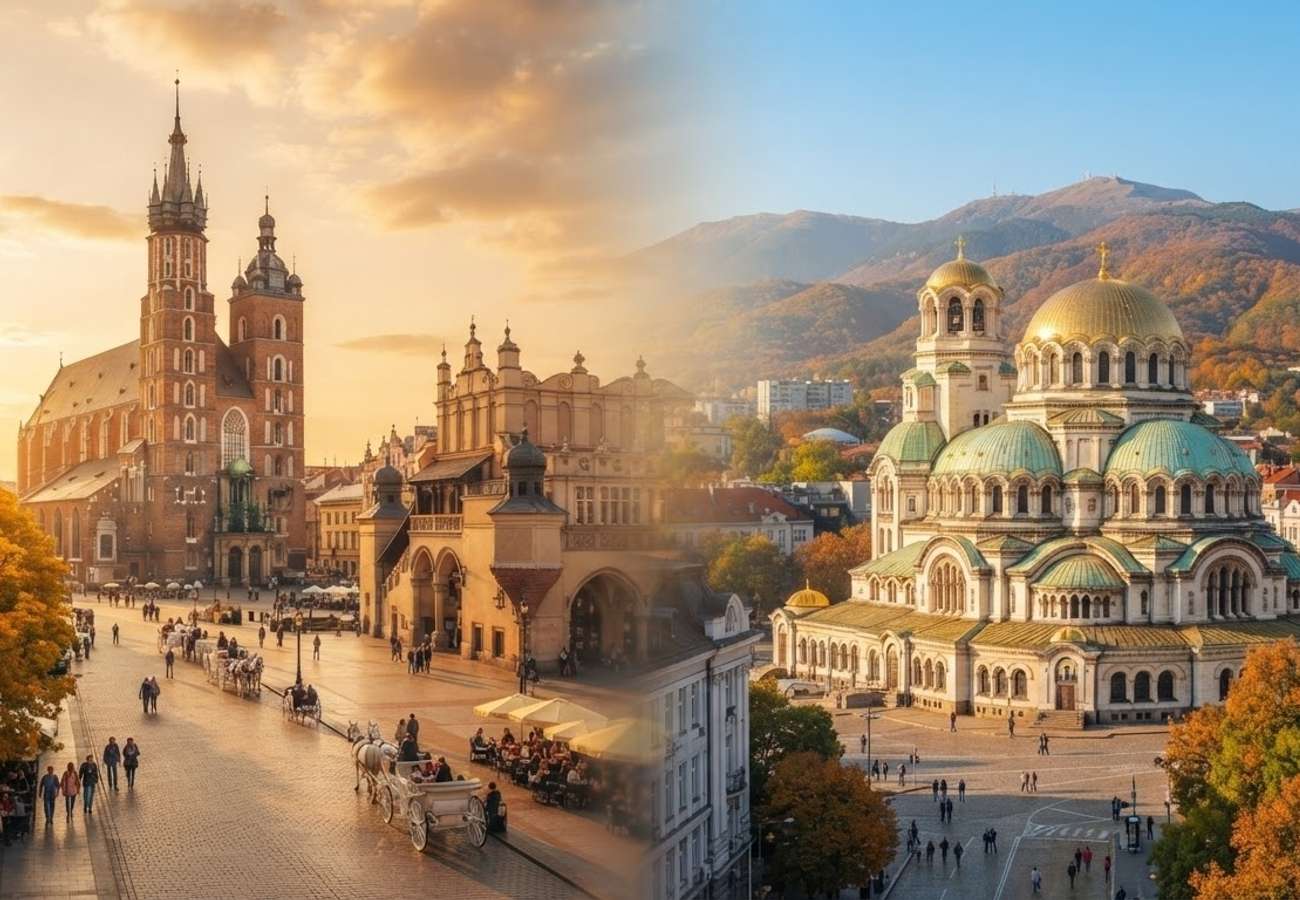
Image generated by AI
The traditional summer rush is no longer the only driver of European tourism. Sofia and Krakow are seeing a massive influx of visitors during previously dormant months, signaling a permanent shift in how global travelers navigate the continent.
The European travel sector is undergoing a structural realignment known as "peak creeping." This phenomenon describes the expansion of the traditional July and August peak into the shoulder months of April, May, September, and October.
While Western European hubs struggle with the fallout of overtourism, Eastern and Central European cities—specifically Sofia, Bulgaria, and Krakow, Poland—are successfully capturing this shifting demand. This transition is not merely a statistical anomaly but a response to changing climate patterns and a growing preference for sustainable, authentic travel.
The Mechanics of the Peak Creeping Phenomenon
The "peak creep" trend is fundamentally altering the operational models of aviation networks and hospitality sectors. The previous binary model—characterized by a frantic summer peak followed by an unprofitable off-season—is dissolving in favor of a steady, year-round flow of international visitors.
Data verified in August 2026 highlights a stark divergence in growth rates:
- Off-season departures: Have seen a staggering 50% year-on-year increase.
- Shoulder month growth: Departures in April, May, September, and October grew by 60% compared to previous cycles.
- Traditional summer growth: Increased at a much slower rate of approximately 30%.
September has now emerged as the single most popular month for European exploration, as travelers actively avoid the extreme heatwaves and dense crowds associated with mid-summer.
Drivers of the Shift to Shoulder Seasons
Several global factors are converging to accelerate this behavioral change:
- Climate Adaptation: Rising temperatures in Southern Europe have made traditional summer destinations dangerously hot, pushing travelers toward more temperate climates.
- Authenticity over Mass Tourism: Modern travelers are prioritizing "local" experiences and strategic crowd avoidance to escape the anonymity of mass tourist herds.
- Work Flexibility: The normalization of digital nomadism and flexible corporate holiday policies allows professionals to blend employment with leisure across borders throughout the year.
- Economic Resilience: By flattening the demand curve, local independent businesses can maintain stable, year-round employment rather than relying on a two-month window of profitability.
Why Sofia and Krakow are Winning
Sofia and Krakow have become the primary beneficiaries of this trend due to a combination of historical authenticity, modern infrastructure, and aggressive strategic planning.
Unlike many Western capitals that reacted to overtourism after it happened, these cities have proactively implemented sustainable destination management. They have positioned themselves as premier, year-round alternatives that offer high value for money without the stress of extreme overcrowding.
The result is an inbound travel surge that has defied previous academic projections. Visitors are drawn to the balance of deep historical reverence and modern urban dynamism found in these cultural capitals.
Impact on Urban Planning and Sustainability
For urban planners, "peak creeping" provides a blueprint for the future of sustainable tourism. By distributing visitor traffic more evenly across the calendar, cities can:
- Reduce the strain on local resources and public transport.
- Alleviate the seasonal "boom and bust" cycle of the local economy.
- Prevent the degradation of historical sites caused by extreme summer spikes.
This shift allows municipal authorities to move from "crisis management" during the summer to "strategic growth" throughout the year.
Comparative Growth Metrics
The following data illustrates the impact of the peak creeping trend on travel patterns entering 2026.
| Travel Period | Growth Rate (Recent Cycles) | Trend Status |
|---|---|---|
| Traditional Summer (July-Aug) | 30% | Moderated |
| Shoulder Months (Apr, May, Sept, Oct) | 60% | Rapid Expansion |
| Overall Off-Season Departures | 50% (YoY) | High Growth |
The era of the "off-season" is ending, replaced by a sustainable, continuous cycle of global exploration.
Key Takeaways
- Peak Creeping Defined: The expansion of peak travel activity into shoulder months (April, May, September, October).
- Data-Driven Shift: Off-season departures grew by 60% in shoulder months, vastly outpacing the 30% growth seen in traditional summer travel.
- Climate Influence: Extreme summer heatwaves are driving travelers toward temperate Eastern European cities.
- Economic Benefit: Sofia and Krakow are using this trend to build year-round economic stability and avoid the pitfalls of overtourism.
FAQ
What is the "peak creeping" trend in travel? It is the gradual shift of peak tourist volumes from the traditional summer months into the shoulder seasons (spring and autumn), resulting in a more even distribution of visitors throughout the year.
Why are Sofia and Krakow seeing more visitors? These cities offer a combination of affordability, rich cultural heritage, and sustainable management practices, making them attractive alternatives to overcrowded Western European hubs.
How does this trend benefit local residents? It creates more stable, year-round employment in the hospitality sector and reduces the extreme pressure on city infrastructure that typically occurs in July and August.
Related Travel Guides
Disclaimer
This article is for informational and educational purposes only. It does not constitute legal, financial, or professional advice. While we strive to provide accurate and up-to-date information, travel policies, regulations, and conditions change rapidly. Always verify information with official sources before making travel decisions. Nomad Lawyer makes no representations about the accuracy, reliability, completeness, or suitability of the information provided. Readers should consult qualified professionals for advice specific to their circumstances. The views expressed in this article are those of the author and do not necessarily reflect the views of Nomad Lawyer.
Preeti Gunjan
Contributor & Community Manager
A passionate traveller and community builder. Preeti helps grow the Nomad Lawyer community, fostering engagement and bringing the reader experience to life.
Learn more about our team →