USA Travel Update As NOAA Map Reveals Unusual Autumn 2026 Weather Patterns Across All Regions

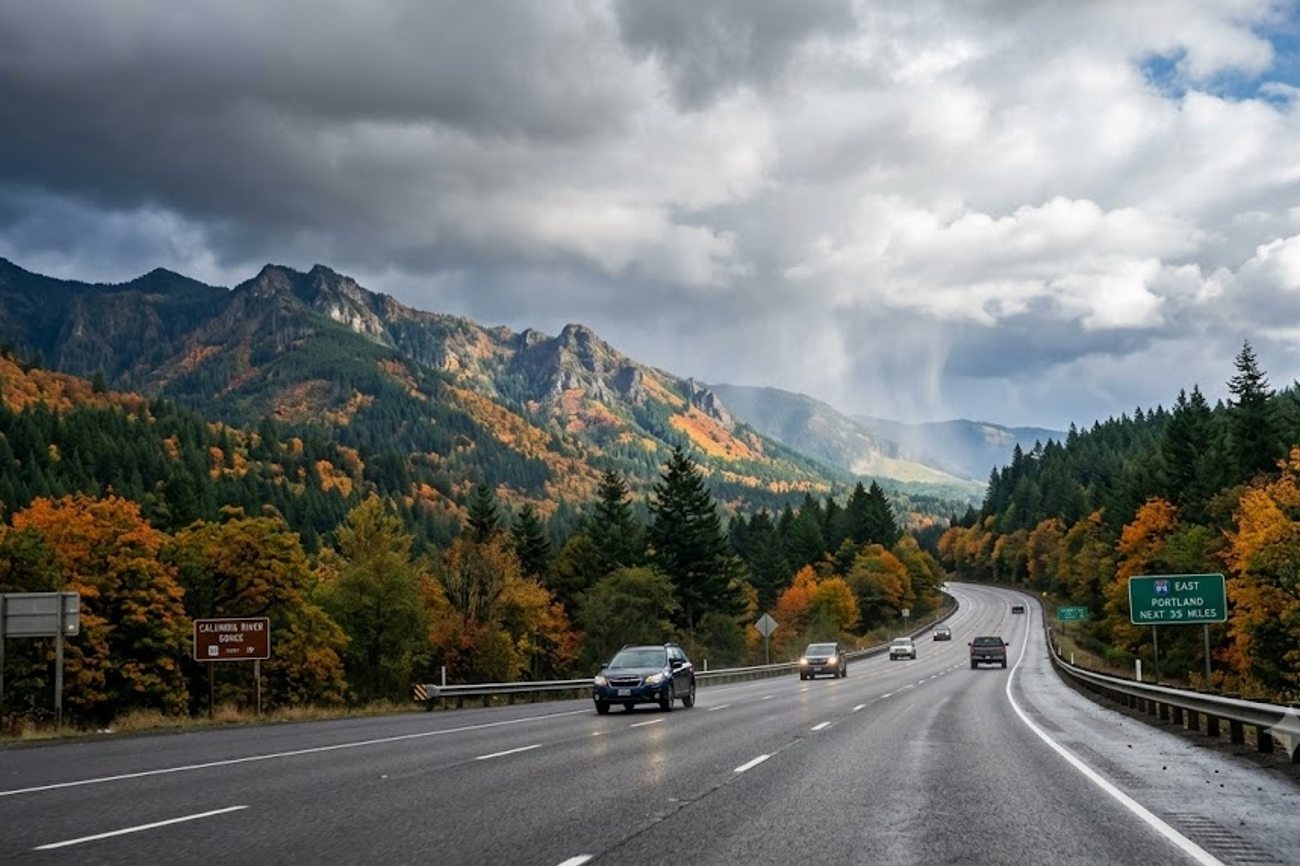
Image generated by AI
A 90% probability of a very strong El Niño event during the Northern Hemisphere autumn and winter 2026–27 is the primary catalyst for a sweeping shift in U.S. climate expectations. This forecast, issued by the National Oceanic and Atmospheric Administration (NOAA), signals a departure from historical norms, projecting widespread above-average temperatures and volatile precipitation patterns across the continental United States and Alaska. For the first time in its biannual reporting cycle, the September 2026 outlook has incorporated variables extending beyond simple temperature averages, providing a complex atmospheric map that directly impacts the logistics of domestic and international tourism.
The El Niño Catalyst and Atmospheric Shifts
The driving force behind these projections is a rapidly intensifying El Niño, a phenomenon characterized by anomalous warming of surface waters in the central and eastern Pacific Ocean. This oceanic warming disrupts global atmospheric circulation, effectively altering the jet stream and steering weather systems in ways that deviate from standard seasonal transitions.
According to the NOAA Climate Prediction Center, there is a 75% probability that the period between October and December 2026 will produce an El Niño event more powerful than any recorded since 1950. This is not merely a statistical anomaly; it is a fundamental shift in the environmental baseline for the autumn season. While seasonal outlooks are not daily forecasts—and cannot predict specific storm cells or sudden cold snaps—they establish the "probability envelope" within which weather events occur. For the 2026 season, that envelope is shifted heavily toward warmth and moisture in the south, and dryness in the north.
Regional Climate Projections for Autumn 2026
The geographic distribution of these anomalies creates a bifurcated experience for travelers. While the majority of the country faces rising temperatures, the precipitation forecast is far more fragmented.
| Region | Temperature Trend | Precipitation Expectation |
|---|---|---|
| Western United States | Above-Normal Probability | Drier in Interior/Northwest; Wetter in Southern CA |
| Northern States | Warmer-than-Average | Below-Normal (Great Lakes/NW) |
| Midwest | Above-Normal Probability | Below-Normal (Great Lakes region) |
| Eastern United States | Warmer Seasonal Pattern | Above-Normal (Mid-Atlantic/Southeast) |
| Alaska | Above-Average (Selected Areas) | Below-Normal |
| Southern USA | Warmer-than-Average | Above-Normal (Gulf Coast/Southwest) |
The impact on high-traffic tourism hubs is significant. Major urban centers including New York, Chicago, and Washington DC are expected to experience a milder autumn. Similarly, iconic outdoor destinations such as Yellowstone National Park, Rocky Mountain National Park, and the Pacific Northwest are projected to see extended periods of comfortable weather, potentially lengthening the traditional "shoulder season" for outdoor recreation.
Expert Analysis: The Logistics of Climate Volatility
For the professional traveler and the tourism operator, these data points translate into specific operational risks and opportunities. The overarching theme of the 2026 forecast is "seasonal extension," but this comes with a hidden cost of unpredictability.
The Southern Precipitation Trap For travelers booking trips to Southern California, the Gulf Coast, or the Tennessee Valley, the "above-normal rainfall" projection is the most critical variable. In Southern California, where El Niño typically triggers heavy precipitation, the direct consequence is an increased risk of flash flooding and mudslides. For the nomad or traveler, this means a higher probability of temporary hiking trail closures in national parks and disruptions to regional flight schedules. While wetter conditions may lead to greener landscapes and improved reservoir levels, the logistical friction—cancelled outdoor events and road closures—will likely increase.
The Northern Dry-Out Conversely, the projected drier conditions in Alaska and the Northwestern U.S. create a paradox. While these areas may see fewer rain-related travel disruptions in the short term, the lack of autumn precipitation is a red flag for the winter economy. Mountain destinations that rely on a "base layer" of autumn snow to support winter skiing and snowboarding will face heightened anxiety. A dry autumn often correlates with a delayed or diminished winter snowpack, which can lead to shorter ski seasons and reduced revenue for alpine resorts.
The National Oceanic and Atmospheric Administration (NOAA) has released a map highlighting unusual autumn 2026 weather patterns across all regions in the USA, which may impact travel plans. For the most up-to-date information on flight schedules and travel advisories, passengers can visit the Federal Aviation Administration website for official guidance. This will help travelers prepare for potential disruptions and plan their trips accordingly.
The "Heat Hangover" Effect This autumn forecast follows one of the hottest summers ever recorded in U.S. history. When record summer heat merges with a strong El Niño autumn, the result is a diminished "cooling off" period. This prevents the natural reset of ecosystems and puts sustained pressure on energy grids and water resources. For the traveler, this means that the "autumn aesthetic"—the traditional foliage and crisp air of New England—may be delayed or muted, altering the timing of peak tourism flows.
Key Takeaways
- Extreme El Niño Probability: There is a 90% chance of a very strong El Niño event for autumn/winter 2026–27, with a 75% chance it will surpass any event recorded since 1950.
- Widespread Warming: Above-average temperatures are expected across almost all U.S. regions, including Alaska, the Midwest, and the East Coast.
- Southern Moisture Surge: Increased rainfall is forecasted for the Southeast, Gulf Coast, and Southern California, increasing the likelihood of travel disruptions and trail closures.
- Northern Aridity: Below-normal precipitation is expected in the Northwest, Alaska, and around the Great Lakes, potentially impacting early winter snowpack.
- Operational Shift: Tourism operators are encouraged to use International Air Transport Association (IATA) guidelines and NOAA data to adjust seasonal messaging and winter preparation timelines.
FAQ: US Autumn Travel 2026
Will it be warm everywhere in the US this autumn? While the overall trend is above-average warmth across the West, Midwest, and East, this is a seasonal average. Individual cold waves and storms will still occur, so travelers should still pack layers and monitor daily forecasts.
Which regions are most likely to face rain disruptions? Southern California, the Southwest, the Gulf Coast, and the Southeast are at the highest risk for above-normal rainfall, which may lead to hiking trail closures or event cancellations.
How does the 2026 El Niño affect winter sports? Drier-than-normal conditions in the Northwest and interior West during autumn could lead to a lower snow base, potentially delaying the opening of ski resorts or shortening the overall winter season.
Is the autumn foliage in New England affected? Warmer-than-average temperatures often delay the change in leaf color. Travelers visiting New England should monitor local updates as the "peak" foliage window may shift later than historical averages.
When the Pacific warms, the map changes—and the savvy traveler adjusts their itinerary accordingly.
Tags: NOAA 2026, El Niño 2026, US National Parks Weather, Southern California Precipitation, Autumn Travel Logistics, Climate Prediction Center
Related Travel Guides
- Cyprus Mirrors Greece and Others as Autumn Travel Shifts Towards Villages and Rural Tourism
- Vietnam’s Quảng Trị Unlocks A New Tourism Era With World-Class Caves, Nature And Heritage Attractions
- United States Partners With Japan And More Destinations As PTAA Travel Tour Expo 2027 Manila Nears Full Capacity With 98 Percent Booths Booked
This article is for informational purposes. Flight routes, passenger regulations, visa rules, and transit advisories are subject to change by airlines and aviation authorities. Readers are advised to verify schedules and travel documentation with relevant carriers and border agencies before departure.
Related Stories

Thailand Tourism Slowdown Tests Small Businesses as Kingdom Pivots to High-Yield Travel and Secondary Provinces

South Africa Expands Inclusive Wildlife Tourism with Woman-Owned Wellness Centre at Addo Elephant National Park