Savannah Stands Alongside New Orleans and St. Augustine in Becoming Haunted Fall Hotspots Spiking Travel in USA

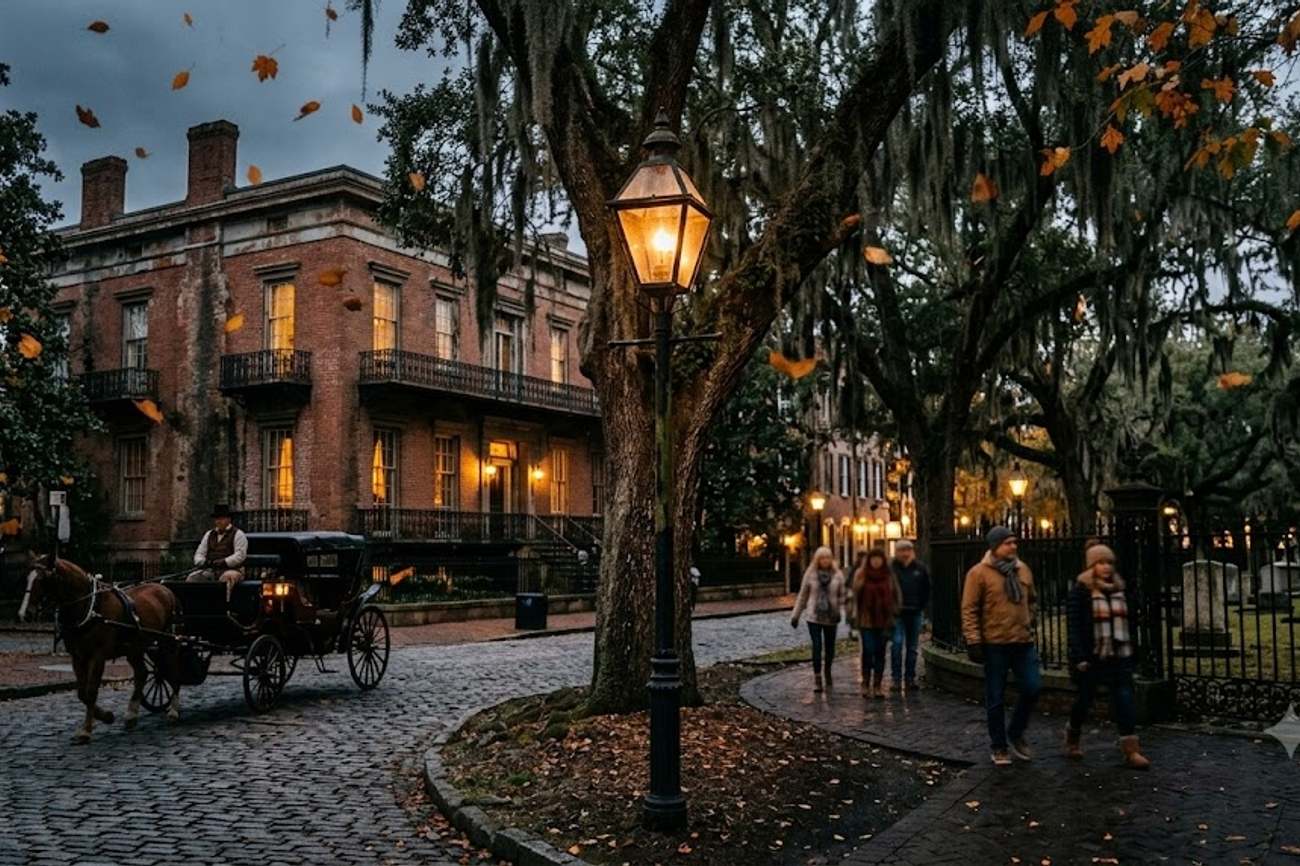
Image generated by AI
While most visitors associate the American South with sunshine and hospitality, the region's oldest cities are built upon layers of colonial conflict, maritime tragedy, and ancestral spirits. In places like Savannah, New Orleans, and St. Augustine, the "spooky season" is less about costumes and more about a tangible connection to the centuries of turmoil and triumph etched into the cobblestones.
The Rise of the Southern Gothic Circuit
There is a shifting tide in how travelers approach the autumn months in the United States. The traditional foliage-hunting trips to New England are being supplemented by a growing interest in "dark tourism"—the pursuit of sites associated with death, tragedy, or the paranormal. This isn't merely a Halloween trend; it is a sophisticated intersection of heritage tourism and storytelling.
In the coastal South, this manifests as a curated journey through the Gothic. Travelers are no longer satisfied with generic sightseeing; they seek the visceral. By linking supernatural legends to documented historical events, cities like Savannah and New Orleans have turned their cemeteries and colonial forts into open-air museums. This evolution allows these destinations to maintain high visitor volumes year-round, as the allure of a "haunted" hotel or a voodoo tradition is as potent in July as it is in October.
What Makes the Southern Coast Different
The supernatural appeal of these three cities is not accidental; it is a byproduct of their specific geographic and cultural collisions.
Savannah operates on a different temporal plane. Its layout, defined by a series of historic squares, creates a rhythmic walking experience where the veil between the past and present feels thin. The city's identity is inextricably linked to its Spanish moss-draped oaks and Victorian architecture, creating a visual language of decay and elegance that fuels its reputation as one of the most atmospheric cities in North America.
New Orleans, by contrast, is a sensory overload of French, Spanish, and African influences. It is the only place in the U.S. where voodoo is not just a tourist attraction but a recognized cultural thread. The city's unique "cities of the dead"—its above-ground cemeteries—exist because the water table is too high for traditional burial. This geographic necessity created a distinct architectural style of tombs that serves as a primary draw for those interested in the macabre.
St. Augustine provides a starkly different energy. As the oldest continuously inhabited European-established settlement in the contiguous U.S., its "ghosts" are colonial. The presence of the Castillo de San Marcos, a massive limestone fortress, anchors the city in a history of military siege and Spanish imperialism. Here, the paranormal is blended with coastal relaxation, offering a hybrid experience where one can explore a haunted dungeon in the morning and lounge on a Florida beach in the afternoon.
Visitor Insider Tips
To experience these cities without feeling like a tourist in a themed attraction, you must align your movements with the local rhythm.
Savannah Strategy: Avoid the midday heat by scheduling your walking tours for the "golden hour" just before sunset. While the Historic District is the main draw, spend time in Forsyth Park to see the famous fountain away from the ghost-tour crowds. For a taste of maritime history, visit The Pirate’s House, but go for an early lunch to secure a table in the historic cellar.
New Orleans Nuance: If you want authentic music, leave the neon lights of Bourbon Street behind and head to Frenchmen Street. This is where the locals go for genuine jazz and brass. When visiting the cemeteries, remember that these are active sites of mourning; maintain a respectful silence and never touch the tombs. For food, skip the tourist traps and seek out authentic gumbo and po'boys in the Marigny neighborhood.
St. Augustine Approach: The Castillo de San Marcos is a must, but it can be crowded. Book your tickets through the National Park Service in advance. To avoid the heaviest crowds, explore the Spanish architecture of the old city on weekday mornings. Since the city is coastal, always carry a light rain shell, as autumn showers can be sudden and intense.
Cultural and Environmental Context
The commodification of "haunted history" is a double-edged sword for these Southern cities. On one hand, the revenue from ghost tours and paranormal tourism funds the preservation of historic buildings and cemeteries that might otherwise fall into ruin. In Savannah, the strict preservation laws of the Historic District ensure that the city remains a living museum, though this often drives up property values, pushing local residents further from the center.
In New Orleans, the intersection of tourism and heritage is more complex. The city's voodoo and Creole traditions are deeply personal to the community, yet they are often packaged for consumption. There is an ongoing effort by local historians and cultural practitioners to ensure that the "spooky" narrative does not overshadow the actual history of the African diaspora and the struggles of the working class that built the city.
Environmentally, these cities face an existential threat from rising sea levels and hurricanes. The very things that make them attractive—their waterfront locations and ancient structures—make them vulnerable. Tourism boards are increasingly focusing on sustainable travel to ensure that the infrastructure can withstand the elements while continuing to welcome millions of visitors. For those interested in the broader context of heritage preservation, the UNESCO World Heritage Centre provides excellent resources on how similar colonial cities globally manage the balance between tourism and authenticity.
FAQ: Visiting the Southern Gothic Circuit 2025
What is the best time to visit these cities? Autumn (September to November) is ideal. The temperatures drop, making the extensive walking tours comfortable, and the seasonal festivals amplify the atmospheric quality of the historic districts.
How do I get between Savannah, New Orleans, and St. Augustine? The most efficient way is by rental car, as it allows you to see the coastal scenery. However, regional flights or Amtrak services connect these hubs, though they require more transit time.
Is it safe for solo travelers? Yes, all three cities are very welcoming to solo travelers. Stick to well-lit areas in the French Quarter and Savannah's squares at night, and utilize licensed tour operators for cemetery visits.
Do I need a visa to visit these U.S. cities? Depending on your citizenship, you may need a visa or an ESTA (Electronic System for Travel Authorization). Check the official U.S. Visit website for current entry requirements.
Walk the line between the living and the dead in the South, where every shadow has a story and every street has a secret.
Related Travel Guides
This article is for informational purposes. Flight routes, passenger regulations, visa rules, and transit advisories are subject to change by airlines and aviation authorities. Readers are advised to verify schedules and travel documentation with relevant carriers and border agencies before departure.
Related Stories
UK Noise Pollution Rankings 2026: Salford Loudest City While Scotland's Perth and Kinross Emerges as Ultimate Peaceful Travel Retreat
Global Sustainable Tourism Surges in 2026 as Nature Escapes and Scenic Rail Journeys Drive Greener Travel Growth