81.5 Million Americans to Travel for Thanksgiving 2026 Despite Record Gasoline Prices and Airfare Surges

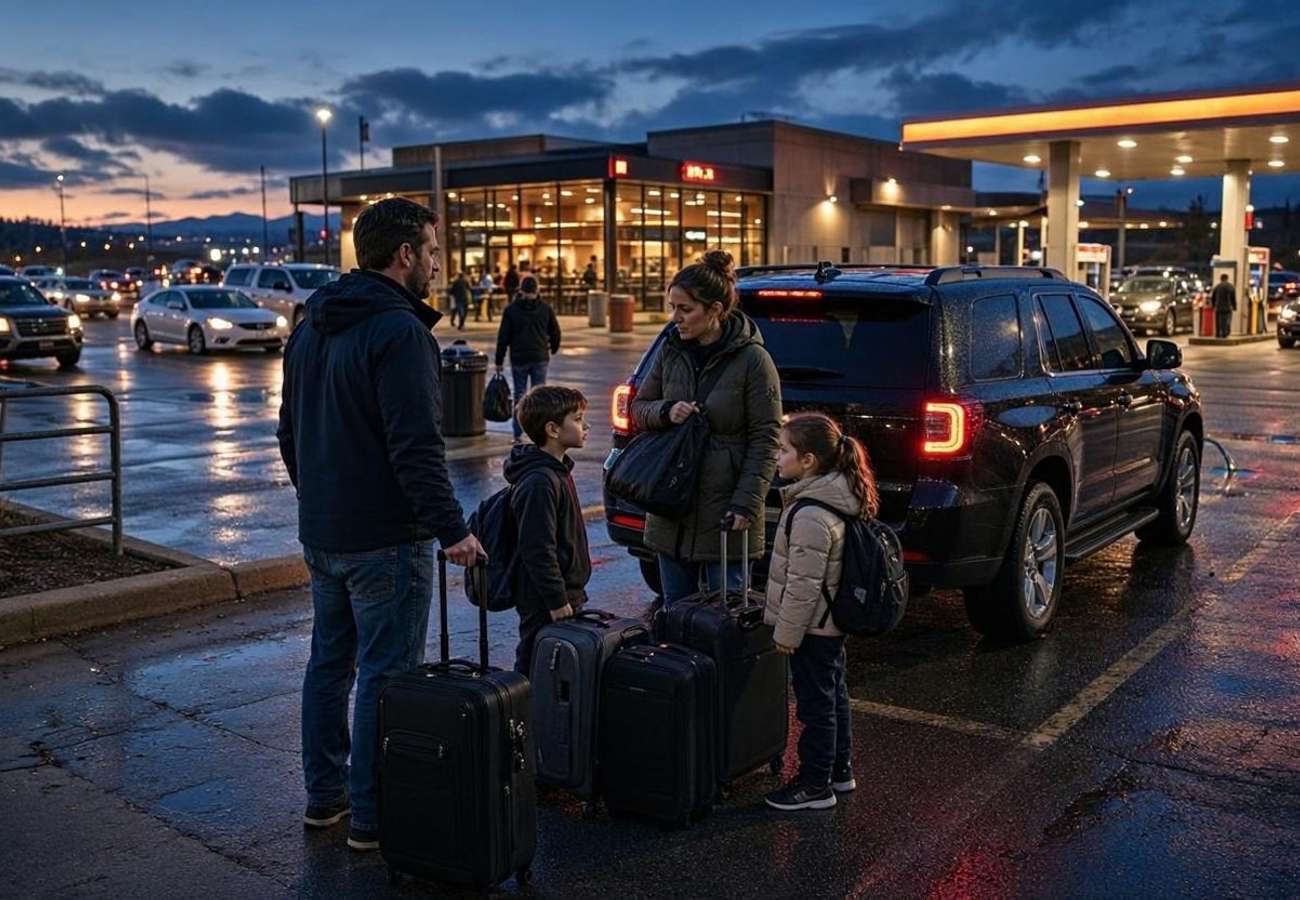
Image generated by AI
81.5 million Americans are projected to travel at least 50 miles from home this Thanksgiving, according to the latest data from AAA. While this figure remains staggering, it signals a subtle but significant pivot in domestic travel patterns: the end of a three-year streak of record-breaking holiday volumes following the pandemic recovery.
The Cost of Tradition: Economic Headwinds
The slight dip in travel volume—a decrease of approximately 121,000 travelers, or 0.1% compared to the previous year—is not a result of waning interest in holiday gatherings, but rather a response to aggressive price hikes across all transport sectors. For the first time since the post-COVID surge, the financial burden of transit is beginning to outweigh the social imperative of the holiday.
The primary drivers of this slowdown are twofold: a volatile energy market and an aviation sector struggling with increased operating costs. Gasoline prices have been pushed upward by geopolitical instability, specifically the ongoing conflict between the U.S. and Iran, alongside systemic inflationary pressures.
Transportation Cost Breakdown 2026
The financial impact is most visible when comparing current rates to the previous year's holiday window. While air travel remains the most expensive option, road travel is facing a historic pricing crisis.
| Metric | 2025 Value | 2026 Value | Change (%) / Status |
|---|---|---|---|
| Total Travelers | ~81.62 Million | 81.5 Million | -0.1% |
| Avg. Gasoline Price | $3.08 / gallon | $3.82 / gallon | +23.9% |
| Round-trip Airfare | Base Rate | +17% vs 2025 | +17% |
| Gas Price Record | $3.58 (2022) | $3.82 (Current) | New Potential Record |
| Alt. Transport Demand | Base Volume | +4% vs 2025 | Growth |
Expert Analysis: The Bifurcation of the American Traveler
The data from Visa’s economic research group reveals a critical socio-economic divide in how Americans are approaching the 2026 holiday season. By analyzing credit card transactions from September for journeys scheduled between November 1 and January 15, a clear pattern emerges: travel spending has declined across almost every income bracket except for households earning over $200,000 annually.
For the average traveler, the direct consequence is a shift toward "budget-optimization." This explains why AAA is seeing a 4% increase in the use of buses, trains, and cruise ships. As the International Air Transport Association (IATA) and other bodies track global pricing, the U.S. market is showing a distinct trend where middle- and lower-income families are swapping flights for rail or road, even as those road trips become more expensive.
Furthermore, the aviation sector is currently a site of conflicting data. While Airlines for America suggests passenger numbers will rise, aviation analytics firm Cirium reports bookings were 1.6% lower as of late October. This discrepancy suggests that while "intent" to travel remains high, "actualized" bookings are falling due to the 17% surge in airfares.
From a regulatory standpoint, the ghost of 2025 still lingers. Last year's government shutdown forced the Federal Aviation Administration (FAA) to mandate flight reductions at 40 of the busiest U.S. airports. While the November 13, 2026 ground stop was caused by different technical failures, the systemic fragility of the U.S. aviation infrastructure remains a primary concern for those booking high-stakes holiday travel.
Key Takeaways
- Volume Plateau: Thanksgiving travel has peaked; a 0.1% drop ends a three-year record-breaking cycle.
- Fuel Crisis: Gasoline prices at $3.82 per gallon are on track to shatter the previous Thanksgiving record of $3.58 set in 2022.
- Airfare Inflation: Domestic round-trip tickets have surged by 17% year-over-year.
- Income Divide: Only households earning $200,000+ have maintained their travel spending levels.
- Modal Shift: A 4% increase in bus, train, and cruise ship usage indicates a move away from traditional air/car dominance.
FAQ: Thanksgiving Travel 2026
Why are flight prices so much higher this year? Airlines are facing increased operating costs and higher fuel prices. According to AAA, round-trip domestic fares have increased by 17% compared to the 2025 holiday period.
Is it cheaper to drive than fly for Thanksgiving 2026? While generally cheaper than flying, driving is significantly more expensive than last year. Gasoline has risen from $3.08 to $3.82 per gallon, potentially setting a new holiday record.
Which transport methods are seeing the most growth? Alternative transport—specifically buses, trains, and cruise ships—is projected to grow by 4% as travelers seek cheaper options than air travel.
Will there be flight cancellations like in 2025? While the 2025 shutdown-related reductions are over, recent ground stops in November 2026 indicate that the system remains under pressure. Travelers should monitor FAA updates.
The American holiday tradition is surviving, but the budget is breaking.
Related Travel Guides
This article is for informational purposes. Flight routes, passenger regulations, visa rules, and transit advisories are subject to change by airlines and aviation authorities. Readers are advised to verify schedules and travel documentation with relevant carriers and border agencies before departure.
Related Stories

Busan Tourism Surge 2026: Foreign Visitor Growth and Consumer Rights in South Korea

Albany Christmas Festival and Pageant 2026: Essential Access and Transit Guide for Families