
USA Bioluminescent Travel Guide 2026: Top Glowing Beaches in Vieques, San Diego, and Titusville
Explore the best bioluminescent destinations in the USA for 2026, from the record-breaking Mosquito Bay in Vieques to the electric-blue waves of San Diego and Florida's Space Coast.

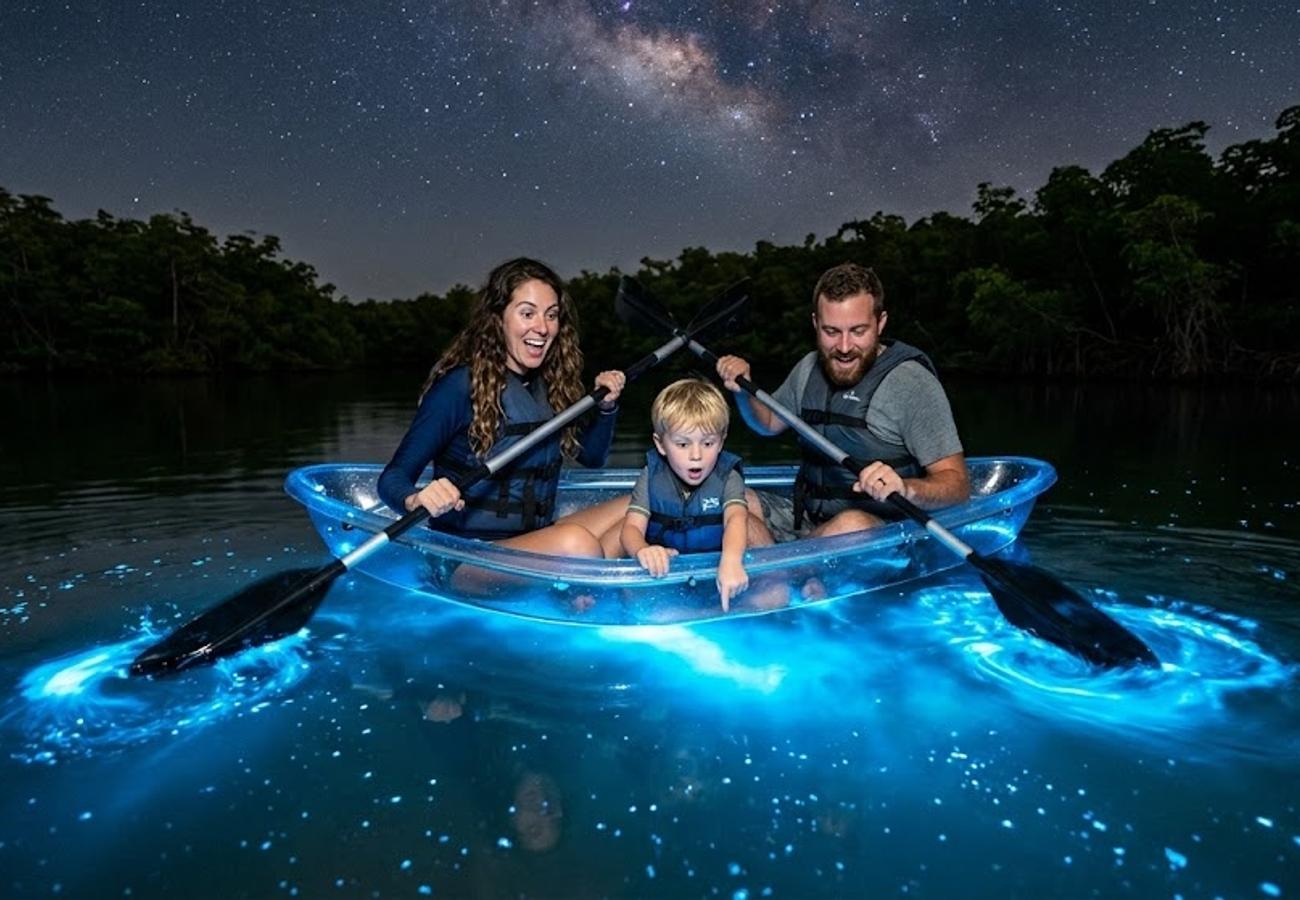
Image generated by AI
[San Juan, July 26, 2026] — Millions of microscopic marine organisms are transforming the American coastline into a neon-blue wonderland, fueling a surge in "night tourism" as travelers ditch traditional sightseeing for bioluminescent adventures. From the record-breaking bays of Puerto Rico to the seasonal surges of the Pacific Coast, these natural light shows are becoming primary drivers for eco-conscious travel in 2026.
This phenomenon occurs when dinoflagellates—tiny plankton—emit flashes of light in response to movement. Whether it is the stroke of a kayak paddle or the crash of a wave, the resulting electric-blue glow creates a surreal environment that has shifted the focus of coastal tourism toward sustainable, after-dark exploration.
Mosquito Bay in Vieques Holds World Record for Brilliance
On the eastern edge of Puerto Rico, the island of Vieques hosts the most famous bioluminescent site in the Western Hemisphere: Mosquito Bay. This location is officially recognized by the Guinness World Records as the brightest bioluminescent bay on the planet.
The bay's unique geography and high concentration of microscopic organisms create an intense luminosity. Because the area is managed as a natural reserve with strict controls on light pollution, the contrast between the dark night sky and the glowing water is stark. Visitors typically utilize clear-bottom kayaks, which allow them to see the shimmering blue light swirling directly beneath their seats. Unlike many other sites, Mosquito Bay maintains its glow throughout most of the year, providing a reliable destination for those seeking a guaranteed encounter with this natural wonder.
Mangrove Exploration in Fajardo's Laguna Grande
Located approximately one hour from San Juan, Fajardo offers a different ecological perspective on bioluminescence at Laguna Grande. Here, the experience is as much about the journey as the destination.
Travelers navigate through dense, narrow mangrove tunnels—a critical habitat for local wildlife—before emerging into the open lagoon. Once the sun sets, the water begins to sparkle with a brilliant blue hue. The integration of tropical forest exploration and luminous waters has made Fajardo a cornerstone of Puerto Rico's eco-tourism sector, offering a more accessible alternative for those staying in the capital.
Titusville and the Florida Space Coast Experience
For those visiting the mainland, Titusville, Florida, has emerged as a premier hub for bioluminescent activity. The region's network of waterways, including the Indian River Lagoon, Mosquito Lagoon, and the Banana River, becomes a glowing landscape during the warm summer months.
During these peak periods, massive blooms of plankton turn the calm Florida waters into a luminous blue expanse. A unique logistical quirk of this location is the proximity to the Kennedy Space Center; it is not uncommon for kayakers to witness a rocket launch while paddling through glowing waters. As the seasons shift into winter, the summer plankton are replaced by bioluminescent comb jellies, ensuring that the "Space Coast" remains a viable night-tourism destination year-round.
Seasonal Electric-Blue Waves in San Diego
California's bioluminescence differs significantly from the calm bays of the Caribbean. In San Diego, the phenomenon is often tied to "red tide" events, where microscopic algae create a reddish-brown tint in the ocean during the day.
When night falls, the chemistry changes, and the crashing surf transforms into electric-blue waves. This spectacular display is most prominent at several key coastal landmarks:
- La Jolla Shores
- La Jolla Cove
- Torrey Pines
- Del Mar
- Carlsbad
- Scripps Pier
Because these events are seasonal and fluctuate based on ocean currents and temperature, they are less predictable than the bays in Puerto Rico, yet they attract global crowds of photographers and marine biologists whenever a bloom occurs.
Tranquil Night Kayaking at Point Reyes Station
In Northern California, Point Reyes Station provides a more secluded experience. Tomales Bay is the primary draw here, offering a sanctuary for those who prefer quietude over the dramatic surf of Southern California.
The bay's sheltered nature makes it ideal for guided night kayaking tours. As paddlers glide across the mirror-like surface, tiny blue flashes appear with every movement. The surrounding Point Reyes National Seashore, characterized by its rugged cliffs and diverse wildlife, adds a layer of wilderness exploration to the bioluminescent experience.
Friday Harbor and the Pacific Northwest Glow
The phenomenon extends to the furthest reaches of the coast in Friday Harbor, located on San Juan Island in Washington State. During the warmer months, seasonal plankton blooms illuminate the waters of the Pacific Northwest.
This destination is particularly attractive because it allows travelers to combine bioluminescent kayaking with the region's world-famous whale watching, specifically the sighting of orcas. The cool climate and serene island scenery provide a stark, beautiful contrast to the tropical glows of the south.
The Shift Toward Sustainable Night Tourism
The rise in popularity of these destinations signals a broader shift in traveler behavior. There is a growing demand for "Information Gain" experiences—trips that provide unique, educational, and rare natural encounters rather than standard luxury resorts.
By focusing on activities that only occur after dark, these regions are extending the economic impact of tourism beyond daytime hours. More importantly, the reliance on guided eco-tours ensures that sensitive habitats, such as the mangroves of Fajardo or the reserves of Vieques, are protected from unregulated foot traffic.
Why This Matters for the Modern Traveler
For the traveler, the shift toward bioluminescent tourism means a move away from passive sightseeing and toward active environmental engagement. From a logistical standpoint, this requires a change in planning; travelers must now track seasonal algae blooms in San Diego or time their visits to the Florida Space Coast to align with both plankton cycles and launch schedules.
Moreover, these experiences highlight the fragility of marine ecosystems. The fact that these glows depend on specific water temperatures and chemical balances means that the "magic" is a direct indicator of ocean health. Choosing a guided tour over an independent excursion is no longer just a convenience—it is a necessity for the preservation of the very organisms that create the spectacle.
The American coastline is proving that the most vivid colors of the landscape only appear once the lights go out.
Related Travel Guides
Disclaimer
This article is for informational and educational purposes only. It does not constitute legal, financial, or professional advice. While we strive to provide accurate and up-to-date information, travel policies, regulations, and conditions change rapidly. Always verify information with official sources before making travel decisions. Nomad Lawyer makes no representations about the accuracy, reliability, completeness, or suitability of the information provided. Readers should consult qualified professionals for advice specific to their circumstances. The views expressed in this article are those of the author and do not necessarily reflect the views of Nomad Lawyer.
Preeti Gunjan
Contributor & Community Manager
A passionate traveller and community builder. Preeti helps grow the Nomad Lawyer community, fostering engagement and bringing the reader experience to life.
Learn more about our team →