
US State Department Issues New Middle East Travel Warnings and Security Alerts for 2026
The US State Department has updated travel advisories for the Middle East, urging citizens to reconsider trips due to rising security risks and potential transportation disruptions.

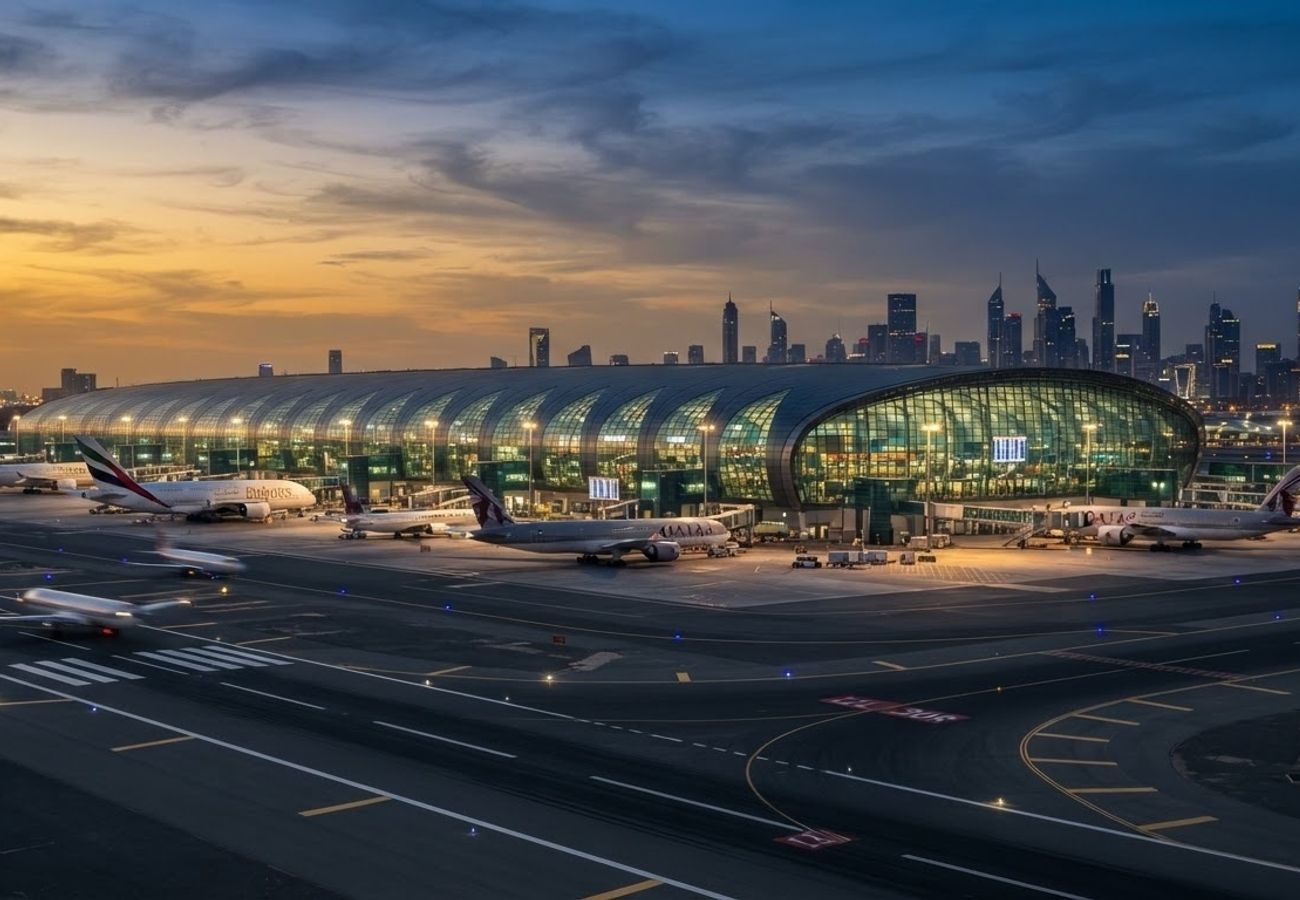
Image generated by AI
The US State Department has issued updated safety guidance for the Middle East, urging American citizens to reconsider certain journeys and maintain a high state of readiness for sudden operational changes. This advisory centers on heightened regional tensions, terrorism risks, and potential disruptions to international aviation and ground transport.
Regional Security Update and Risk Factors
The US government has shifted its posture regarding travel to the Middle East, citing a volatile security environment. While not a blanket ban on regional entry, the updated guidance emphasizes that conditions can deteriorate rapidly, rendering previous travel experiences an unreliable metric for current planning.
The State Department's risk assessment is based on five primary vectors:
- Terrorism Threats: Persistent risks of targeted attacks.
- Armed Conflict: Potential for escalation in border regions and conflict zones.
- Civil Unrest: Spontaneous protests or political instability.
- Transportation Disruptions: Sudden closures of airspace or ground corridors.
- Emergency Assistance: Variable capacity for consular support in high-risk zones.
Targeted Destinations and Aviation Impact
Risk levels are not uniform across the region. Travelers are advised to monitor individual country advisories, as the infrastructure and security profiles vary significantly between Gulf states and Levant nations.
High-Attention Zones
Increased scrutiny is currently directed toward Israel, Jordan, Iraq, and Lebanon, as well as specific areas within the Gulf countries. While luxury tourism hubs in the UAE and Qatar continue to operate, the overarching regional tension creates a ripple effect on transit.
Aviation Hub Vulnerability
Because the Middle East hosts some of the world's most critical transit nodes, security developments often trigger immediate changes to flight paths and schedules.
| Major Hub | Primary Impact Risk | Operational Status |
|---|---|---|
| Dubai (DXB) | Airspace rerouting / Schedule delays | Operating |
| Doha (DOH) | Connection disruptions | Operating |
| Abu Dhabi (AUH) | Route adjustments | Operating |
| Istanbul (IST) | Transit volatility | Operating |
| Riyadh (RUH) | Operational changes | Operating |
Traveler Logistics Guide: Navigating Regional Uncertainty
From a ground-level perspective, the best way to navigate this environment is to shift from a "fixed itinerary" mindset to a "flexible framework." When the US government advises travelers to "be prepared to depart," it is a signal to ensure all exit logistics are streamlined.
Essential Readiness Checklist
- Digital Enrollment: Enroll in the Smart Traveler Enrollment Program (STEP). This is the primary mechanism the US government uses to communicate emergency updates and locate citizens during evacuations.
- Document Accessibility: Maintain physical and encrypted digital copies of passports and visas. Do not keep these in a hotel safe; keep them in a secure, portable location.
- Financial Flexibility: Use refundable booking options for hotels and flights. In a volatile security climate, "non-refundable" can become a total loss in hours.
- Insurance Verification: Review your travel insurance policy specifically for "Political Risk" or "War and Civil Unrest" clauses. Standard policies often exclude claims if a government travel warning was active at the time of booking.
Connection Strategies
If you are using the Middle East as a stopover (e.g., via Doha or Dubai), increase your layover time to at least 6–8 hours. Sudden airspace closures often lead to cascading delays; a tight 2-hour connection is high-risk during these periods.
Infrastructure and Tourism Assessment
The Middle East has seen aggressive growth in tourism infrastructure, particularly in the UAE, Qatar, and Oman. The US warning creates a psychological barrier for leisure travelers, which may impact booking volumes for:
- Cultural Sites: Petra and Wadi Rum in Jordan.
- Luxury Hubs: Shopping and business events in Dubai and Abu Dhabi.
- Nature Tourism: The desert landscapes and mountains of Oman.
However, the physical infrastructure—airports, luxury resorts, and highways—remains largely intact and functional. The primary risk is not the failure of the infrastructure, but the geopolitical volatility that may restrict access to it.
Travelers should rely exclusively on official government registries and national port authorities for real-time updates.
Related Travel Guides
Disclaimer
This article is for informational and educational purposes only. It does not constitute legal, financial, or professional advice. While we strive to provide accurate and up-to-date information, travel policies, regulations, and conditions change rapidly. Always verify information with official sources before making travel decisions. Nomad Lawyer makes no representations about the accuracy, reliability, completeness, or suitability of the information provided. Readers should consult qualified professionals for advice specific to their circumstances. The views expressed in this article are those of the author and do not necessarily reflect the views of Nomad Lawyer.
Kunal K Choudhary
Co-Founder & Contributor
A passionate traveller and tech enthusiast. Kunal contributes to the vision and growth of Nomad Lawyer, bringing fresh perspectives and driving the community forward.
Learn more about our team →