
Middle East Airports Grapple With Prolonged Iran-Israel Disruption in 2026
Iran-Israel tensions force Middle East airports into managed shutdowns in April 2026. Dubai, Doha, and Abu Dhabi face rolling closures, cancellations, and rerouted global traffic affecting thousands.

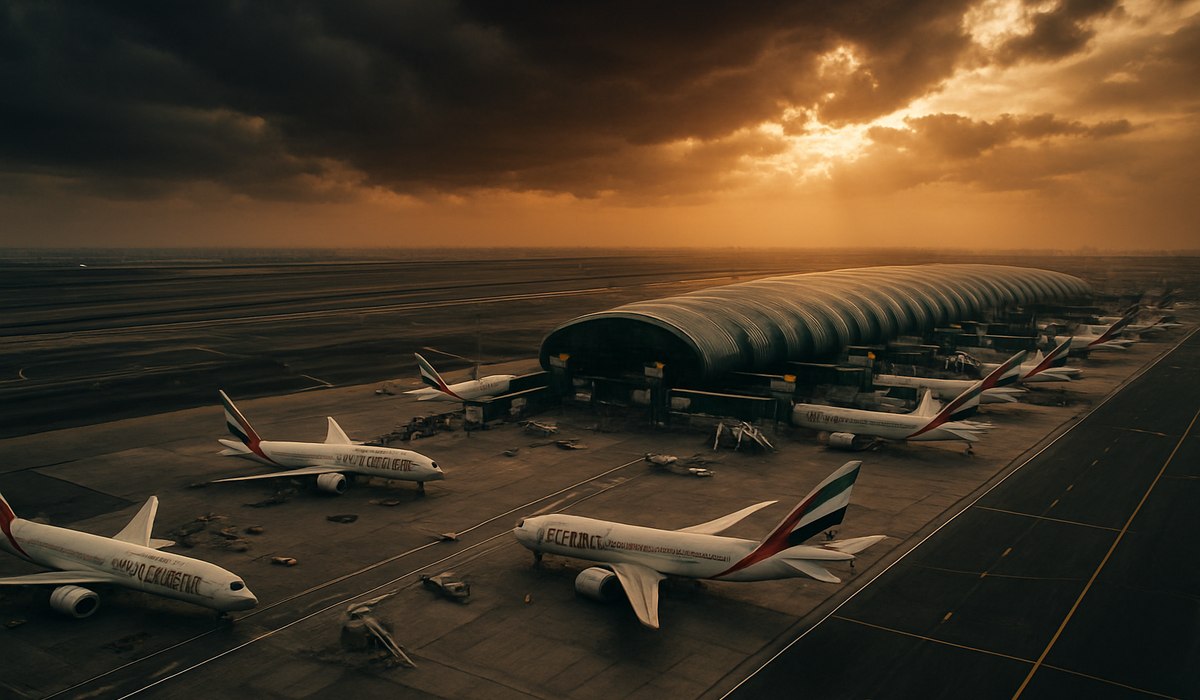
Image generated by AI
Escalating Conflict Transforms Middle East Airports Into Crisis Mode
Iran-Israel military tensions are forcing the Middle East's premier hub airports into unprecedented managed shutdowns. Dubai International, Hamad International in Doha, and Abu Dhabi International have all implemented rolling capacity reductions, temporary closures, and operating window restrictions as authorities respond to missile, drone, and debris threats across the region. Beginning in early March 2026 and intensifying through April, these three mega-hubs—which typically process over 300 million passengers annually—have shifted from seamless global gateways into constrained bottlenecks. The conflict is creating cascading delays, hundreds of daily cancellations, and forcing airlines to completely remap flight networks that connect Europe, Asia, Africa, and the Americas. Ground stops, diversions, and crew rotation disruptions are rippling through secondary airports from Cairo to Riyadh, stranding thousands of passengers and forcing rebooking onto already saturated alternate routes.
From Global Gateways to Managed Bottlenecks: How Conflict Is Reshaping Middle East Aviation
The Middle East airports that once facilitated frictionless long-haul connections have become operational pressure points. Dubai International briefly halted all operations during Iranian missile activity in early March, then reopened with severely constrained schedules limiting departures to narrow operating windows. Current flight tracking shows hundreds of cancellations weekly, with ground holds extending average airport dwell times by 6–8 hours. Hamad International in Doha moved from complete shutdown to selective evacuation-only operations under special airspace corridors, effectively converting the hub from a round-the-clock connector into a tightly managed cargo and repatriation node. Abu Dhabi International has similarly reduced movement slots and implemented strict altitude restrictions as drone interception activity continues overhead. Industry observers tracking FlightAware data note that the central Gulf corridor remains largely blocked at times, forcing carriers to detour via northern (Turkey) or southern (Egypt, Saudi Arabia) routes that add 2–4 flight hours per journey and dramatically reduce daily aircraft utilization. Airspace closure maps published by regional aviation authorities describe intermittent restrictions at all altitudes, with last-minute reroute orders creating cascading ripple effects across the entire network.
Dubai, Doha, Abu Dhabi: Status Updates on the Region's Busiest Hubs
Dubai International has reopened following brief closure but operates at roughly 40% of normal capacity. As of mid-April 2026, the airport processes approximately 200–250 departures daily (versus the typical 600+). Emirates and flydubai have consolidated flight banks, reduced frequency on non-essential routes, and deployed smaller aircraft where demand permits. Passenger advisories urge travelers not to proceed to the airport without confirmed rebooking confirmation; the airline waivers extend through at least late April.
Hamad International (Doha) remains the most severely restricted of the three mega-hubs. Qatar Airways suspended regular commercial passenger operations in early March and has transitioned to limited repatriation flights and cargo-only services under special airspace authorization. The airport typically handles 200+ daily departures; current operations are estimated at 15–20 flights daily, nearly all non-revenue or special evacuation flights. Airlines including Philippine carriers, Malaysian carriers, and Singapore-based operators have cancelled services into Doha through late April.
Abu Dhabi International has reduced movements to roughly 50% of normal levels while maintaining selective operations. Etihad Airways, the primary carrier, has trimmed schedules, suspended redundant regional flights, and implemented mandatory crew rest extensions due to extended flight times on rerouted corridors. The airport currently processes approximately 250–300 departures daily versus standard 500+ capacity.
Secondary hubs including Cairo International, King Fahd International (Riyadh), and Prince Muhammad bin Abdulaziz International (Jeddah) are absorbing spillover traffic but remain severely constrained. Industry trackers reported 300+ delayed departures in a single day at Cairo on April 8, 2026, as rerouted connections and disrupted crew rotations pushed schedule banks beyond normal capacity.
Ripple Effects: Secondary Airports and Rerouted Networks Absorb Spillover Disruption
The disruption extends far beyond the three primary hubs. Airlines worldwide are rerouting traffic through alternate Middle East airports and completely avoiding the region's central corridor. Egypt's Cairo International, Saudi Arabia's Riyadh hub, and Jeddah's Prince Muhammad bin Abdulaziz have all experienced elevated delays and congestion as rerouted long-haul traffic funnels through these secondary gateways. Crew rotation schedules have fractured, creating cascading delays at hubs across Asia, Europe, and Africa as aircraft return to base cycles stretch by 8–12 hours due to extended reroute flight times.
Global carriers including Air France, Lufthansa, British Airways, and major Asian airlines have either suspended services into the Middle East entirely or rerouted via longer oceanic pathways (North Atlantic westbound, southern Indian Ocean eastbound) that reduce fuel efficiency and dramatically increase operating costs. This geographic shift is siphoning billions in revenue from Gulf carriers while compelling passengers onto alternative hubs including Istanbul, Bangkok, and Singapore—adding 4–8 flight hours to typical itineraries. Cargo networks have also fractured; the Middle East typically handles 30–40% of global air freight, and current disruptions are forcing shippers to utilize slower surface routes or pay premium rates for capacity via alternate air corridors.
Gulf Super-Connectors Cut Capacity and Rebuild Networks
The region's so-called super-connector airlines face their sharpest operational shock since the COVID-19 pandemic. Qatar Airways confirmed temporary suspension of regular passenger operations in early March following Qatari airspace closure. The carrier has introduced limited repatriation flights under special corridor authorization, effectively converting Doha from a 24/7 connecting hub into a managed evacuation node. Public statements indicate that broad commercial schedule recovery is not anticipated before June 2026 at earliest.
Emirates and flydubai have moved through multiple disruption phases since early March. Both carriers have executed extensive cancellations, implemented rolling rebooking policies, and consolidated flight banks into narrower operating windows. Passenger alerts explicitly recommend not proceeding to Dubai airports without confirmed rebooking confirmations. Frequency consolidation and deployment of smaller aircraft on volatile routes reflect airline efforts to match capacity to reduced demand and compressed operating windows.
Etihad Airways, based at Abu Dhabi International, has similarly trimmed schedules, suspended select regional routes, and modified flight paths to avoid higher-risk airspace. Regional competitors including Oman Air and Gulf Air have likewise reduced frequencies and adjusted network strategy. Aviation risk consultancies note that the central Middle East corridor remains largely blocked, forcing reliance on more southerly or northerly tracks that add hours of flight time and constrain daily aircraft utilization by 15–20% per aircraft.
Southeast Asian carriers including Philippine Airlines, Malaysia Airlines, and Cathay Pacific have cancelled multiple services into Doha and Dubai through at least late April 2026. Flexible rebooking waivers and extended change policies signal that stakeholders anticipate disruptions extending well beyond initial conflict flare-ups.
Airspace Closures, Reroutes, and Rising Operational Risk
Airspace closures are the core driver of current disruption. A patchwork of restrictions spanning Iran, Iraq, segments of the Persian Gulf, and portions of the Eastern Mediterranean has severed traditional East-West trunk lanes intermittently. Security advisories published through April describe shifting restrictions at all altitudes, intermittent closures, and persistent risk of interception activity triggering last-minute diversions. Specialist aviation bulletins characterize the central corridor over Iran and neighboring airspace as highly constrained, pushing carriers toward detours via Turkey (north
Disclaimer
This article is for informational and educational purposes only. It does not constitute legal, financial, or professional advice. While we strive to provide accurate and up-to-date information, travel policies, regulations, and conditions change rapidly. Always verify information with official sources before making travel decisions. Nomad Lawyer makes no representations about the accuracy, reliability, completeness, or suitability of the information provided. Readers should consult qualified professionals for advice specific to their circumstances. The views expressed in this article are those of the author and do not necessarily reflect the views of Nomad Lawyer.
Kunal K Choudhary
Co-Founder & Contributor
A passionate traveller and tech enthusiast. Kunal contributes to the vision and growth of Nomad Lawyer, bringing fresh perspectives and driving the community forward.
Learn more about our team →