
US Visa Rejection Crisis Sweeps Asia Amid Stricter Screening Rules
Tighter visa scrutiny by the US State Department triggers high rejection rates across Asia, disrupting F-1 student and tourist travel plans.

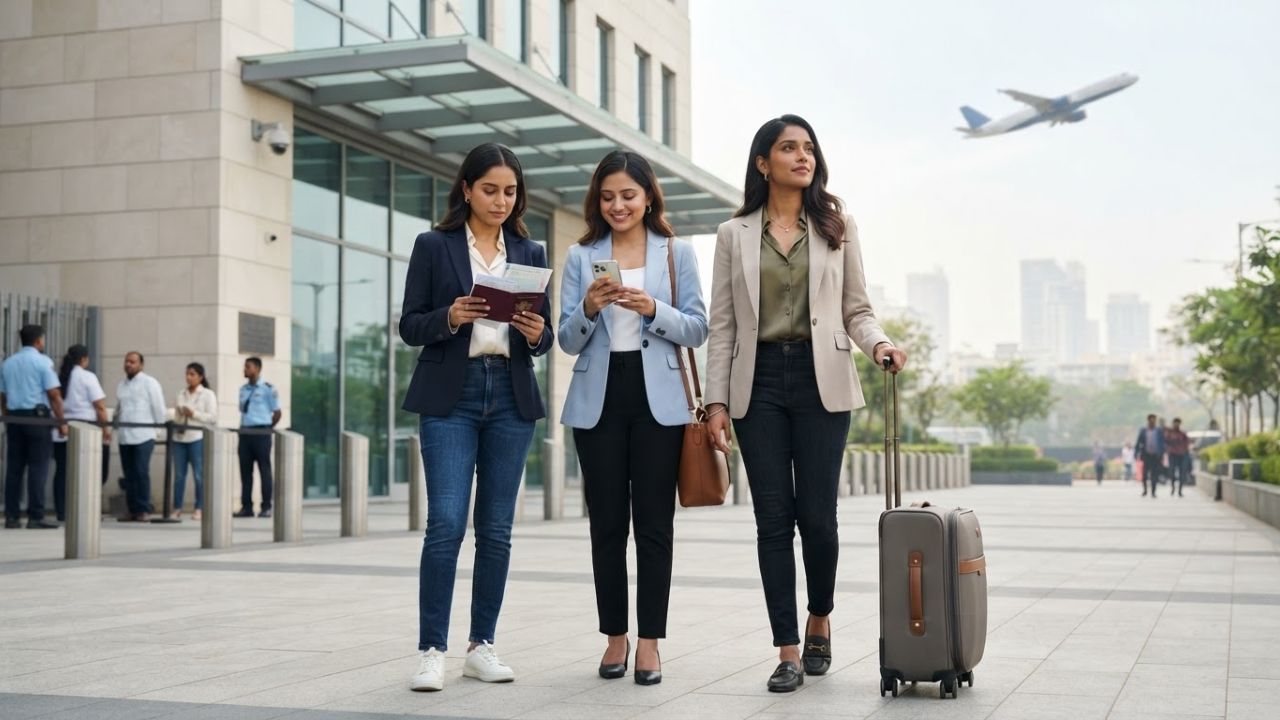
Image generated by AI
Stricter security screenings and updated financial audits by American authorities have triggered a US visa rejection crisis across Asia, with denial rates exceeding 60% in several key markets.
On August 7, 2026, immigration data confirmed that the US Department of State has intensified scrutiny of non-immigrant applications, including F-1 student visas and B-1/B-2 tourist and business visas. The enhanced screening checks focus on verifying financial capacity, checking travel history, and assessing applicants' ties to their home countries to prevent potential overstays.
India and South Asian Markets Face Steep Declines
India is among the hardest-hit travel sectors under the stricter US entry protocols. Reports analyzed by the Centre for Immigration Studies show a dramatic drop in F-1 student visa approvals:
- India F-1 Visa Volume: F-1 visas issued to Indian students fell 62%, dropping from 58,694 between May and August 2024 to 22,149 during the same period in 2025. The current estimated rejection level sits near 61%.
- Nepal Refusal Pressure: Nepal has recorded some of the highest F-1 student rejection rates in Asia, reaching approximately 81% due to strict document verification.
- Bangladesh Denials: Bangladesh faces an F-1 rejection rate of approximately 73%, alongside a 61.45% refusal rate for tourist B-visas in fiscal year 2025.
- Pakistan Scrutiny: F-1 student visa rejections in Pakistan hover around 71% due to enhanced security background checks.
These shifts mirror global Western immigration changes, similar to the F-1 vetting changes explained in Canada's Visa Refusal Rates Hit 67% for Study Permits: AI Screening and Financial Vetting Reshape Western Immigration in 2026.
Tensions Shift Vetting Patterns in China and East Asia
While South Asian markets face major declines, East Asian markets show different refusal patterns:
- China Vetting Patterns: Chinese F-1 student visas fell 34%, dropping from 61,075 (May–August 2024) to 40,034 (May–August 2025). Scrutiny focuses heavily on technology fields and academic research security.
- Myanmar and Bhutan: Myanmar faces a tourist B-visa refusal rate of around 64%, while Bhutan sits at a 56% denial rate for visitor applications.
The high refusal rates impact airlines operating Asia-US routes and reduce seasonal tourism spending in key destinations like New York, California, Florida, Texas, and Washington.
Vetting Impacts on International Student Mobility
According to the Association of International Educators (NAFSA), the increase in visa rejections is causing many students to reconsider their plans.
Many Asian students choose the US based on post-study opportunities, such as Optional Practical Training (OPT). With growing processing uncertainty, travelers are shifting their focus to alternative destinations—such as the UK, Australia, Germany, and Singapore—which are perceived as offering clearer entry paths. Similar automated financial vetting checks are also affecting European travel, as detailed in Schengen Visa Rejection Rates Surge: Financial Algorithm Screening Now Targets Congo, Nigeria, India in 2026.
Sustainable Local Travel and Remote Vetting
Travelers facing visa delays can practice sustainable tourism by exploring domestic heritage destinations, reducing the carbon footprint associated with long-haul international flights.
For professional collaborations, investing in digital communication tools provides an eco-friendly alternative to international business travel, helping to lower business travel emissions.
Consulate Guide: Interview Scheduling, Home Ties, and Consular Snacks
- Best Booking Window: Schedule your visa interview during the off-peak months of November through January. Embassy consulates are less crowded, and processing times are generally faster than during the summer peak (May to August).
- Consulate Interview Etiquette: Keep your responses under 30 seconds. Speak clearly, look the consular officer in the eye, and only present documents when explicitly requested. Keep the focus on your strong home-country ties.
- Local Culinary Specialties: While waiting near consular offices (such as in Mumbai, New Delhi, or Dhaka), try local street snacks like a spiced potato fritter sandwich (vada pav) or hot sweetened milk tea (chai).
- Under-the-Radar Spot: If your visa process is delayed, take a quiet walk through regional heritage gardens like Sunder Nursery in New Delhi to manage travel stress.
FAQ: US Visa Rejection Crisis 2026
Q1: Why are US visa rejection rates rising in India? Scrutiny has increased on financial documentation, high application volumes, and applicants' plans to ensure compliance with F-1 non-immigrant conditions.
Q2: What is the current student visa rejection rate in Nepal and Bangladesh? Nepal faces a student visa rejection rate of approximately 81%, while Bangladesh sits at around 73% for student applications.
Q3: Which alternative destinations are Asian students choosing? Many applicants are shifting their focus to the UK, Australia, Germany, and Singapore due to more predictable immigration pathways.
Related Travel Guides
The 10 Best Things to Know About US Visa Interview Preparation, According To Reddit
Disclaimer
This article is for informational and educational purposes only. It does not constitute legal, financial, or professional advice. While we strive to provide accurate and up-to-date information, travel policies, regulations, and conditions change rapidly. Always verify information with official sources before making travel decisions. Nomad Lawyer makes no representations about the accuracy, reliability, completeness, or suitability of the information provided. Readers should consult qualified professionals for advice specific to their circumstances. The views expressed in this article are those of the author and do not necessarily reflect the views of Nomad Lawyer.
Kunal K Choudhary
Co-Founder & Contributor
A passionate traveller and tech enthusiast. Kunal contributes to the vision and growth of Nomad Lawyer, bringing fresh perspectives and driving the community forward.
Learn more about our team →