
Volusia County Leads Sustainable Tourism Wave with Innovative Estuary Marine Eco-Tours in the Biodiverse Indian River Lagoon
Volusia County launches conservation-focused hospitality options, utilizing sustainable aquaculture and eco-tours in the Indian River Lagoon.

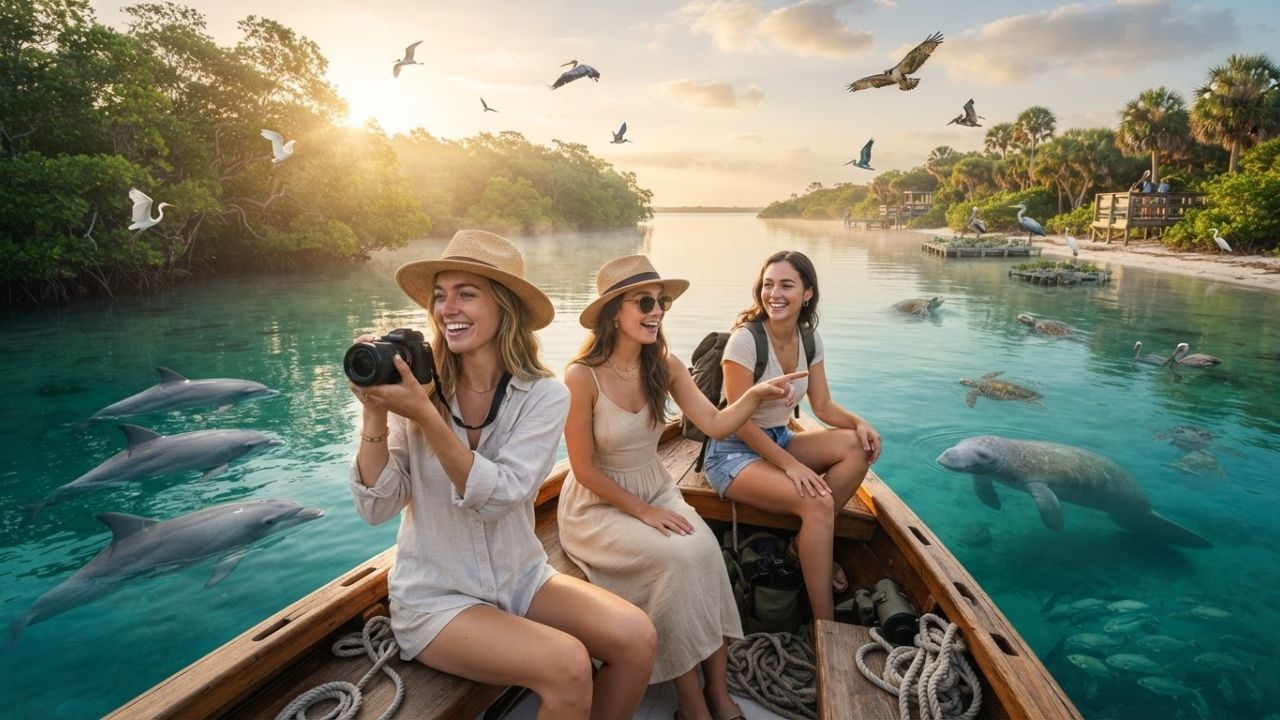
Image generated by AI
A major shift in sustainable travel has emerged in Volusia County, Florida, as the region introduces conservation-focused marine eco-tours. Visitors to the Indian River Lagoon can now participate in local oyster aquaculture restoration programs that clarify critical waterways.
Oyster Aquaculture Expansion Plays a Natural Filtration Role in Regional Estuaries
According to reports, local aquaculture initiatives are helping to repair delicate river ecosystems while creating educational opportunities for travelers.
Protected estuary networks monitored by Florida State Parks show that the Indian River Lagoon and Mosquito Lagoon support diverse fish and bird populations.
To support these habitats, regional businesses are growing oyster populations in submerged enclosures to naturally filter the water.
Because oysters consume micro-algae and organic runoff, expanding these farms directly improves water clarity and marine life nesting sites.
The table below outlines the core components of the region's sustainable travel program, including itinerary logistics and conservation metrics.
Sustainable Tourism Framework and Marine Excursion Guide
| Sustainability Component | Program Detail & Location | Environmental & Visitor Impact |
|---|---|---|
| Estuary Excursions | 3-hour guided tours on classic lobster boats | Education on dolphin, turtle, and manatee habitats |
| Aquaculture Operations | Indian River Lagoon oyster enclosures | Natural filtration of agricultural and urban runoff |
| Shell Recycling Program | Regional New Smyrna Beach restaurants | Repurposing shells to build living shorelines |
| Global Framework Alignment | One Planet Living certification | Standardizes footprint management for tourism |
| Planning Recommendation | 6-month advance reservation | Protects low-impact carry capacities for boats |
Maine Lobster Boat Excursions Offer Close Views of Native Florida Marine Life
Travelers seeking an alternative to commercial beach holidays can book guided tours on restored classic Maine lobster boats.
These three-hour excursions cruise through narrow mangrove channels, allowing passengers to observe wildlife in its natural habitat.
- Avian Watching: Coastal bird sanctuaries provide nesting areas for herons, egrets, osprey, and pelicans.
- Marine Mammals: Bottlenose dolphins and West Indian manatees are frequently spotted near the shallow sandbars.
- Live Harvesting: Tours include demonstrations showing how local growers harvest oysters and monitor carbon sequestration.
These educational experiences allow visitors to support the local environment while enjoying a unique outdoor trip.
Volusia County Aligns Local Tourism Strategies with Global Sustainability Frameworks
Municipal tourism bureaus are collaborating with global environmental organizations to reduce the overall impact of visitor traffic.
The sustainability standards defined by the One Planet Living framework provide a structured approach to destination management.
- Reducing Single-Use Plastics: Local hotels and restaurants are eliminating plastic straws, bags, and containers.
- Constructing Living Shorelines: Discarded oyster shells from dining establishments are repurposed to reinforce eroding shorelines.
- Energy-Efficient Lodging: Green-certified hotels implement solar energy systems and organic waste composting.
This systematic approach helps ensure that economic growth does not compromise the health of the local coastal environment.
Planning Guidelines and Leave-No-Trace Ethics for Visiting Protected Coastal Zones
To protect the seventeen miles of public beaches and waterways, visitors must follow regional outdoor ethics guidelines.
Because these eco-tours have limited capacities to prevent overcrowding, booking reservations early is highly recommended.
- Leave No Trace: Pack out all garbage, minimize noise near nesting areas, and do not feed wild dolphins or manatees.
- Support Certified Businesses: Look for local tour operators and hotels that carry official green certificates.
- Advance Planning: Secure reservations for guided kayak and boat tours at least six months before departure.
By choosing verified sustainable partners, travelers can directly contribute to local conservation efforts.
Why This Matters
Our analysis of regional travel trends indicates that travelers are increasingly choosing destinations that actively protect their natural resources. When local communities combine aquaculture with tourism, they build a resilient economy that protects the environment.
This shows that destination marketing organizations can successfully promote ecology by involving visitors in restoration activities.
For local businesses, these eco-tours provide steady revenue that does not depend on heavy commercial development.
Additionally, public shell recycling programs help build community pride and protect coastlines from rising sea levels.
Ultimately, these sustainable tourism models demonstrate that travel can play a positive role in restoring the earth's ecosystems.
Forward Outlook
Market trends suggest that Volusia County will expand electric passenger boat options to further reduce carbon emissions along the lagoon. Regional tourism boards are projected to introduce digital badges for travelers who complete marine conservation workshops.
Expect local dining establishments to expand farm-to-table menus featuring sustainably harvested seafood. The regional eco-tourism sector is projected to see steady demand through the summer season.
Disclaimer
This article is for informational and educational purposes only. It does not constitute legal, financial, or professional advice. While we strive to provide accurate and up-to-date information, travel policies, regulations, and conditions change rapidly. Always verify information with official sources before making travel decisions. Nomad Lawyer makes no representations about the accuracy, reliability, completeness, or suitability of the information provided. Readers should consult qualified professionals for advice specific to their circumstances. The views expressed in this article are those of the author and do not necessarily reflect the views of Nomad Lawyer.
Kunal K Choudhary
Co-Founder & Contributor
A passionate traveller and tech enthusiast. Kunal contributes to the vision and growth of Nomad Lawyer, bringing fresh perspectives and driving the community forward.
Learn more about our team →