
US Tourism Revival in 2026 Driven by National Parks and Heritage Tours
The United States travel revival in 2026 is driven by immersive national park adventures, historic heritage tours, and the rise of slow travel road trips.

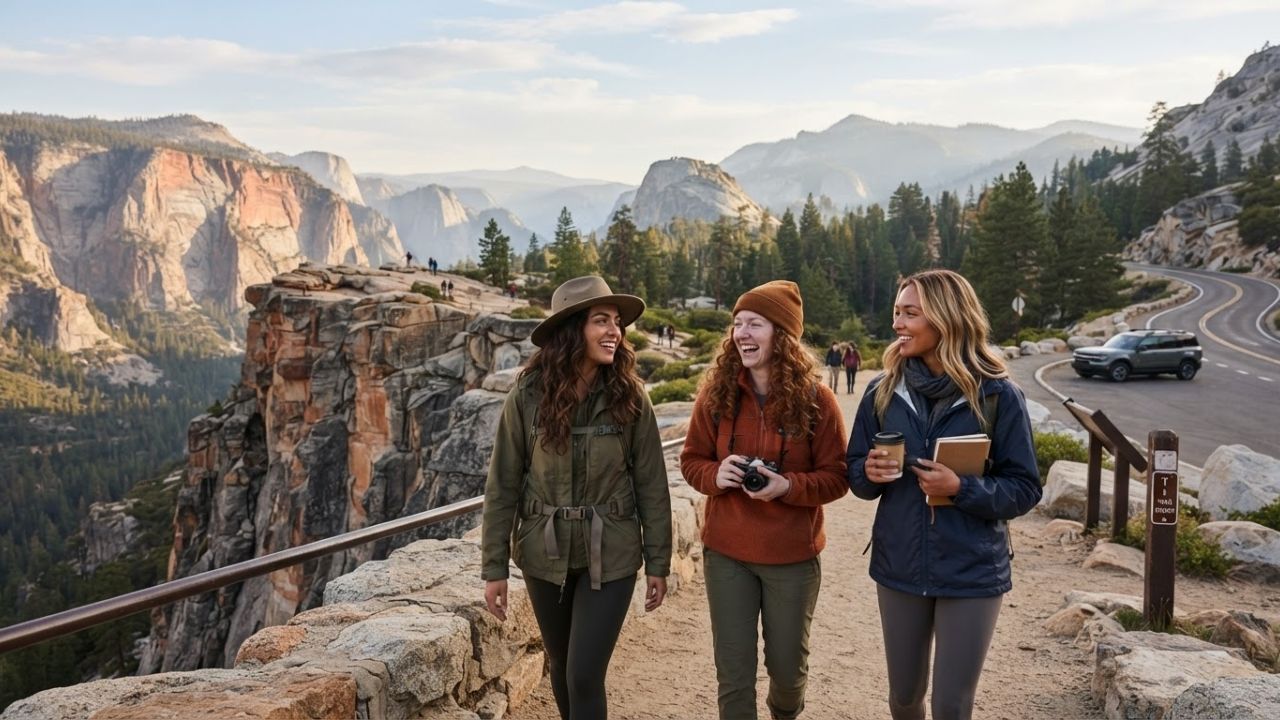
Image generated by AI
The United States is entering a powerful tourism revival in 2026, as travelers shift from passive sightseeing to immersive experience-based journeys. From historic Eastern cities to protected Western wilderness areas, travelers are choosing curated tours that highlight regional heritage, conservation, and slow travel.
The Local Trend Revealed
As traveler preferences evolve, official tourism agencies are recording increased demand for journeys that connect visitors with local communities. According to reports from the National Park Service (NPS), outdoor tourism and heritage travel are driving the travel economy, with visitors seeking deeper narratives behind destinations:
- Heritage Travel in Historic Cities: Cities like Boston, Philadelphia, and Washington D.C. are attracting visitors through interactive historical tours. Travelers are seeking storytelling experiences at landmarks connected to the American Revolution and national identity.
- National Park Conservation Boom: Major natural icons—including the Grand Canyon in Arizona, Yellowstone National Park in Wyoming, and Yosemite National Park in California—continue to attract millions. The focus remains on sustainable outdoor recreation, preserving unique geothermal and forest ecosystems.
- Varied West Coast Itineraries: California is linking urban landmarks (like San Francisco's Golden Gate Bridge) with coastal routes and mountain wilderness. This variety allows travelers to experience multiple environments within a single journey.
- Cultural and Gastronomic Southern Tours: The American South is emerging as a popular destination for travelers seeking regional culinary specialties, music history (jazz and blues), and community festivals.
- Adventure Tourism in Remote States: Alaska's glacial wilderness (featuring Denali National Park) and Hawaii's volcanic islands are drawing travelers interested in indigenous cultures and marine biology.
- Slow Travel and Road Trips: The American road trip is experiencing a resurgence. Travelers are spending more time exploring scenic highways, Southwest deserts, and small towns, choosing the journey itself over simple destination arrivals.
Local Community & Environmental Value
For the visitor, the real impact of this travel revival is the opportunity to support local conservation and community-run economies. By staying at family-owned lodges, hiring local guides, and purchasing Navajo weaving or crafts directly from Native artists in the Southwest, travelers keep tourism spending in local hands.
To minimize the environmental footprint of long journeys, travelers can choose low-carbon transit. Utilizing Amtrak's scenic passenger rail corridors (such as the Empire Builder to Glacier National Park or the Coast Starlight along the Pacific Coast) significantly reduces carbon emissions. Rail transport produces up to 83 percent less greenhouse gases than flying, supporting environmental guidelines monitored by the U.S. Travel Association and Brand USA.
Visitor Insider Tips for Travel in the United States
Travel specialists recommend the following practices for U.S. travel:
- Secure National Park Permits Early: Many parks (like Yosemite and Rocky Mountain) require timed-entry permits during peak summer. Reserve slots via the recreation.gov portal. For multiple park visits, buy the America the Beautiful Interagency Pass for US$80, which provides unlimited access to over 2,000 federal recreation sites for a year.
- Observe the Off-Peak Window: Visit popular national parks during the shoulder seasons of late April to May, or September to October. The weather is mild, wildlife is active, and crowds are significantly smaller.
- Sample Regional Culinary Specialties:
- In Boston: Try fresh New England Clam Chowder or a warm lobster roll.
- In Philadelphia: Order a traditional Philly Cheesesteak (sliced beef and melted cheese on a hoagie roll).
- In the South: Sample wood-smoked Southern Barbecue served with cornbread.
- Observe Wilderness Etiquette: Practice Leave No Trace principles. Pack out all trash, stay on designated trails, and maintain a safe distance from wildlife (especially bison in Yellowstone and bears in Alaska). Tipping of 15 to 20 percent is standard in U.S. restaurants.
- Explore Under-the-Radar Spots: Skip the crowded rim trails at the Grand Canyon and hike nearby Walnut Canyon National Monument to view ancient cliff dwellings. In California, explore the high country at Tuolumne Meadows instead of the crowded Yosemite Valley.
Tourism Outlook
The long-term impact of this experiential trend will solidify the U.S. travel economy's resilience. By diversifying travel choices from major gateways into regional communities, tourism boards can prevent over-tourism and distribute economic benefits to rural areas, supporting heritage preservation objectives monitored by the National Trust for Historic Preservation.
FAQ: U.S. Travel and National Parks
Do I need reservations to visit U.S. national parks in 2026? Several popular parks require timed-entry reservation permits during peak travel seasons. Visitors should check requirements on the NPS portal and book in advance.
What is the best way to save on U.S. national park entry fees? The America the Beautiful pass costs US$80 and covers entry fees at more than 2,000 federal recreation sites, including all national parks, for one full year.
Which historic cities are leading the heritage travel trend? Boston, Philadelphia, and Washington D.C. are the primary destinations leading the heritage tourism market with interactive historic tours.
How does slow travel support local communities? Slow travel encourages visitors to spend more time in smaller regional destinations, staying in local lodges and dining at independent restaurants, which helps keep tourism revenue in local economies.
Related Travel Guides
Disclaimer
This article is for informational and educational purposes only. It does not constitute legal, financial, or professional advice. While we strive to provide accurate and up-to-date information, travel policies, regulations, and conditions change rapidly. Always verify information with official sources before making travel decisions. Nomad Lawyer makes no representations about the accuracy, reliability, completeness, or suitability of the information provided. Readers should consult qualified professionals for advice specific to their circumstances. The views expressed in this article are those of the author and do not necessarily reflect the views of Nomad Lawyer.
Raushan Kumar
Founder & Lead Developer
Full-stack developer with 11+ years of experience and a passionate traveller. Raushan built Nomad Lawyer from the ground up with a vision to create the best travel and law experience on the web.
Learn more about our team →