
Asola Bhatti Plan Launches 10-Year Eco-Tourism and Conservation Initiative
Asola Bhatti Wildlife Sanctuary unveils its transformative asola bhatti plan in 2026, merging sustainable eco-tourism with Aravalli ecosystem protection and community-driven management strategies.

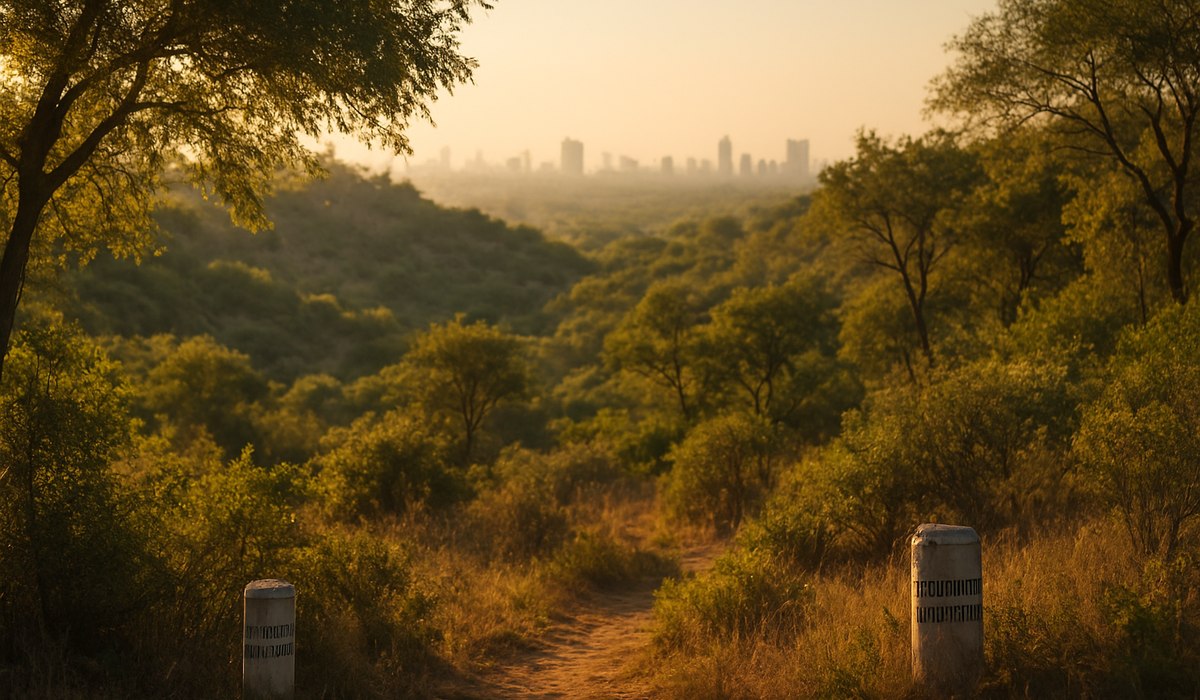
Image generated by AI
Asola Bhatti Plan Transforms Delhi's Premier Wildlife Sanctuary
Asola Bhatti Wildlife Sanctuary has unveiled an ambitious 10-year strategic framework that fundamentally reimagines conservation and visitor engagement across Delhi's most biodiverse landscape. Announced this week, the asola bhatti plan prioritizes sustainable eco-tourism development while safeguarding the fragile Aravalli ecosystem. The initiative addresses the critical human-wildlife interface challenge through community-centered management and livelihood integration. This transformative approach positions the sanctuary as a model for conservation-conscious travel in urban India, enabling visitors to experience pristine wilderness while directly supporting ecological restoration efforts.
Asola Bhatti's New Conservation Blueprint
The asola bhatti plan represents a sophisticated balance between ecological preservation and community prosperity. Rather than restricting access, the sanctuary embraces strategic eco-tourism as a conservation funding mechanism. The framework establishes designated trekking corridors, botanical gardens, and interpretive centers that educate visitors about Aravalli conservation challenges. Zoning protocols separate sensitive breeding areas from recreational zones, protecting vulnerable species while accommodating up to 500 daily visitors during peak seasons.
Community committees formed under the initiative gain decision-making authority over sanctuary management, ensuring local perspectives shape conservation priorities. This decentralized governance model directly engages residents living adjacent to the sanctuary, transforming potential conflict into collaborative stewardship. Livelihood programs create employment through roles as naturalist guides, plant nursery operators, and eco-tourism coordinators. The plan allocates dedicated funding for these community partnerships, recognizing that sustainable conservation depends on local buy-in and economic incentive alignment.
Eco-Tourism Activities and Visitor Experiences
The asola bhatti plan integrates multiple tourism modalities designed to deepen ecological awareness. Guided nature walks led by trained community naturalists reveal the sanctuary's remarkable biodiversity while generating income for local guides. Birdwatching expeditions capitalize on the site's designation as an Important Bird Area, attracting ornithologists and casual bird enthusiasts alike. Early morning sessions target migratory species, while dusk walks document nocturnal fauna.
Citizen science initiatives represent innovation within the framework, enabling visitors to contribute meaningfully to research. Photography surveys, plant identification programs, and wildlife monitoring engage tourists as active conservation participants rather than passive observers. Seasonal festivals celebrating Aravalli flora and fauna create immersive cultural experiences connecting ecological systems to human heritage. Educational workshops on topics including medicinal plants, soil conservation, and wildlife corridors transform the sanctuary into an outdoor classroom. These experiential offerings generate substantial revenue while cultivating long-term conservation advocacy among participants.
Community-Led Management and Livelihoods
The asola bhatti plan prioritizes human dignity and economic sustainability within conservation frameworks. Local committees oversee resource management decisions, incorporating traditional ecological knowledge accumulated across generations. Women-focused employment initiatives create roles in plant propagation, where a dedicated greenhouse conserves and propagates rare Aravalli plant species. These operations simultaneously advance biodiversity protection while providing skilled employment to marginalized populations.
Community rangers trained in wildlife monitoring protect species while building careers in conservation. Tourist guide certification programs elevate employment quality, requiring participants to complete intensive naturalist training. Revenue-sharing mechanisms ensure sanctuary growth directly benefits adjacent villages through healthcare and education investments. This integrated approach transcends charity models, establishing conservation as an economically rational livelihood strategy for communities historically viewed as threats to protected areas.
Biodiversity Protection and Plant Conservation
Aravalli ecosystems face unprecedented pressure from urbanization, with plant diversity declining rapidly across the region. The asola bhatti plan establishes a specialized propagation facility dedicated to rescuing endemic and endangered plant species. Greenhouse operations focus on species endemic to the Aravalli range, including medicinal plants with cultural significance in traditional Indian systems. Restoration initiatives reintroduce propagated specimens into protected micro-habitats, gradually rebuilding degraded landscapes.
The plan documents all plant species within sanctuary boundaries, creating a comprehensive botanical inventory informing future conservation priorities. Habitat restoration work targets grasslands and dry deciduous forests, ecosystems providing critical resources for ungulates, raptors, and small carnivores. Invasive species removal campaigns restore native vegetation, reducing competitive pressure on rare plants. These botanical conservation efforts directly support wildlife populations dependent on specific plant communities, creating cascading ecosystem benefits beyond individual species protection.
Implementation Timeline and Resource Allocation
| Metric | Target | 2026 Status | Community Benefit |
|---|---|---|---|
| Daily visitor capacity | 500 | 200 current | Guide employment (25+ roles) |
| Plant species propagated | 50 endemic varieties | 18 in development | Nursery jobs (15+ positions) |
| Community committee coverage | 8 local groups | 5 operational | Decision-making authority |
| Training hours annually | 2,000 naturalist certification | 400 completed Q1 | Career advancement pathway |
| Annual revenue from eco-tourism | ₹2.5 crores | ₹45 lakhs to date | Village livelihood contributions |
| Habitat restoration area | 200 hectares | 30 hectares completed | Biodiversity recovery metrics |
| Women employment percentage | 40% of positions | 35% achieved | Economic independence initiatives |
What This Means for Travelers
The asola bhatti plan creates meaningful opportunities for conscious travelers seeking authentic conservation engagement. Here's how visitors can participate responsibly:
1. Book guided nature walks with certified community naturalists, directly supporting local employment while gaining expert ecological insights unavailable through independent exploration. These guides possess intimate knowledge of wildlife behavior, seasonal patterns, and Aravalli natural history.
2. Participate in citizen science programs during visits, contributing genuine research data while deepening personal ecological understanding. Participants often report transformative perspective shifts regarding conservation complexity and environmental responsibility.
3. Purchase propagated plants from sanctuary nurseries, supporting both plant conservation and community livelihoods. Take native species home and cultivate them in personal gardens, extending sanctuary restoration efforts.
4. Attend seasonal festivals celebrating Aravalli ecology, experiencing cultural dimensions of conservation while supporting tourism-dependent community members during peak engagement periods.
5. Visit during shoulder seasons (September-November, February-April) to reduce ecological pressure during wildlife breeding cycles while still enjoying exceptional biodiversity experiences and avoiding overwhelming crowds.
6. Share visitor experiences transparently, helping future travelers understand conservation requirements and community perspectives. Honest reviews acknowledging both accomplishments and ongoing challenges strengthen the sanctuary's adaptive management capacity.
Frequently Asked Questions
Q: What wildlife species inhabit Asola Bhatti sanctuary currently? A: The sanctuary protects ungulates including sambar deer and nilgai, plus small carnivores, wild boar, and over 250 bird species. Raptors including eagles and vultures represent critical indicators of ecosystem health, benefiting directly from Aravalli habitat restoration.
Q: Can I visit independently or must I book guided tours? A: The asola bhatti plan requires structured visitor participation through designated trails and guided programs. This policy protects sensitive areas while ensuring environmental monitoring. Independent exploration remains restricted to public pathways accessible year-round.
Q: How much revenue from eco-tourism reaches local communities? A: Community revenue-sharing mechanisms allocate substantial tourism income directly to adjacent villages through healthcare initiatives, education support, and direct employment. The plan targets 40% women participation in tourism-linked roles.
Q: What makes Aravalli conservation significant for India's biodiversity? A: The Aravalli range represents one of India's oldest mountain systems with exceptional plant endemism and wildlife diversity. This range faces severe urbanization pressure across Delhi, Haryana, and Rajasthan, making sanctuary-based conservation critical for species survival.
Related Travel Guides
Disclaimer
This article is for informational and educational purposes only. It does not constitute legal, financial, or professional advice. While we strive to provide accurate and up-to-date information, travel policies, regulations, and conditions change rapidly. Always verify information with official sources before making travel decisions. Nomad Lawyer makes no representations about the accuracy, reliability, completeness, or suitability of the information provided. Readers should consult qualified professionals for advice specific to their circumstances. The views expressed in this article are those of the author and do not necessarily reflect the views of Nomad Lawyer.
Preeti Gunjan
Contributor & Community Manager
A passionate traveller and community builder. Preeti helps grow the Nomad Lawyer community, fostering engagement and bringing the reader experience to life.
Learn more about our team →