
Oregon Nestled Mountains: Hidden Forest Retreat with Waterfalls and Trails
Oregon nestled mountains reveal a spectacular state forest destination in 2026. This hidden gem combines cascading waterfalls, extensive hiking networks, and established camping facilities for nomads and outdoor enthusiasts seeking scenic retreats.

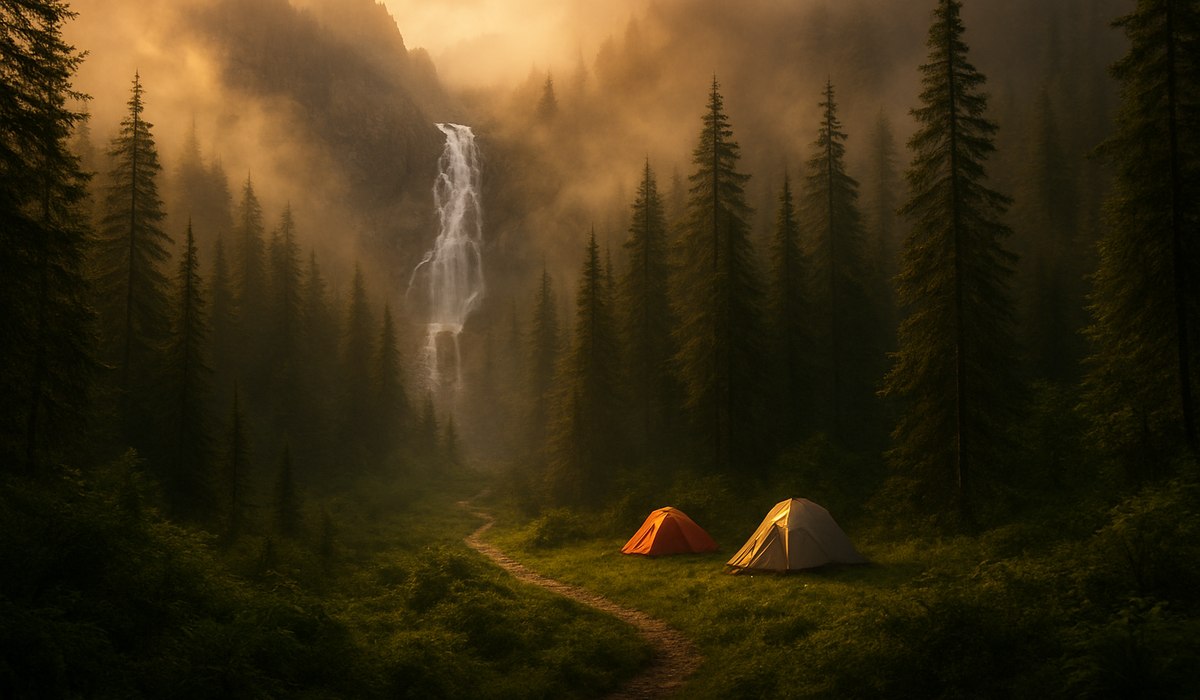
Image generated by AI
Oregon's Hidden Mountain Sanctuary Emerges as Premier 2026 Destination
Oregon nestled mountains continue to captivate adventurers and remote workers seeking pristine wilderness experiences. With approximately half of Oregon's landscape covered in dense forest, the state harbors remarkable natural areas that remain relatively undiscovered by mainstream tourism. This scenic state forest destination combines world-class waterfall viewing, professionally maintained hiking corridors, and fully-equipped camping infrastructure—making it an ideal retreat for digital nomads, outdoor enthusiasts, and nature photographers throughout 2026.
The region's geological formation creates spectacular cascading waterfalls that plunge through ancient rocky terrain, while established trail networks guide visitors through old-growth forest ecosystems. The combination of accessibility and pristine conditions distinguishes this location from overcrowded national parks and commercial tourist destinations.
Location and Access: Getting to Oregon's Hidden Forest Gem
This scenic destination sits within Oregon's vast forest system, accessible via well-maintained highways and secondary roads. The primary entry points connect to major regional towns, with parking facilities adjacent to trail heads and camping areas.
The journey typically requires four to six hours from Portland International Airport. Regional transportation options include rental vehicles, shuttle services, and seasonal tour operators specializing in forest recreation. For travelers utilizing rail connections, Oregon's passenger rail network provides connections to gateway cities, though local ground transportation becomes necessary for final approach. Check Amtrak's Pacific Northwest routes for corridor service linking major hubs to regional stations.
Seasonal road conditions occasionally require alternative routing during winter months. Summer access roads remain fully operational with minimal restrictions. The forest service maintains updated condition reports on their official platforms, ensuring visitors plan accordingly before departure.
Waterfall Hikes and Scenic Trails
The Oregon nestled mountains forest features multiple waterfall circuits ranging from easy day walks to challenging backcountry expeditions. Primary cascades descend between 80 and 200 feet, creating dramatic photographic opportunities and refreshing swimming holes during warmer months.
Established hiking trails vary from 2-mile loops to 12-mile circuits accommodating different fitness levels and time commitments. Well-maintained pathways feature interpretive signage explaining local ecology, geological history, and forest management practices. Trail surfaces range from boardwalk sections through marshy areas to rocky scrambles ascending ridge lines.
Advanced hikers can access scenic viewpoints overlooking multiple drainage systems and distant volcanic peaks. These elevated vistas provide perspective on the forest's immense scale and biodiversity. Spring conditions create optimal waterfall flow rates, while autumn weather offers cooler temperatures and reduced insect populations.
Many visitors prioritize sunrise hikes to capture golden-hour photography and minimize trail congestion. Evening excursions reward visitors with wildlife viewing opportunities including deer, elk, and various bird species throughout the canopy layers.
Camping Facilities and Amenities
The state operates multiple camping zones accommodating diverse traveler preferences and budgets. Standard campsites include picnic tables, fire rings, and vehicle parking with easy tent setup access. Premium facilities feature electrical hookups, water connections, and shower houses suitable for extended stays.
Capacity ranges from intimate 10-site compounds to larger 60-site facilities with ranger stations and interpretive centers. Reservations open quarterly through the state recreation portal, filling quickly during peak summer months. Off-season camping remains available with reduced amenities and no reservation requirements.
Each camping area maintains waste management facilities, potable water supplies, and emergency communication systems. Ranger programs offer evening campfire talks covering local natural history, wildlife behavior, and outdoor skills development. General stores at larger facilities stock camping supplies, firewood, and convenience items for visitors arriving unprepared.
Nearby towns provide additional lodging options including vacation rentals, small inns, and family-owned hotels catering to forest visitors preferring alternative accommodations.
Best Time to Visit Oregon's Nestled Mountains
Seasonal timing significantly impacts visitor experience, trail conditions, and wildlife activity patterns. Summer months (June through August) offer warm temperatures, reliable weather, and maximum facility operations. Peak attendance occurs during this window, particularly on weekends and holidays.
Spring (April through May) delivers exceptional waterfall viewing as snowmelt amplifies cascade flow rates. Wildflower blooms create colorful forest understory displays. Cooler temperatures and moderate crowds make shoulder-season visits particularly appealing for serious hikers.
Autumn (September through October) provides crisp morning air, reduced insect pressure, and dramatic foliage color transitions. Weather remains stable through mid-October, though afternoon rain becomes increasingly probable toward season's end.
Winter visitation requires specialized equipment and preparation, with snow accumulation above 4,000 feet elevation creating hazardous trail conditions. Many facilities reduce services, though dedicated winter recreation enthusiasts utilize the forest for snowshoeing and cross-country skiing.
How to Book the Best Fare and Reserve Your Visit
Oregon's state recreation system operates an integrated reservation platform managing camping allocations, day-use permits, and facility bookings. Creating an account allows visitors to save preferences, track confirmations, and access mobile ticketing throughout their journey.
Booking strategies for cost optimization include selecting weekday dates instead of weekend periods, reserving shoulder-season timeframes (April-May or September-October), and registering early for summer availability. Many facilities offer discounted rates for extended stays exceeding seven consecutive nights.
Day-use passes provide access to hiking trails, parking areas, and picnic facilities without overnight camping requirements. These permits cost significantly less than campsite reservations while offering full trail access and facility amenities.
Consider purchasing annual passes providing unlimited access across all state-operated recreation areas throughout Oregon. For frequent visitors, annual passes typically pay for themselves within three visits. Multi-day permits bundling camping with day-use access provide additional savings for extended forest retreats.
Download mobile applications enabling real-time reservation status monitoring, interactive trail maps, and weather condition updates before departing for the forest.
Key Facts About Oregon's Scenic Mountain Forest Destination
| Feature | Details |
|---|---|
| Total Forest Area | Over 16,000 acres of protected state forest land |
| Primary Waterfalls | 8-12 major cascades ranging from 80-200 feet elevation drop |
| Established Trails | 40+ maintained hiking routes covering 120+ miles |
| Camping Capacity | 150+ campsites across multiple developed facilities |
| Elevation Range | 2,000-6,400 feet above sea level |
| Best Visitation Period | May through October provides optimal weather and accessibility |
| Annual Visitors | Approximately 45,000-60,000 annual visits to primary facilities |
| Nearest Major City | Portland, Oregon (90-120 minute driving distance) |
| Wildlife Species | Black bears, elk, Roosevelt deer, mountain lions, numerous bird species |
| Average Trail Distance | 2-12 miles depending on specific circuit |
What This Means for Travelers Planning 2026 Visits
This emerging destination offers substantial advantages for digital nomads, sabbatical travelers, and extended adventure seekers exploring Oregon's scenic mountain regions:
-
Flexible Duration Stays — Multi-week camping arrangements accommodate remote workers establishing temporary forest base camps with reliable weather and established infrastructure supporting laptop-based productivity.
-
Budget-Conscious Exploration — Day-use rates and off-season camping reduce expedition costs compared to commercial resort accommodations while maintaining access to premium scenic amenities.
-
Networking Opportunities — Popular trailheads and campfire gatherings connect solo travelers with like-minded adventurers, creating spontaneous communities around shared outdoor interests.
-
Professional Photography Access — Waterfall systems, forest canopy structures, and dramatic lighting conditions provide exceptional opportunities for content creators, travel photographers, and social media documentarians.
-
Wellness and Digital Detox — Limited cellular coverage and intentional technology-free recreation spaces support mental health recovery, stress reduction
Disclaimer
This article is for informational and educational purposes only. It does not constitute legal, financial, or professional advice. While we strive to provide accurate and up-to-date information, travel policies, regulations, and conditions change rapidly. Always verify information with official sources before making travel decisions. Nomad Lawyer makes no representations about the accuracy, reliability, completeness, or suitability of the information provided. Readers should consult qualified professionals for advice specific to their circumstances. The views expressed in this article are those of the author and do not necessarily reflect the views of Nomad Lawyer.
Raushan Kumar
Founder & Lead Developer
Full-stack developer with 11+ years of experience and a passionate traveller. Raushan built Nomad Lawyer from the ground up with a vision to create the best travel and law experience on the web.
Learn more about our team →