
US State Department Revokes 600+ Visas in 2026 Crackdown on International Birth Tourism Practices
US authorities have revoked over 600 visas as part of a strict 2026 enforcement strategy targeting birth tourism and visa fraud.

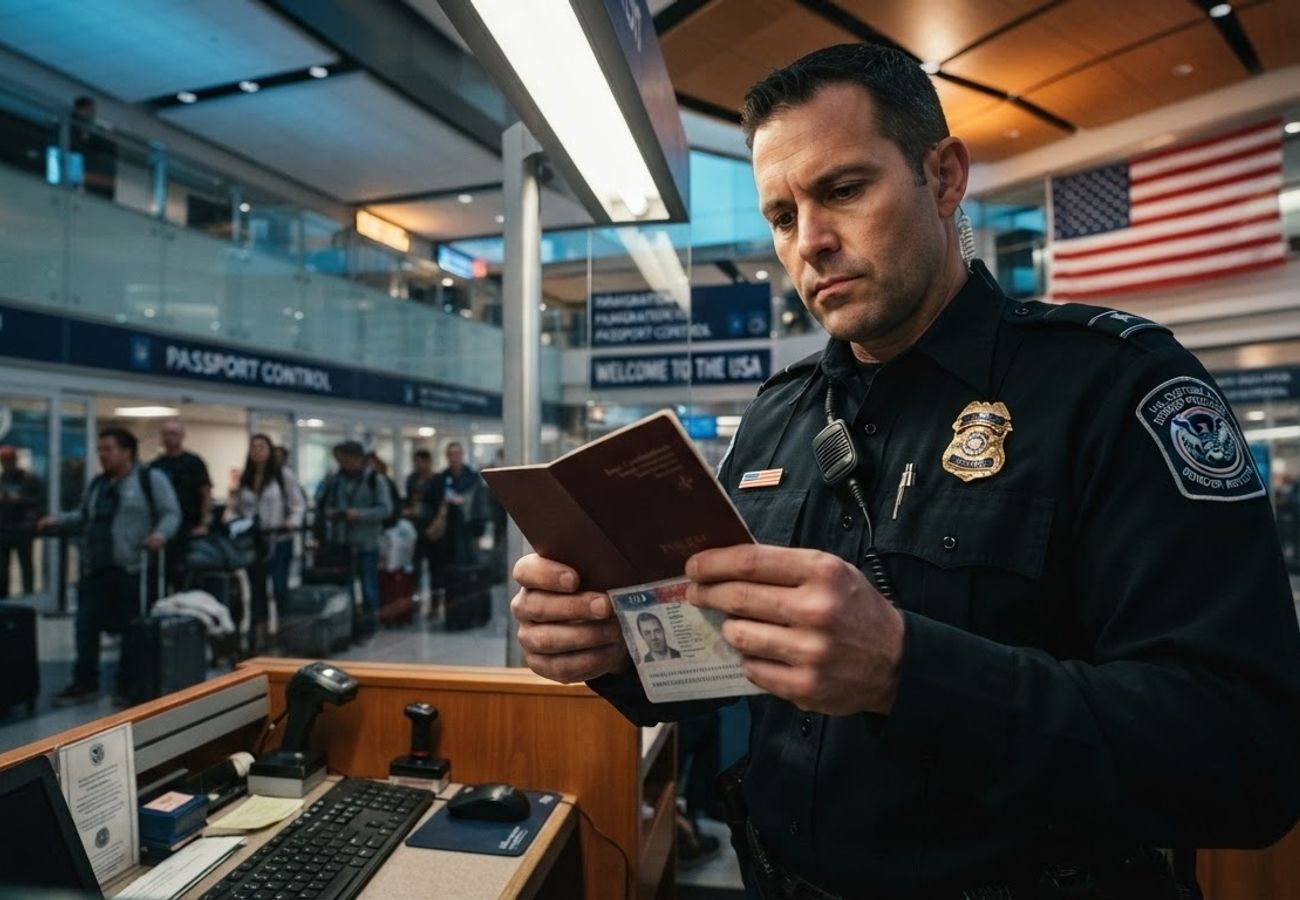
Image generated by AI
US federal authorities have revoked over 600 visas from foreign nationals globally to combat birth tourism. A newly established task force is now implementing aggressive scrutiny of temporary visa holders entering the US for the primary purpose of childbirth.
The Local Trend Revealed
The policy framework of international travel and nonimmigrant entry is experiencing a structural transition as U.S. federal authorities intensify enforcement against "birth tourism." As part of a coordinated interagency strategy, over 600 visas have been revoked from foreign nationals globally. This policy crackdown is designed to protect the integrity of the U.S. immigration system, addressing the practice where foreign nationals travel to the United States on temporary visitor visas (such as B1/B2 visas) with the primary purpose of giving birth on U.S. soil to obtain birthright citizenship for their child under the 14th Amendment. In response to this trend, foreign service posts are receiving specialized training to analyze visa applicant patterns more rigorously.
This regulatory shift is based on an administrative directive issued by President Donald Trump. The order defines birth tourism as entering the country on a temporary visa with the primary objective of giving birth on domestic soil, and it mandates federal agencies to implement strict screening measures. Under this directive, consular and border officials have the authority to deny visa applications, revoke existing permissions, remove travelers at ports of entry, and place permanent inadmissibility bars on individuals found to be in violation. This enforcement marks a clear transition from individual case reviews at borders to a proactive, centralized global prevention program.
For international travelers, the consequences of this policy are profound. The U.S. Department of State has instructed consular offices to exercise broad discretionary authority, revoking visas immediately when potential ineligibility or intent to violate visa terms is detected. Case studies highlight the severity of these revocations. In one instance, a couple's visas were revoked after they claimed to be traveling to the U.S. to attend a professional conference, but were found to have arranged medical care for childbirth. In another case, an individual extended a short professional stay to three months specifically for childbirth, resulting in visa revocation and future entry restrictions. These actions show that the core focus of the enforcement is stopping deliberate deception and visa fraud.
Cultural & Environmental Value (Information Gain & Experience)
This enforcement strategy directly targets commercial facilitation networks that have developed around birth tourism. These operators often market their services under the guise of wellness advocates, medical tourism facilitators, or midwives. They promise clients automatic birthright citizenship, arranging hospital stays, visa coaching, and preparing forged medical documents to deceive consular officers. By dismantling these networks, the U.S. government aims to remove the commercial infrastructure supporting system evasion.
For the visitor, the real impact of this stricter enforcement is the absolute requirement for transparency during the visa application and entry process. Travelers must provide clear proof of their temporary intent, ties to their home country, and the specific purpose of their visit. If medical travel is intended, it must be declared upfront, with proof of the ability to pay for all medical costs.
This focus on compliance encourages travelers to prioritize authentic, low-impact travel. Rather than commercialized travel programs, visitors can support local communities by staying in family-owned accommodations, dining at independent restaurants, and exploring regional heritage. Choosing community-run tourism support organizations and local tour operators ensures that tourism spending directly supports the local economy. In the U.S., exploring national and state parks under Leave No Trace principles, and utilizing passenger rail networks (such as Amtrak) instead of short-haul domestic flights, supports sustainable travel practices while respecting local regulations.
Visitor Insider Tips
To ensure a seamless and compliant travel experience when visiting the United States, destination specialists and travel advisors offer the following practical tips:
-
US Entry and Visa Compliance Tips:
- Declare True Travel Intent: Always state the primary purpose of your travel during visa interviews and at border checkpoints. If you require medical treatment in the U.S., declare it honestly and provide documentation showing you have paid the necessary deposits.
- Prepare Supporting Documents: Carry paper copies of your return flight tickets, hotel reservations, and official invitations (e.g., conference registration, business meetings) to show your temporary stay plans.
- Understand the Burden of Proof: The burden of proof rests on the traveler to demonstrate that they do not intend to overstay or violate their nonimmigrant visa status. Presenting clear bank statements and employment letters can help establish your strong economic ties to your home country.
- Avoid unverified facilitation networks: Do not utilize commercial operators offering "visa coaching" or medical packages designed to conceal pregnancy or travel intent.
-
United States Visitor Insider Tips:
- Tipping Etiquette: In the U.S., tipping is customary for table service in restaurants (standard is 18% to 20% of the pre-tax bill), taxi/rideshare drivers (10% to 15%), and hotel porters ($1 to $2 per bag).
- Entry Screening Protocol: When entering the U.S. through customs at gateways like JFK, LAX, or Chicago O'Hare, declare all food items, seeds, and agricultural products. Failure to declare prohibited items can lead to immediate fines and visa cancellation.
- Under-the-Radar Spot: If visiting New York City, skip the crowded High Line and spend a quiet afternoon at the Elevated Acre, a hidden green rooftop park in Lower Manhattan offering views of the East River.
- Off-Peak Travel Window: Travel to the U.S. in September or October to enjoy pleasant autumn weather and lower hotel rates across major cities.
Tourism Outlook
The long-term outlook for international travel to the United States will be shaped by the continued enforcement of these visa regulations. As the State Department and U.S. Customs and Border Protection (CBP) utilize a centralized, data-driven task force, screening processes for visitors will remain highly analytical, focusing on travel history, past lengths of stay, and medical arrangements. Immigrant advocacy groups and international student advisors are actively monitoring these developments to ensure that travelers are not unfairly targeted during routine travel checks, which could temporarily affect tourist numbers from certain regions.
For the travel industry, this crackdown emphasizes the need for transparency in marketing travel services. Legitimate medical tourism must be clearly distinguished from birth tourism, and operators must ensure their clients are fully compliant with nonimmigrant visa categories. Travel agencies are advised to inform clients about the importance of holding comprehensive documentation regarding their medical history and treatment plans. While the administration's policy does not prevent individuals from traveling to the U.S. for legitimate medical care, it enforces strict boundaries to prevent the misuse of tourist visas.
Ultimately, by promoting compliance, honest documentation, and responsible tourism practices, the global travel community can adapt to these stricter regulatory environments. This ensures that the United States remains a welcoming destination for international tourists, business professionals, and students who respect local laws. For travelers, maintaining clear records, presenting honest itineraries, and avoiding unverified immigration networks remains the most reliable way to enjoy their journeys while protecting their ability to travel to the U.S. in the future.
Related Travel Guides
- Shanghai’s $585 Million Tourism Investment 2026: 5 Landmark Projects to Redefine Global Travel
- Senegal Expands Heritage Tourism Beyond Dakar
- Turks and Caicos Shines as a Luxury Safest Travel Destination Appealing Millions of Luxury Travellers from United States, United Kingdom and Canada, Here’s What Most Tourist Don’t Realise
Disclaimer
This article is for informational and educational purposes only. It does not constitute legal, financial, or professional advice. While we strive to provide accurate and up-to-date information, travel policies, regulations, and conditions change rapidly. Always verify information with official sources before making travel decisions. Nomad Lawyer makes no representations about the accuracy, reliability, completeness, or suitability of the information provided. Readers should consult qualified professionals for advice specific to their circumstances. The views expressed in this article are those of the author and do not necessarily reflect the views of Nomad Lawyer.
Raushan Kumar
Founder & Lead Developer
Full-stack developer with 11+ years of experience and a passionate traveller. Raushan built Nomad Lawyer from the ground up with a vision to create the best travel and law experience on the web.
Learn more about our team →