
US State Department Issues Level 2 Travel Advisory for Brazil Citing Kidnapping and Crime Risks 2026
The US government has upgraded its travel advisory for Brazil to Level 2, warning tourists of kidnapping and violent crime risks in urban centers and border regions.

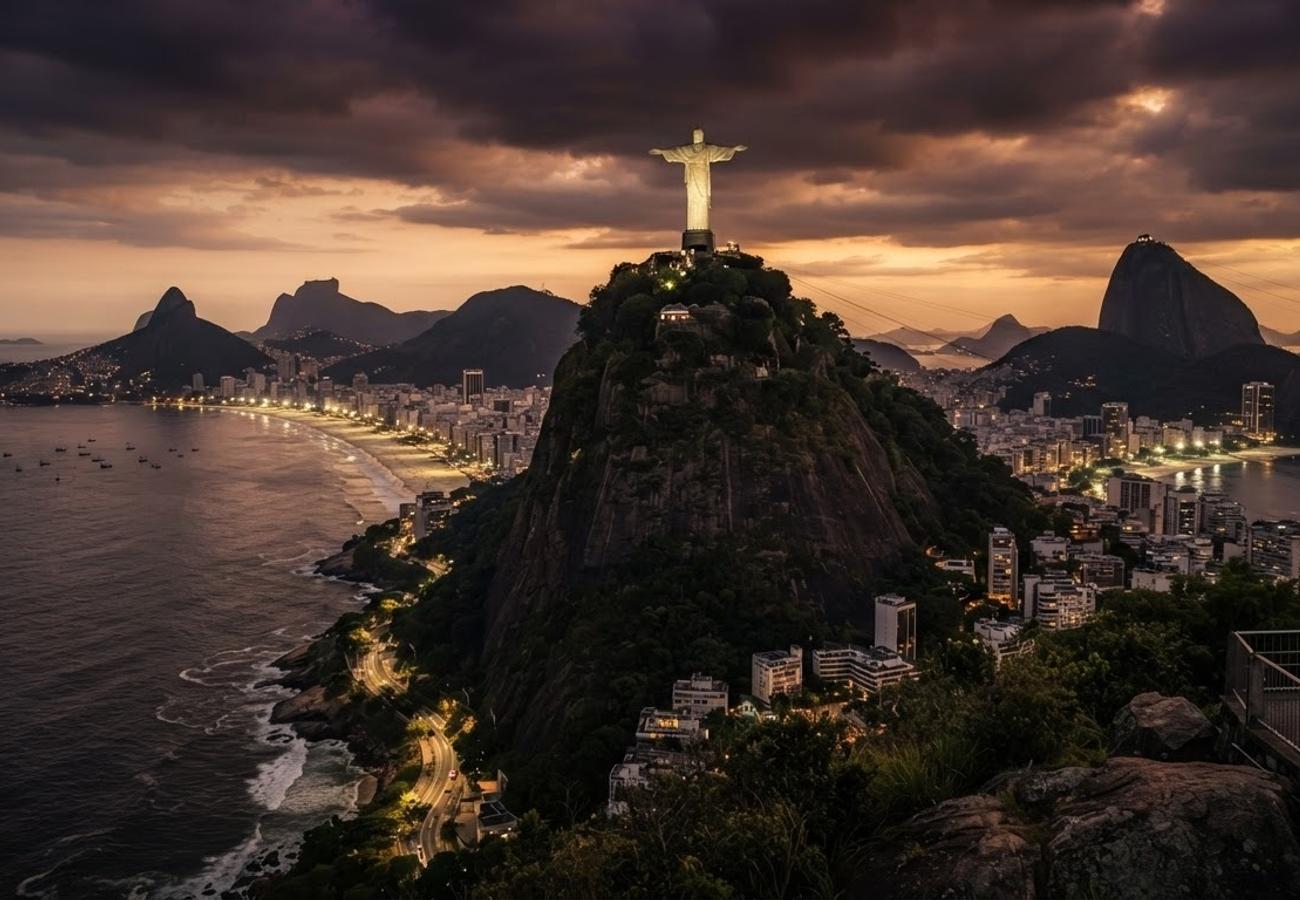
Image generated by AI
The US State Department has officially classified Brazil as Level 2 – Exercise Increased Caution, warning international visitors of escalating risks involving kidnapping and violent crime. While the nation remains a global tourism powerhouse, new security directives highlight critical dangers in urban centers and a strict "Do Not Travel" warning for border zones.
Brazil continues to be a primary destination for millions of global travelers drawn by the Amazon rainforest, the vibrancy of Carnival, and the iconic coastlines of Rio de Janeiro. However, the updated security guidance suggests that the intersection of organized crime and tourist hotspots requires a higher level of vigilance than previously advised.
Violent Crime and Kidnapping Trends in Urban Centers
The core of the updated advisory centers on the prevalence of violent crime within Brazil's major cities. Security officials report that threats are not confined to nighttime hours; rather, violent incidents are occurring throughout the day in densely populated areas.
The State Department has specifically identified several high-risk activities that travelers should avoid. These include armed robberies, carjackings, and assaults. More concerning is the rise of gang-related violence and organized criminal networks, many of which are linked to illegal drug trafficking. These networks create volatile environments in specific urban pockets and along the national periphery.
Beyond traditional street crime, authorities have flagged a trend of "social engineering" crimes. International tourists are increasingly being targeted via online dating applications and within nightlife venues, where criminals establish a rapport with victims before executing robberies.
Security Protocols for Rio de Janeiro Visitors
As the most visited city in the country, Rio de Janeiro is under intense scrutiny. While landmarks like Christ the Redeemer, Sugarloaf Mountain, and the beaches of Copacabana and Ipanema remain open and popular, the safety guidance for the city has become more stringent.
A specific warning has been issued regarding the use of sedatives. Reports indicate that criminals are using drugs slipped into drinks to incapacitate tourists in bars and nightclubs. Once the victim is impaired, the perpetrators carry out robberies.
Visitors to Rio are urged to avoid isolated streets, maintain a low profile by not wearing expensive jewelry or watches, and remain hyper-aware of their surroundings during nightlife activities.
Level 4 Restrictions on Border Regions and Favelas
While the general country rating is Level 2, the US government has applied the most severe warning—Level 4: Do Not Travel—to specific geographic zones.
The international land borders are now considered high-risk areas due to the presence of smuggling rings and organized crime. This restriction applies to the borders shared with several neighboring nations.
| Border Area | Primary Security Concern |
|---|---|
| Bolivia | Organized crime and illegal activities |
| Colombia | Criminal networks and security risks |
| Guyana | Border-related crime concerns |
| French Guiana | Cross-border security issues |
| Paraguay | Smuggling and organized crime risks |
| Peru | Remote-area safety challenges |
| Suriname | Border crime risks |
| Venezuela | Higher security concerns |
Notably, this Level 4 warning excludes major ecological hubs. Iguacu National Park and Pantanal National Park remain accessible, provided travelers follow standard safety precautions.
Simultaneously, the advisory extends the "Do Not Travel" recommendation to informal settlements, including favelas, vilas, comunidades, and conglomerados. Officials warn that guided tours into these areas cannot guarantee safety, as security dynamics can shift instantly due to police raids or gang conflicts. Furthermore, the lack of clear boundaries means tourists can accidentally wander into high-risk territory.
Administrative Risks in Brasilia Satellite Cities
The capital city, Brasilia, remains a hub for architecture and government tourism, but the surrounding satellite regions are now flagged for increased caution. Specific areas of concern include:
- Ceilandia
- Santa Maria
- Sao Sebastiao
- Paranoa
The risk is deemed high enough that US government employees are prohibited from visiting these administrative zones between 6:00 p.m. and 6:00 a.m. without explicit special approval.
The Rise of Express Kidnapping and Digital Financial Crime
One of the most alarming additions to the advisory is the warning against "express kidnapping." This involves the rapid abduction of a victim who is then forced to withdraw cash from ATMs or execute electronic transfers.
Criminals frequently monitor banks and public ATMs to identify targets who have just withdrawn cash. With the proliferation of Pix—Brazil's instant payment system—criminals are now forcing victims to transfer funds digitally via smartphone apps.
To mitigate these risks, travelers are advised to use ATMs located inside secure environments, such as major hotels or shopping malls, and to avoid carrying multiple bank cards.
Transport Safety and General Visitor Guidelines
Public transportation, particularly municipal buses, has been flagged as a risk zone for robbery and assault. Consequently, US officials have advised their employees against using these services, especially after dark.
For the general public, the State Department recommends using vetted, trusted transport services and avoiding isolated transit hubs.
Summary of Essential Safety Recommendations
| Recommendation | Justification |
|---|---|
| Hide expensive jewelry/watches | Minimizes visibility as a high-value target |
| Use ATMs in malls or hotels | Reduces risk of ambush and express kidnapping |
| Avoid beaches after sunset | Decreases likelihood of assault in low-visibility areas |
| Decline drinks from strangers | Prevents sedative-based crimes |
| Share itineraries with family | Ensures emergency contacts have location data |
| Skip isolated hiking trails | Prevents getting lost in high-crime remote areas |
| Secure comprehensive travel insurance | Ensures access to emergency medical and legal aid |
| Do not resist robbery | Prioritizes physical safety over material loss |
Why This Matters: The Traveler's Perspective
For the modern traveler, these advisories shift the nature of a trip to Brazil from a passive vacation to a managed risk experience. The transition of border zones to Level 4 means that "adventure travel" or "border hopping" now carries significant legal and physical risks that standard travel insurance may not cover.
From a logistical standpoint, the warning regarding the Pix payment system highlights a new era of "digital kidnapping." Travelers can no longer assume that not carrying cash makes them a less attractive target; in fact, a smartphone with a linked bank account is now the primary objective for many urban criminals.
For those visiting Rio or Brasilia, the guidance suggests a "bubble" approach to tourism—staying within vetted zones and utilizing private transport. While Brazil's cultural allure remains unchanged, the operational reality for visitors in 2026 requires a strategic approach to movement and financial security.
Safe exploration of South America now requires a balance of cultural curiosity and strict adherence to security protocols.
Related Travel Guides
Disclaimer
This article is for informational and educational purposes only. It does not constitute legal, financial, or professional advice. While we strive to provide accurate and up-to-date information, travel policies, regulations, and conditions change rapidly. Always verify information with official sources before making travel decisions. Nomad Lawyer makes no representations about the accuracy, reliability, completeness, or suitability of the information provided. Readers should consult qualified professionals for advice specific to their circumstances. The views expressed in this article are those of the author and do not necessarily reflect the views of Nomad Lawyer.
Preeti Gunjan
Contributor & Community Manager
A passionate traveller and community builder. Preeti helps grow the Nomad Lawyer community, fostering engagement and bringing the reader experience to life.
Learn more about our team →