
Germany Politically Stable for Expats Despite Rising Populist Tensions
Germany maintains strong institutional stability and remains a low-risk destination for expats in 2026, despite coalition complexities and the rise of right-wing populism. Learn what political shifts mean for foreign workers.

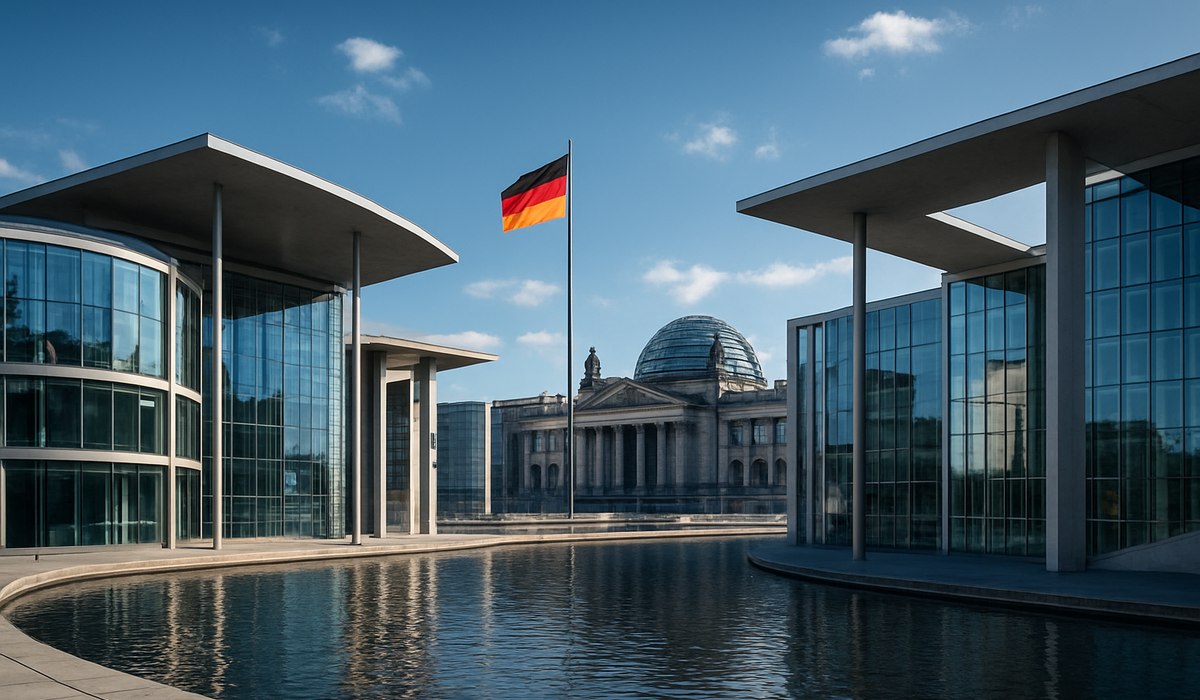
Image generated by AI
Germany Remains Politically Stable for International Relocators Despite Coalition Shifts
Germany continues to rank among Europe's most institutionally resilient democracies in 2026, offering expats and foreign workers a predictable legal framework despite recent political polarization. While rising populist movements and coalition fragmentation have added complexity to the German political landscape, expert analysis confirms that core democratic institutions, constitutional protections, and the rule of law remain robust safeguards for international residents. This stability assessment directly impacts relocation decisions for thousands of foreign professionals, remote workers, and their families considering Germany as a long-term destination.
Baseline Political Stability and International Indices
Germany operates under a federal parliamentary democracy established by the 1949 Basic Law, featuring constitutionally mandated separation of powers across executive, legislative, and judicial branches. The nation has maintained uninterrupted democratic governance for over 75 years, with peaceful power transfers and institutional continuity serving as cornerstones of its political model.
According to the World Bank's Political Stability and Absence of Violence Index, Germany scores slightly above zero on a scale ranging from minus 2.5 to plus 2.5, positioning it comfortably within the upper tier of high-income democracies globally. This measure reflects assessments of government effectiveness, regulatory quality, and perceived risk of political instability rather than institutional fragility.
International organizations, multinational corporations, and diplomatic missions consistently classify Germany as a low-risk jurisdiction for political violence, sudden regime change, or arbitrary governmental action. The independent judiciary, strong constitutional court, and entrenched civil service ensure that policy changes follow predictable legal processes subject to judicial review. For expats seeking relocation destinations, this translates to a stable environment where residential status, employment rights, and property protections remain grounded in established legal frameworks rather than political whim.
The pace of legislative change in Germany typically favors incremental reforms over revolutionary policy shifts. Complex negotiation processes, federalism constraints, and judicial oversight collectively slow decision-making but simultaneously protect against abrupt disruptions affecting foreign residents.
Coalition Politics and Governance Complexity
Germany's multi-party electoral system mandates coalition governance at both federal and state levels. Since German reunification in 1990, no single party has governed alone nationally. This structural feature creates inherent policy negotiations and compromise-driven administration.
The current federal coalition comprises three parties: the center-left Social Democrats (SPD), the environmentalist Greens, and the pro-business Free Democrats (FDP). Formed following the 2021 federal elections, this "traffic light coalition" reflects Germany's fragmented political landscape and requires continuous negotiation across divergent policy priorities.
For expats and employers, coalition politics produce two primary effects. First, legislative processes allow advance notice of significant policy shifts, enabling individuals and organizations to anticipate changes and plan accordingly. Second, coalition strain—while occasionally visible in media coverage and approval ratings—rarely escalates into institutional crises or emergency situations threatening governmental continuity.
Recent polling data indicates declining approval for the current coalition, with opposition parties gaining support. However, consensus among mainstream parties regarding constitutional democracy, European integration, and core legal protections remains firm. Future government transitions, while producing sector-specific policy adjustments, are unlikely to fundamentally alter the legal and institutional environment for foreign workers.
Early federal elections, while possible, remain exceptional events. Constitutional caretaker provisions ensure administrative continuity and sustained delivery of public services during government formation periods.
The Rise of Right-Wing Populism and Its Impact
The Alternative for Germany (AfD), a right-wing populist party, has emerged as a significant political force in several regions, particularly eastern states. Initially founded on eurosceptic positions, the party has increasingly centered messaging around immigration, national identity, and criticism of established political institutions.
Current polling places AfD support at levels insufficient to form federal government independently. The party holds double-digit support in specific regions but remains far below the vote share of major centrist parties. Notably, established democratic parties have systematically refused coalition partnerships with the AfD at federal level, preventing direct governmental influence.
German security authorities and civil rights organizations monitor AfD activities closely, particularly regarding anti-immigration rhetoric that occasionally targets foreign residents. However, discriminatory government policies targeting expats or foreign workers remain constitutionally prohibited and legally enforceable through independent courts.
For practical purposes, AfD political influence remains constrained at federal governance level while gaining regional presence. This fragmented impact means that core institutional protections for foreign residents—constitutional rights, employment law, property protections—remain unaffected by populist messaging or regional election results.
Expats contemplating relocation to specific eastern German regions where AfD support concentrates should evaluate local political climate alongside broader institutional protections. However, legal status and fundamental rights remain uniformly protected across all German jurisdictions regardless of regional political composition.
Practical Implications for Expats and Foreign Workers
Germany's politically stable institutional framework creates a favorable operating environment for international relocators across multiple dimensions. Legal status protections, employment rights, property ownership safeguards, and access to public services remain grounded in constitutional law rather than dependent on political faction preferences.
Employment contracts, visa sponsorship, and residence permit issuance follow standardized bureaucratic procedures insulated from political volatility. Foreign professionals in regulated sectors—healthcare, engineering, finance—benefit from EU-level credential recognition and transparent licensing standards that transcend national political fluctuations.
The independent judiciary provides meaningful recourse for disputes involving discrimination, contract enforcement, or administrative decisions. Foreign residents access the same legal protections as German citizens regarding property rights, inheritance law, and family matters.
Sectoral policy shifts—such as renewable energy mandates, digital regulation, or labor standards—may evolve across electoral cycles, but changes occur through transparent parliamentary processes subject to constitutional court review. This predictability facilitates long-term planning for employers and employees alike.
International schools, expatriate professional networks, and multicultural urban environments in major cities create institutional support structures that buffer against localized political messaging or regional populist movements. Communities in Berlin, Frankfurt, Munich, and Cologne maintain established infrastructure specifically serving international residents regardless of broader political climate shifts.
Key Data: Germany's Political Stability Snapshot
| Metric | Value | Implication |
|---|---|---|
| Years of Uninterrupted Democracy | 76+ (since 1949) | Stable institutional continuity |
| World Bank Political Stability Index | +0.42 (0-2.5 scale) | Upper-tier among high-income nations |
| Coalition Governments Since Reunification | 100% (no solo party rule) | Negotiated, consensus-based governance |
| AfD Federal Election Support (2021) | 10.3% | Significant opposition, insufficient for federal government |
| Constitutional Court Independence Rating | Strong | Judicial oversight of policy changes |
| Rule of Law Index Global Ranking | Top 20% globally | Robust legal protections for residents |
| Average Legislative Process Duration | 12-24 months | Time for expats to anticipate policy changes |
What This Means for Travelers and Relocating Professionals
1. Visa and Residency Security: Permanent residence permits, employment visas, and family reunification approvals rest on legal frameworks immune to political faction changes. Administrative procedures may evolve but foundational residence protections remain constitutionally guaranteed.
2. Employment Rights: Labor law protections, collective bargaining standards, and anti-discrimination statutes apply uniformly to foreign workers regardless of political composition of government. Sector-specific regulations may shift, but employment relationships benefit from robust contractual and statutory protections.
3. Property and Financial Rights: Real estate ownership, banking relationships, pension contributions, and inheritance rights follow consistent legal frameworks. Political transitions do not affect property title, financial assets, or estate planning validity for international residents.
4. Regional Variation Assessment: While broad institutional stability applies nationwide, expats selecting residency in specific regions should evaluate local political climate and community support networks alongside institutional protections. Major metropolitan areas maintain established international communities and multicultural infrastructure.
5. Long-Term Planning Confidence: Germany's incre
Disclaimer
This article is for informational and educational purposes only. It does not constitute legal, financial, or professional advice. While we strive to provide accurate and up-to-date information, travel policies, regulations, and conditions change rapidly. Always verify information with official sources before making travel decisions. Nomad Lawyer makes no representations about the accuracy, reliability, completeness, or suitability of the information provided. Readers should consult qualified professionals for advice specific to their circumstances. The views expressed in this article are those of the author and do not necessarily reflect the views of Nomad Lawyer.
Kunal K Choudhary
Co-Founder & Contributor
A passionate traveller and tech enthusiast. Kunal contributes to the vision and growth of Nomad Lawyer, bringing fresh perspectives and driving the community forward.
Learn more about our team →