
U.S. State Department Issues Level 2 Sweden Travel Advisory: Stockholm Security Warning for 2026
The U.S. Department of State has upgraded its travel advisory for Sweden to Level 2, citing persistent extremist threats. Here's what nomadic professionals and leisure travelers must know before booking Scandinavian routes.

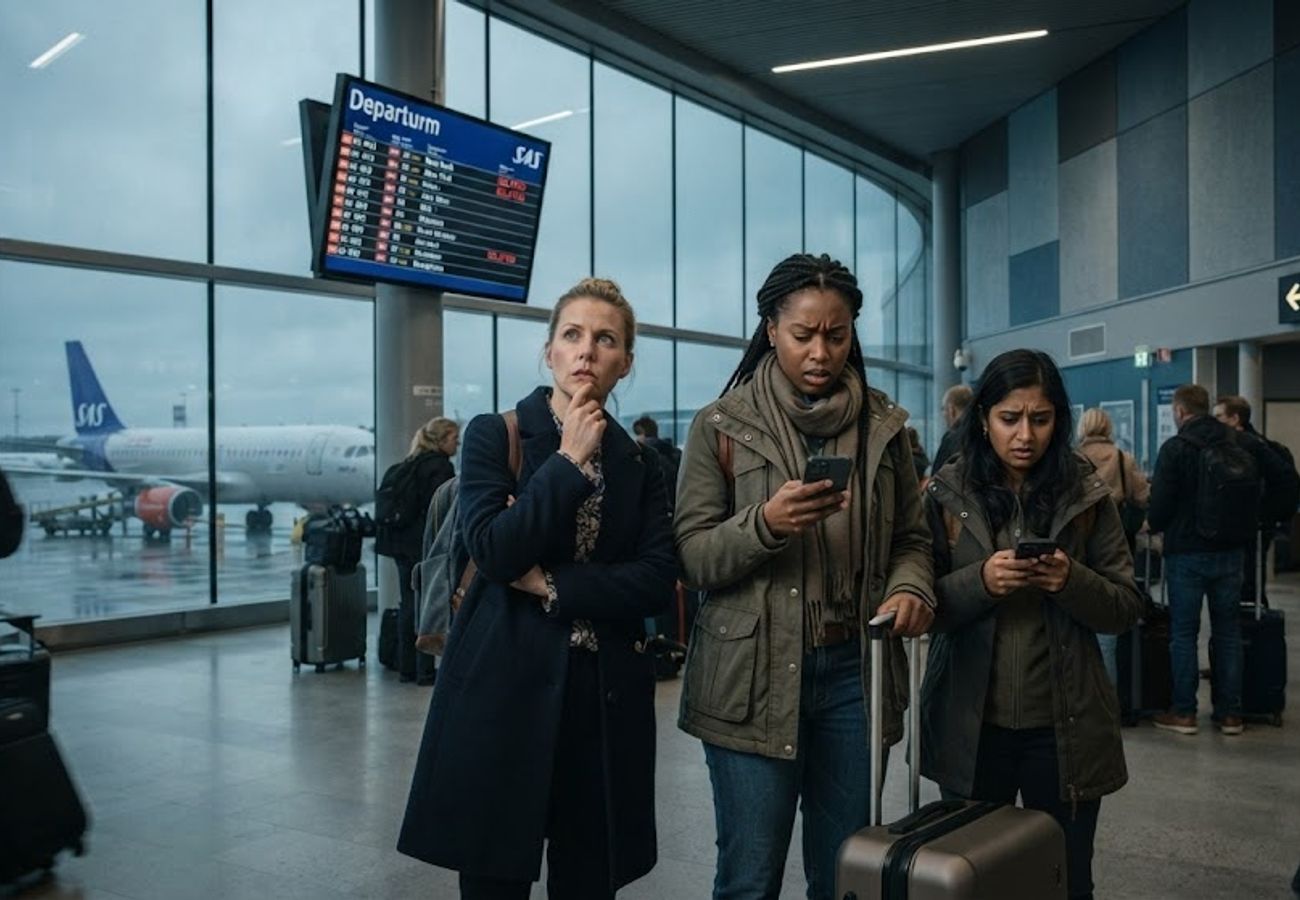
Image generated by AI
The Advisory That Changes Everything
The U.S. Department of State has officially re-classified Sweden as a Level 2 Travel Advisory destination, signaling that American citizens must exercise increased caution when planning Nordic excursions. This isn't a panic button—it's a formal security baseline adjustment reflecting genuine, persistent threats that demand your immediate attention before you book that romantic Stockholm getaway or business conference in Gothenburg.
What makes this update critical isn't the sensational packaging. It's the substance. Federal authorities have identified extremist violence as the primary catalyst, and while Sweden remains a functioning, welcoming democracy, the nation now sits within an elevated risk corridor shared by major Western economies.
Why Now? The Security Landscape Shift
The timing matters. International security analysts point to a pattern of unpredictable actors plotting disruptions across European capitals. Foreign ministries are systematically communicating baseline threat landscapes to outgoing citizens well before departure. Sweden's inclusion signals a broader recalibration of European regional tracking systems rather than a sudden crisis eruption.
Reddit: "Just booked Stockholm for August. Should I cancel?" — r/travel
No. But preparation beats panic every single time.
The Vulnerable Targets You Need to Know
Federal security directors are explicit about where threats concentrate. High-density, unprotected civilian locations remain priority targets for extremist focus.
The official advisory specifically identifies:
- Prominent tourist landmarks and historical sites
- Mass transportation hubs—airports, subway systems, train stations
- Crowded shopping malls and retail districts
- Government buildings and diplomatic facilities
- Major sporting events and public cultural exhibitions
- Open-air markets and festivals
- Hotels and restaurants frequented by international crowds
This isn't hypothetical risk—it's actionable intelligence that demands behavioral shifts. Casual, passive transit approaches need replacing with proactive environmental scanning and secondary exit identification in public venues.
The Schengen Problem Nobody Talks About
Here's where things get complicated. The Schengen Borders Agreement creates a structural vulnerability that intelligence experts have flagged repeatedly. Open borders between neighboring European territories allow seamless movement without traditional passport controls or centralized border checks.
Smooth travel? Absolutely. Strategic security vulnerability? Also yes.
European law enforcement bodies are deploying reinforced detection networks and sharing real-time tactical data, but transnational extremist networks inherently exploit these open corridors. This reality directly influences how major corporate travel insurance providers calculate premium risks for northern European itineraries.
What Travelers Must Do Right Now
Successfully navigating a Level 2 advisory requires strict adherence to official frameworks and disciplined emergency planning.
Register With STEP Immediately
The Smart Traveler Enrollment Program (STEP) is a zero-cost federal service that does one critical thing: it allows the U.S. Embassy in Stockholm to instantly push safety updates and locate you during active emergencies. Registration takes fifteen minutes. Not doing it is reckless.
Visit travel.state.gov/STEP and enroll before purchasing your plane ticket.
Secure Your Documents Strategically
Physical passports must remain completely secure yet easily accessible. Digital copies belong on encrypted cloud servers—not unencrypted email or basic cloud folders. Consider splitting document storage across multiple platforms so no single security breach compromises everything.
Monitor Local News Daily
Don't assume embassy alerts will catch everything. Subscribe to Swedish news outlets and monitor local Scandinavian bulletins for sudden transit disruptions, unannounced closures, or localized threats. TelegramBot alerts and news aggregators tracking Nordic security developments can save your itinerary.
Audit Your Insurance Coverage Now
Before crossing borders, verify that your private insurance includes robust trip-cancellation protections and emergency medical evacuation coverage. Standard travel insurance frequently excludes Level 2 advisory destinations. Read the fine print. Confirm coverage explicitly includes Sweden under current conditions.
The Practical Reality
Sweden remains genuinely safe for millions of annual visitors. Stockholm's Gamla Stan still showcases medieval architecture that stops your breath. Gothenburg's archipelagos still deliver nautical transcendence. The difference? Today's travelers navigate these wonders with informed vigilance rather than blissful ignorance.
The global travel landscape demands that contemporary explorers balance open-heart discovery with highly informed risk management. By enrolling in STEP, maintaining document security, monitoring local conditions, and verifying insurance coverage, you're not eliminating adventure—you're protecting it.
The incredible rewards of exploring Scandinavia remain entirely within reach. You just need to plan ahead, stay alert to shifting conditions, and utilize official consular tracking tools. That's not paranoia. That's professionalism.
Choose informed exploration over disrupted dreams.
Related Travel Guides
Disclaimer
This article is for informational and educational purposes only. It does not constitute legal, financial, or professional advice. While we strive to provide accurate and up-to-date information, travel policies, regulations, and conditions change rapidly. Always verify information with official sources before making travel decisions. Nomad Lawyer makes no representations about the accuracy, reliability, completeness, or suitability of the information provided. Readers should consult qualified professionals for advice specific to their circumstances. The views expressed in this article are those of the author and do not necessarily reflect the views of Nomad Lawyer.
Raushan Kumar
Founder & Lead Developer
Full-stack developer with 11+ years of experience and a passionate traveller. Raushan built Nomad Lawyer from the ground up with a vision to create the best travel and law experience on the web.
Learn more about our team →