
Public Land Access: Ramps and Shuttles Address the National Park Nature Gap
Federal land agencies are launching transit-to-trails and fee-waiver programs to close the nature gap in America's national parks.

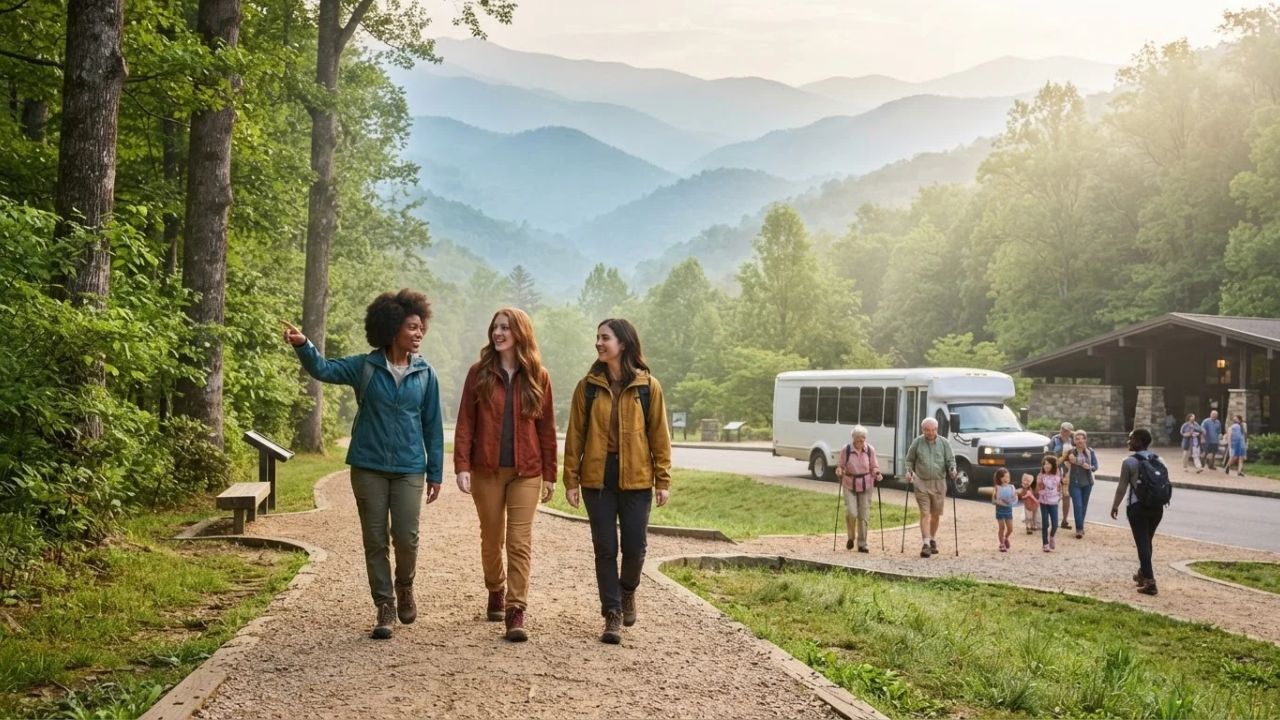
Image generated by AI
Federal land agencies are launching transit-to-trails and fee-waiver programs to close the nature gap in America's national parks. The National Park Service indicates that urban-adjacent parks and free entry are key to expanding outdoor access.
The Emergence of Transit-to-Trails and Access Equity
A major trend in public land management is the development of transit-to-trails routes designed to make wilderness areas accessible to car-free urban residents. Historically, accessing remote national parks required a personal motor vehicle, specialized gear, and paid vacation time, creating barriers for lower-income families. In 2026, land managers and municipal transit authorities cooperate to bridge the "nature gap," offering shuttle links and rail corridors directly from metropolitan centers to trailheads.
By providing direct transit links and fee-waiver passes, agencies help diverse communities access the health and recreation benefits of public lands. This inclusive model supports regional economies near park gateways, channeling visitor spend to local shops, equipment rental spots, and transport providers.
Demographic Disparities and Economic Barriers
Reports from the National Park Service (NPS) highlight the nature gap affecting public lands:
- Demographic Gap: Individuals of color represent nearly forty percent (40%) of the US population, but Black, Indigenous, and Latino visitors account for under thirty percent (30%) of national park guests.
- Flagship Entrance Fees: Stand at thirty-five dollars ($35) per vehicle at destinations like Yosemite and Grand Canyon, creating financial hurdles for budget-conscious families.
- Transit Barriers: A lack of public transportation options cuts off urban neighborhoods without private cars from remote trailheads.
- Youth Screen-Time Disconnect: The average American child spends more than seven hours daily looking at screens while engaging in under ten minutes of unstructured outdoor play.
These figures show the importance of targeted public transit and access programs.
Urban-Adjacent and Free-Access National Parks
To improve access, federal agencies are promoting parks that offer free entry and public transport links:
- Cuyahoga Valley (Ohio): Offers year-round free admission and direct rail connections via the Cuyahoga Valley Scenic Railroad.
- Golden Gate (California): Features free entry and links directly to San Francisco municipal bus lines and free park shuttles, connecting visitors to Muir Woods and beaches.
- Gateway (New York / New Jersey): Accessible via public subways, city buses, and seasonal ferries.
- Rock Creek Park (Washington D.C.): Protects over seventeen hundred acres (1,700 acres) of forested hiking trails directly adjacent to metro and bus stations.
- Great Smoky Mountains (NC / TN): Maintains free year-round admission, utilizing regional shuttles from Gatlinburg and Cherokee.
These sites make nature-based learning accessible without the need for long road trips.
US National Parks Access Coordinates
The table below breaks down the accessible park units, locations, transit options, admission costs, and primary managing bodies:
| Target Park Unit | Geographic Region | Public Transit Option | Admission Policy | Featured Access Program | Primary Managing Body |
|---|---|---|---|---|---|
| Cuyahoga Valley | Ohio | Cuyahoga Valley Scenic RR | Free year-round admission | School group transit grants | National Park Service |
| Golden Gate | California | San Francisco muni buses & shuttles | Free year-round admission | Muir Woods shuttle bookings | National Park Service |
| Gateway | NY / NJ | Subways, buses, seasonal ferries | Free year-round admission | Urban youth outreach | National Park Service |
| Rock Creek Park | Washington D.C. | Metro stations & public buses | Free year-round (1,700 acres) | Planetarium school programs | National Park Service |
| Great Smoky Mountains | NC / TN | Gatlinburg & Cherokee shuttles | Free year-round admission | Park-wide shuttle network | National Park Service |
These coordinates outline the parks, regions, transit links, policies, programs, and bodies established for the access campaign.
Federal Fee-Waiver Passes and Specialized Programs
The Department of the Interior offers specialized passes to remove financial barriers:
- Every Kid Outdoors: Grants all fourth-grade students and their families free admission to all federal public lands for an entire school year.
- Access Pass: Provides lifetime free entry for US citizens with permanent disabilities.
- Military Passes: Offer free lifetime admission for veterans and Gold Star families.
These passes help ensure that America's public lands are accessible to everyone.
Resource Stewardship and Community Heritage Support
For the traveler, the benefit of choosing transit-linked parks is the reduction in carbon emissions across delicate wilderness corridors. Using public trains (like the Cuyahoga Valley Scenic Railroad) helps reduce traffic congestion on park roads.
Additionally, supporting local shuttle services in gateway towns like Cherokee or Gatlinburg keeps travel spending within regional economies. Respecting park rules and staying on marked trails preserves delicate soil systems and protects native plant life.
For comparison, you can explore the changing dynamics of Stimulus Launch: Taiwan Unveils Billion-Dollar Repeat Visitor Rewards to see how destinations promote visitor spend. For transit updates, comparing travel scheduling matches other networks, such as Route Relaunch: Thai Airways Announces Direct Bangkok-Auckland Flights updates. This trend is similar to the tourism growth seen in other destinations, as detailed in our guide on how Utica, New York Emerges as an Affordable Northeast Tourism Hub.
Visitor Insider Tips: Accessing National Parks
If you are planning to visit these national recreation areas, keep these practical tips in mind:
- Apply for Fourth-Grade Passes: If you have a fourth-grade student, register online for the Every Kid Outdoors pass before your trip.
- Utilize Free Park Shuttles: Use the free shuttles at Golden Gate or Great Smoky Mountains to access trailheads without vehicle hassles.
- Ride the Cuyahoga Scenic Railroad: Book a ticket on the scenic train to explore Cuyahoga Valley from Cleveland or Akron.
- Check Accessibility Pass Rules: If eligible, apply for the lifetime America the Beautiful Access Pass to receive free entry.
- Explore Urban Parks in Washington D.C.: Take the metro to Rock Creek Park to enjoy forested hikes directly within the capital.
Long-Term Outlook for Public Land Transit
The long-term outlook for transit in national parks is focused on deploying electric shuttle bus fleets, expanding transit-to-trails lanes, and developing mobile apps for reservation and transit tracking. As interest in outdoor recreation grows, federal land agencies and city planning departments will cooperate to build low-impact transit corridors.
By investing in park transit and supporting community programs, the conservation sector aims to build a sustainable destination network.
FAQ
What is the nature gap?
The nature gap refers to the disparity in access to outdoor recreation spaces, resulting in underrepresentation of minority and lower-income communities on public lands.
How much does it cost to visit Cuyahoga Valley National Park?
Admission to Cuyahoga Valley National Park in Ohio is free for all visitors year-round.
What is the Every Kid Outdoors pass?
It is a federal program that grants all fourth-grade students and their families free admission to all federal public lands for a full school year.
Can I visit Golden Gate Recreation Area without a car?
Yes. The park is connected to San Francisco municipal bus lines and offers free park shuttle services to major trailheads and beach sites.
Stay updated on the regional travel regulations and transit programs shaping public land access.
Related Travel Guides
Disclaimer
This article is for informational and educational purposes only. It does not constitute legal, financial, or professional advice. While we strive to provide accurate and up-to-date information, travel policies, regulations, and conditions change rapidly. Always verify information with official sources before making travel decisions. Nomad Lawyer makes no representations about the accuracy, reliability, completeness, or suitability of the information provided. Readers should consult qualified professionals for advice specific to their circumstances. The views expressed in this article are those of the author and do not necessarily reflect the views of Nomad Lawyer.
Raushan Kumar
Founder & Lead Developer
Full-stack developer with 11+ years of experience and a passionate traveller. Raushan built Nomad Lawyer from the ground up with a vision to create the best travel and law experience on the web.
Learn more about our team →