US Launches High Impact Visa Fraud Prevention Portal As Authorities Tighten Screening Of Travellers Businesses And Institutions

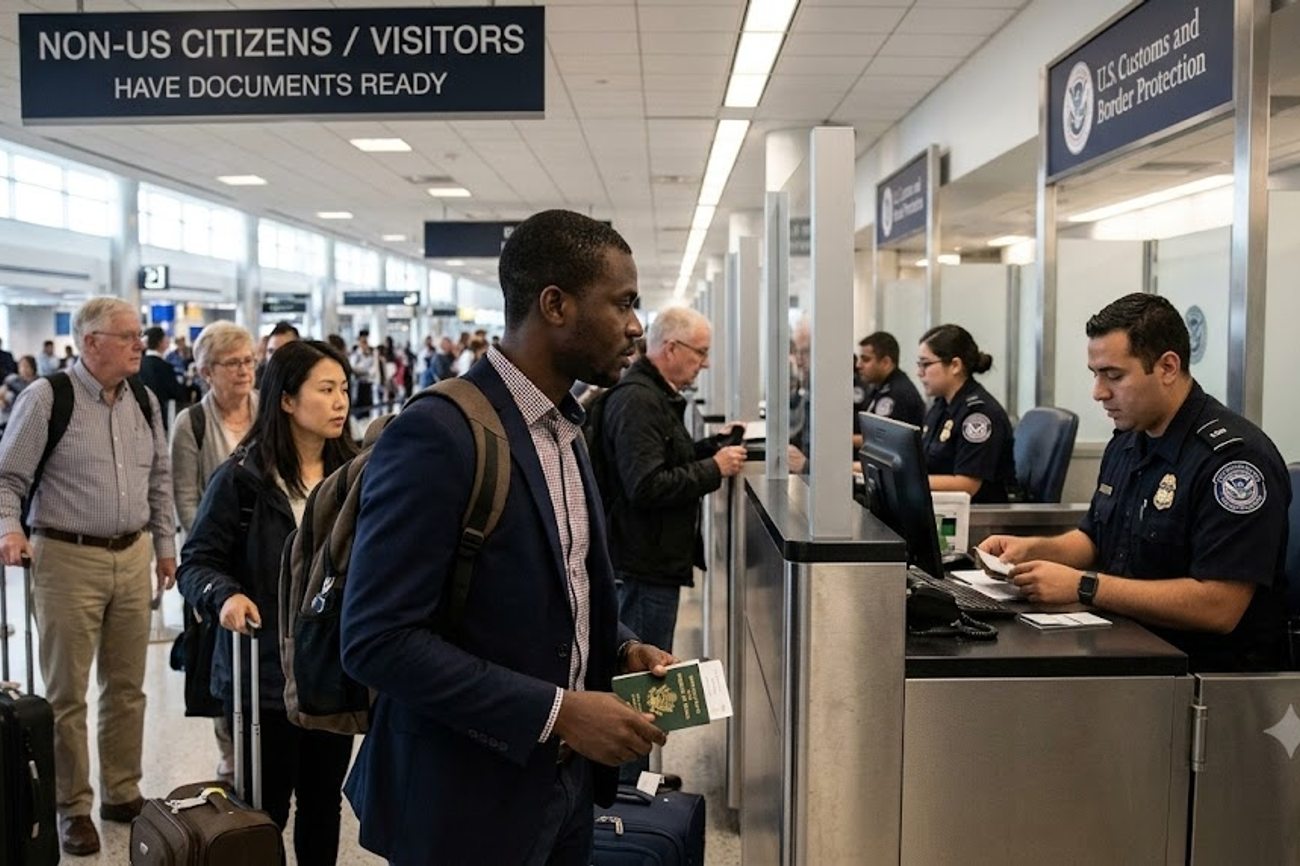
Image generated by AI
The transition from manual, agency-specific reporting to a centralized digital intake system marks a pivot in U.S. border security; while historical fraud reporting relied on fragmented channels, the new unified portal creates a direct, public-facing pipeline for intelligence gathering. This shift occurs as the U.S. continues to manage massive surges in visa applications, where the margin for error in documentation has narrowed significantly. By digitizing the reporting of visa misuse, the government is effectively crowdsourcing its enforcement arm, moving toward a model of "continuous monitoring" rather than periodic audits.
The Digital Enforcement Pivot in Numbers
The launch of the online portal for reporting visa fraud represents a systemic upgrade in how the United States identifies "misuse of the immigration system." This is not merely a website launch but a strategic expansion of the intelligence-gathering apparatus. The system is designed to ingest high-granularity data points, including passport details, visa numbers, immigration identification numbers, petition details, and publicly available social media information.
The scope of this portal is exhaustive, covering every primary entry vector into the U.S. market:
- Tourist and Business visas (B-1/B-2)
- Employment-based visas (H-1B, L-1, O-1, etc.)
- Student visas (F, M, J)
- Family-based immigration applications
By allowing the public to report not just individuals but also "businesses, schools, other organizations, and legal representatives," the U.S. government is targeting the infrastructure of immigration fraud. This suggests a shift in focus from the end-user (the traveler) to the facilitators (the "visa mills" or fraudulent employers). According to data trends tracked by IATA, the digitalization of travel documents has made it easier to spot inconsistencies, but the human element of fraud—such as fraudulent marriages or fake employment contracts—requires the type of "insider" information this portal is designed to collect.
Comparative Context: From Reactive to Proactive Surveillance
Historically, immigration fraud was largely detected during the consular interview or upon arrival at a Port of Entry (POE). The new portal shifts this timeline, allowing for reports to be filed while a visa is still active or even during the application phase. This creates a "post-issuance" surveillance layer that did not exist in a centralized, public-facing format.
When comparing this to regional benchmarks, the U.S. is aligning its strategy with other "Five Eyes" nations that have integrated digital reporting for border integrity. The ability to submit reports anonymously, while maintaining the option for investigators to contact verified sources via email, mimics the whistleblower frameworks used in financial regulation.
The following table illustrates the shift in the U.S. approach to immigration integrity:
| Metric | Traditional Enforcement Model | New Digital Portal Model |
|---|---|---|
| Primary Data Source | Consular interviews & POE screenings | Public crowdsourcing & digital tips |
| Reporting Latency | Detected at point of entry or audit | Real-time reporting during visa tenure |
| Target Scope | Individual applicant focus | Individual $\rightarrow$ Facilitator $\rightarrow$ Institution |
| Evidence Type | Document verification (Physical/Digital) | Behavioral patterns & social media intel |
| Reporting Access | Restricted to agency officials/whistleblowers | Open to the general public |
This movement toward a centralized reporting hub reflects a broader global trend. As noted by UNWTO, the intersection of national security and tourism requires more agile data sharing. The U.S. is now treating visa fraud as a data-mining exercise, where "detailed and accurate information" provided by the public serves as the primary lead for law enforcement.
Practical Traveler Advisory and Strategic Insights
For the modern nomad or corporate traveler, the existence of this portal increases the "compliance risk" associated with any ambiguity in a visa application. The government is now explicitly inviting the public—including former employers, disgruntled associates, or competing businesses—to report discrepancies in visa usage.
Actionable Advice for Q3 and Q4 Travelers:
- Audit Your Documentation: If you are traveling on an employment-based visa, ensure your actual job duties align perfectly with the petition filed by your employer. Any discrepancy reported by a colleague or former coworker can now be submitted in seconds via a web form.
- Student Visa Compliance: For those on F-1 or M-1 visas, strict adherence to credit hour requirements and employment limits is non-negotiable. Educational institutions are now explicitly listed as reportable entities, meaning "visa mills" are under higher scrutiny, which may lead to collateral audits of legitimate students at those institutions.
- Avoid "Grey Market" Facilitators: Be extremely cautious of legal representatives or agencies promising "guaranteed" visas through unconventional means. Since the portal allows for the reporting of "legal representatives," the government is actively mapping the networks of fraudulent consultants.
The US government has introduced a new visa fraud prevention portal to enhance the screening process for travellers, businesses, and institutions. This initiative aims to prevent and detect fraudulent activities, ensuring a safer and more secure travel experience for all. For more information on the visa application process and requirements, visit the US Department of State website for official guidance and updates. 4. Social Media Alignment: Since the portal explicitly requests "publicly available social media information," ensure your public digital footprint does not contradict your visa status (e.g., claiming to be a tourist while posting about active employment in the U.S.).
Forward Projection: The AI-Integration Phase
Based on the current trajectory of U.S. border tech, the next logical step is the integration of this portal's data into an AI-driven risk scoring system. By aggregating thousands of public reports, the government can identify "clusters" of fraud. For example, if multiple anonymous reports link a specific law firm or a specific university to fraudulent petitions, the system can automatically flag every visa associated with that entity for immediate review.
We expect to see a rise in "administrative withdrawals" of visas based on third-party tips. As the database grows, the U.S. will likely move toward a predictive model where certain patterns of reporting trigger automatic audits of specific visa categories. This will likely result in longer processing times for "high-risk" categories as investigators vet the crowdsourced data against official records.
FAQ: US Visa Fraud Portal 2024
Will this increase the likelihood of my visa being denied? Only if there is a report filed against you or your sponsoring entity. However, it increases the overall scrutiny on "high-risk" categories, meaning you must ensure 100% accuracy in your application to avoid triggering an investigation.
Can I report a company anonymously? Yes, the portal specifically allows for anonymous submissions. This is designed to protect whistleblowers who may be reporting fraudulent employment practices or "visa mills" within their own organizations.
What happens if I submit a report that turns out to be wrong? The government warns that intentionally providing false information can lead to legal consequences, including financial penalties or imprisonment. Reports should be based on genuine concerns rather than personal vendettas.
Which visa categories are most at risk? Employment-based and student visas are under the highest scrutiny due to the complexity of the sponsoring relationship, which provides more opportunities for "misuse" that the public can report.
The era of the "silent" visa violation is ending; the U.S. border is now a crowdsourced surveillance zone.
Related Travel Guides
This article is for informational purposes. Flight routes, passenger regulations, visa rules, and transit advisories are subject to change by airlines and aviation authorities. Readers are advised to verify schedules and travel documentation with relevant carriers and border agencies before departure.
Related Stories

The Hidden Economics of Ultra-Luxury World Cruises: Inside the Six-Figure Voyages Dominating High-Net-Worth Travel

European Waterways Expands 2027 Luxury Barge Cruises Across Europe: New Brittany Route, Castle Falconry, and 10% Early Booking Savings