US Hotel RevPAR Surges 11% to $114.80 in September 2026: Analyzing the Luxury and Corporate Recovery

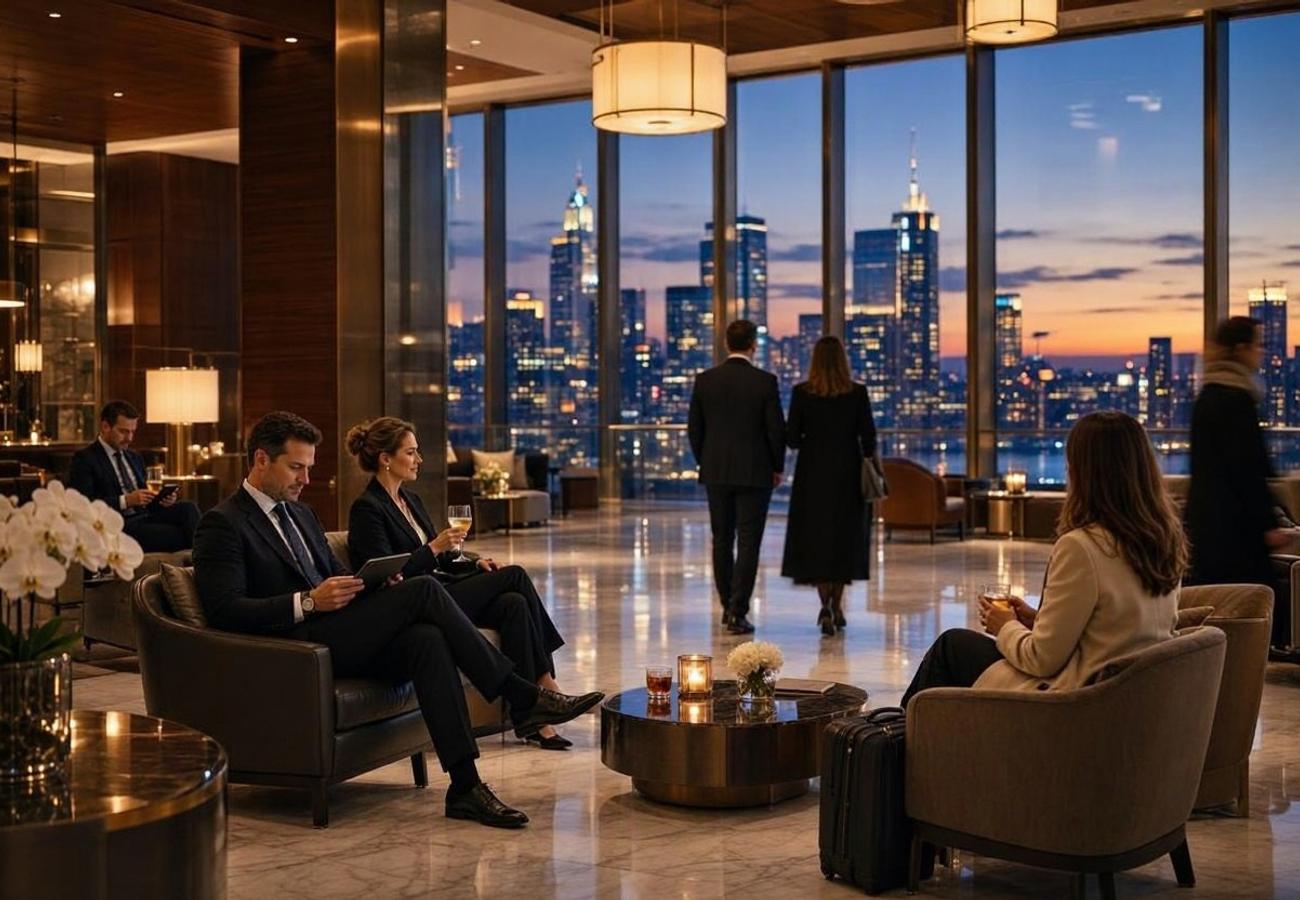
Image generated by AI
National Revenue Per Available Room (RevPAR) climbed 11% year-over-year to $114.80 in September—the most aggressive monthly acceleration since February 2023. This surge indicates a decisive shift in the American hospitality sector, where organic demand is now outpacing available supply across the majority of the top 25 metropolitan markets.
The Hospitality Boom in Numbers
The September data reveals a balanced growth model where neither occupancy nor pricing was sacrificed to drive revenue. National occupancy rates rose 5.4% to reach 66.9%, while the Average Daily Rate (ADR) increased by 5.3%, settling at $171.69. This simultaneous rise in both volume and price confirms a high-yield environment fueled by resilient household spending and a preference for experiential travel over material acquisitions.
The growth is not uniform, however. The luxury segment is currently the primary engine of this expansion. High-end resort properties and luxury hotels recorded a 13% RevPAR increase in September alone, contributing to a quarterly growth rate of 11.9%. According to data trends tracked by STR, this resilience among high-net-worth individuals has shielded the luxury tier from the inflationary pressures affecting mid-scale accommodations.
Regional Divergence and Market Benchmarks
While the national trajectory is upward, a granular look at the top 25 US markets shows a stark contrast between cultural hubs and traditional gaming or desert destinations. New Orleans emerged as the national leader in growth, with a 10.1% rise in occupancy (reaching 53.3%) and a massive 25.5% explosion in RevPAR to $83.77.
Conversely, the market is seeing "regional friction." Las Vegas and Phoenix were the only major markets to contract. Las Vegas saw a 3.5% RevPAR dip to $142.37, a movement attributed to the cyclical nature of convention calendars and a post-summer cooling period.
September 2026 Market Performance Comparison
| Market | RevPAR Change (YoY) | RevPAR Value | Occupancy Change | ADR Trend |
|---|---|---|---|---|
| National Avg | +11% | $114.80 | +5.4% | +5.3% |
| New Orleans | +25.5% | $83.77 | +10.1% | Increasing |
| Miami | High Growth | N/A | Stable | +14.1% |
| Las Vegas | -3.5% | $142.37 | Decreasing | Stable/Down |
| Phoenix | -0.4% | $88.71 | Stable | Stable |
Miami continues to lead in pricing power, recording the highest room rate lift of any major US market with a 14.1% ADR increase, bringing the average to $168.86. This suggests that coastal luxury hubs are successfully leveraging destination-specific branding to maintain premium pricing.
What This Means for Travelers
The data indicates that the "experience economy" is now firmly entrenched, particularly in cultural centers. For those planning travel in 2026, the following logistics apply:
- Budget for Luxury Premiums: With ADRs in cities like Miami rising over 14%, luxury travelers should expect higher baseline costs. Booking 12-16 weeks in advance is now necessary for high-end coastal properties to avoid peak-surge pricing.
- Target "Contraction" Markets for Value: The slight dips in Las Vegas and Phoenix suggest a window for better deal-hunting. Travelers may find more competitive rates and higher room availability in these markets during the shoulder seasons.
- Midweek Urban Strategy: There is a noted 9% increase in midweek RevPAR due to the return of corporate group bookings. If you are a leisure traveler visiting a major financial hub, avoid Tuesday-Thursday stays to bypass the corporate pricing premiums.
For a deeper understanding of how these trends impact global mobility, refer to the latest reports from the World Travel & Tourism Council (WTTC).
Corporate Recovery and Future Projections
The resurgence of face-to-face corporate engagement is fundamentally altering urban hotel profitability. The 9% spike in midweek RevPAR is driven by an expansion of corporate travel budgets and a renewed emphasis on physical conventions. This shift provides a structural backbone for city-center hotels, reducing their reliance on volatile weekend leisure traffic.
Based on current trajectory, the industry is moving toward a "hyper-localized" growth model. Rather than a general national rise, growth will be dictated by specific event calendars and cultural pull. We project that municipal tax revenues will increase in tandem with these RevPAR gains, leading to further capital investment in urban transit and boutique renovations. This cycle of investment is likely to push ADRs higher in "powerhouse" cities like New Orleans and Miami through 2027.
FAQ: US Hotel Trends 2026
Will hotel prices continue to rise in 2026? Yes, especially in luxury and cultural hubs. With ADRs increasing by 5.3% nationally and 14.1% in Miami, pricing power remains with the hoteliers due to strong affluent demand.
Is it a good time to book luxury resorts in the US? Booking immediately is advised. The 13% September growth in luxury RevPAR indicates high demand and shrinking inventory for premium properties.
Which cities currently offer the best value? Las Vegas and Phoenix are currently bucking the national trend with slight RevPAR declines, making them more likely to offer competitive rates than the rest of the top 25 markets.
Why are midweek hotel rates increasing? A 9% rise in midweek RevPAR is driven by the return of corporate group meetings and professional conventions, which are filling urban hotels during traditionally slower days.
The era of the generic travel recovery is over; we have entered the age of the localized experience premium.
Related Travel Guides
This article is for informational purposes. Flight routes, passenger regulations, visa rules, and transit advisories are subject to change by airlines and aviation authorities. Readers are advised to verify schedules and travel documentation with relevant carriers and border agencies before departure.
Related Stories

Italy Luxury Tourism Boom 2026: Five-Star Hotels Drive €10.4 Billion in Elite Spending

South Korean Travel to Malaysia Surges in 2026: 28% Capacity Increase and Luxury Shift