Italy Luxury Hospitality Boom 2026: Navigating the €10.4 Billion High-End Tourism Shift


Image generated by AI
Planning a high-end getaway to Italy? You need to know that the luxury landscape has shifted dramatically, with a massive concentration of five-star assets in just a few provinces. While the country is seeing a record-breaking surge in elite tourism, the logistics of accessing these properties vary wildly depending on whether you are staying in a primary hub like Rome or venturing into the underserved regions.
The Luxury Hospitality Surge
Italy's high-end travel sector has evolved into a financial powerhouse, with five-star and luxury establishments generating €10.4 billion in direct tourist spending last year. This segment now accounts for 17.3 percent of the total national hotel turnover. The growth is not just financial but volumetric; since 2008, luxury overnight stays have climbed by 111.1 percent, totaling nearly 14.9 million nights annually.
This growth is driven by a shift in consumer behavior. Affluent travelers from North America, Asia, and the Middle East are moving away from standardized luxury toward "experiential" journeys. This means a higher demand for converted historic palazzos, private coastal villas, and alpine retreats that offer cultural authenticity alongside modern amenities.
Luxury Distribution and Market Reach
Despite the overall boom, the availability of elite accommodation is unevenly distributed across the peninsula. A small group of 17 provinces, led by Rome, captures 79.2 percent of all luxury overnights. This creates a significant logistical divide for the traveler: while the "marquee" cities are saturated with options, 25 Italian provinces currently operate without a single five-star hotel.
| Market Segment | Key Statistic | Detail | Status |
|---|---|---|---|
| Direct Spending | €10.4 Billion | Generated by five-star/luxury sector | Active |
| Market Share | 17.3% | Percentage of total national hotel turnover | Active |
| Growth (Since 2008) | 111.1% | Increase in luxury overnight stays | Trending Up |
| Total Annual Volume | 14.9 Million | Total luxury nights stayed | Active |
| Geographic Concentration | 79.2% | Stays absorbed by 17 key provinces | Concentrated |
| Infrastructure Gap | 25 Provinces | Regions with zero five-star hotels | Underdeveloped |
Traveler Logistics Guide
For those planning a trip that blends the high-density luxury of Rome with the untapped beauty of the underserved provinces, follow these logistics strategies.
Booking and Timing To avoid the extreme seasonality that plagues the Italian coast and Alps, schedule your visits during the "shoulder seasons" of spring and autumn. Many elite properties in secondary regions close entirely during winter months. Use official platforms like the Italian Ministry of Tourism to verify regional certifications and open dates.
Transport Connections If your itinerary includes the 17 high-density provinces, utilize the high-speed rail network via Trenitalia to move between hubs like Rome, Florence, and Milan. However, for the 25 provinces lacking five-star infrastructure, you will find a lack of luxury transfer networks. In these areas:
- Private Aviation: Check for small regional airfields, as major hubs will be too far from your destination.
- Private Chauffeurs: Pre-book luxury transfers at least 30 days in advance, as high-end concierge services are scarce outside the main hubs.
- Car Rentals: Opt for premium SUV rentals for regional travel, as road conditions in underserved provinces can be challenging for low-clearance luxury sedans.
Customs and Entry Ensure your travel documents are updated. For those staying in high-end villas or boutique palazzos, verify if the property provides a dedicated concierge to handle local registration requirements, as smaller luxury rentals may have different reporting protocols than large hotel chains.
Regional Connectivity Impact
The current luxury boom is forcing a rethink of Italian infrastructure. The concentration of wealth in Rome and a few other provinces has led to overcrowding, prompting the government to incentivize luxury development in the "forgotten" 25 provinces. For the traveler, this means that "off-the-beaten-path" luxury is becoming a viable trend, though it requires more rigorous planning.
The economic ripple effect of the €10.4 billion spend is supporting local artisans and heritage conservation. When you stay in these elite properties, you are often funding the restoration of Renaissance-era architecture and the preservation of artisanal crafts, such as bespoke tailoring and traditional viticulture.
FAQ: Italy Luxury Travel 2026
Are there five-star hotels in every Italian province? No. While the luxury sector is growing, 25 provinces still lack a single five-star establishment. Most luxury stays are concentrated in 17 key provinces, including Rome.
When is the best time to visit Italy's luxury resorts? Spring and autumn are optimal. This avoids the peak summer crowds in major hubs and ensures that regional luxury properties, which often close in winter, are operational.
How do I get to luxury properties in remote provinces? Since luxury transfer networks are limited outside major cities, it is highly recommended to book private chauffeurs in advance or utilize premium rental vehicles.
Is the luxury boom making Italy more expensive? The high-end sector is seeing record spending (€10.4 billion), but this is primarily driven by ultra-high-net-worth individuals. However, peak-season rates in Rome and Florence remain at a premium.
Experience the Italian dolce vita, but plan your transport before the crowds arrive.
Related Travel Guides
This article is for informational purposes. Flight routes, passenger regulations, visa rules, and transit advisories are subject to change by airlines and aviation authorities. Readers are advised to verify schedules and travel documentation with relevant carriers and border agencies before departure.
Related Stories
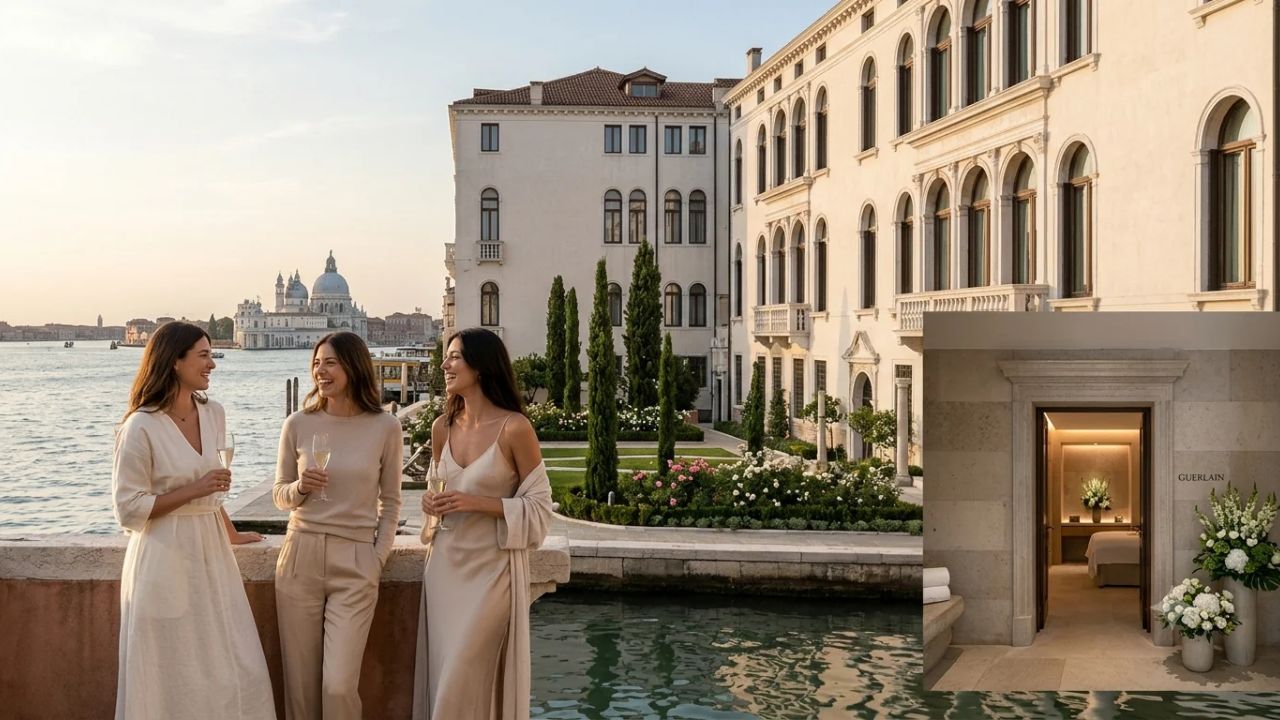
Venice Luxury Revival: Airelles Palladio Reopens on Giudecca with New Guerlain Spa and Historic Convent Restoration
US Hotel RevPAR Surges 11% to $114.80 in September 2026: Analyzing the Luxury and Corporate Recovery