
US Hotel Market Surge 2026: AI Data Center Construction Drives RevPAR Growth Beyond Major Cities
AI data center expansion and industrial infrastructure projects are driving a 4.4% RevPAR increase in US hotels, shifting demand from traditional tourism hubs to suburban and secondary markets.

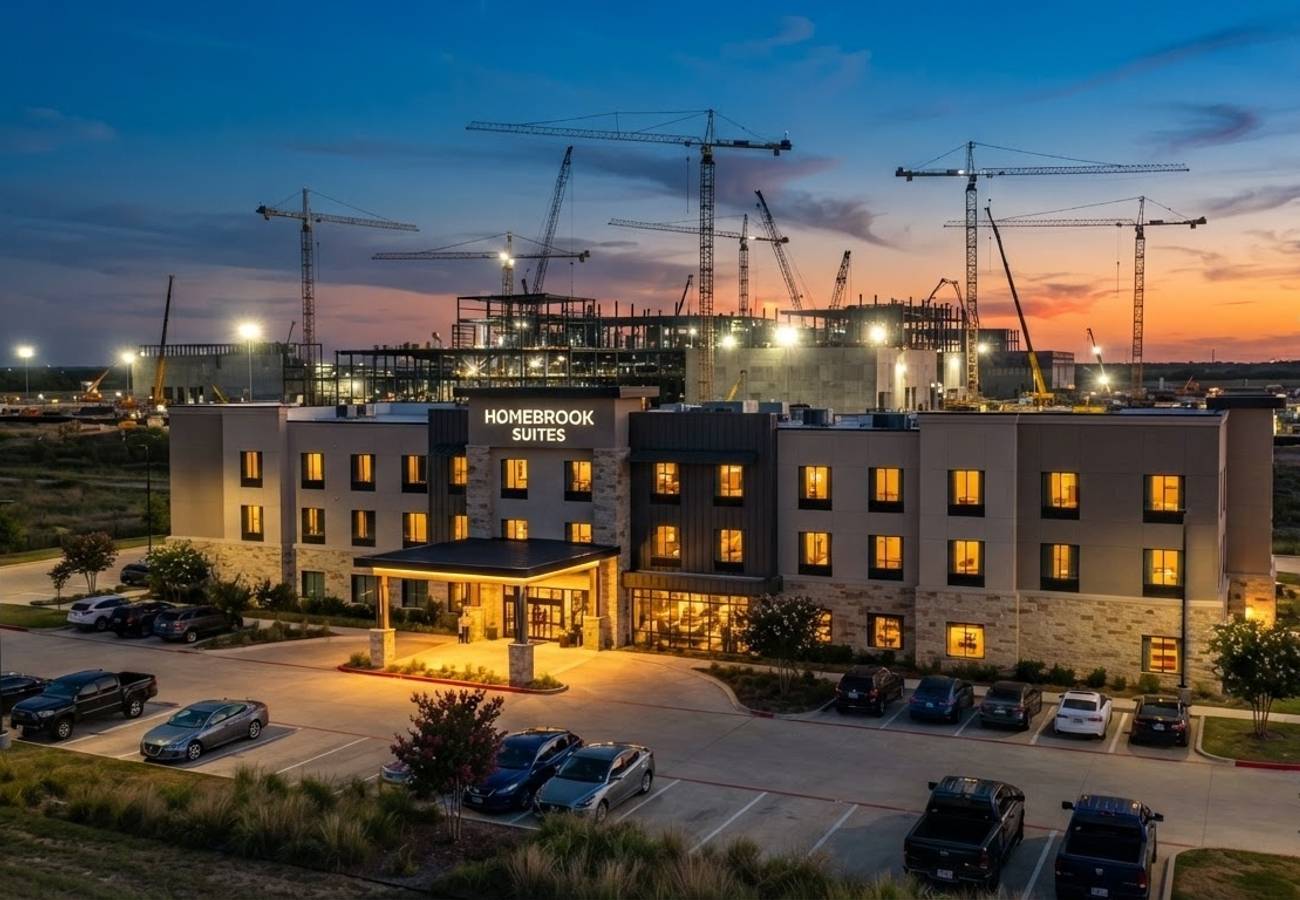
Image generated by AI
The US hospitality sector is experiencing an unexpected acceleration in 2026, with demand shifting away from traditional tourism hubs toward suburban and ex-urban regions fueled by the AI infrastructure boom.
AI Infrastructure and the Shift in Hospitality Demand
The US hotel industry is outperforming initial 2026 projections, driven by a surge in construction related to AI data centers, industrial expansion, and large-scale infrastructure projects. This shift is creating significant opportunities for accommodation providers in secondary markets and suburban zones that previously lacked sustained demand.
The demand is not merely a byproduct of leisure travel or major sporting events. Instead, the massive scale of artificial intelligence infrastructure development requires prolonged construction timelines, bringing a steady influx of engineers, technical specialists, and contractors to rural or suburban areas. These locations are often chosen for their land availability, power grid capacity, and connectivity, creating a vacuum for quality lodging.
According to CoStar hospitality analyst Jan Freitag, the impact is quantifiable. Hotels located near major data center developments in Texas and western Pennsylvania have recorded annualized occupancy increases exceeding 15%.
2026 US Hotel Performance Forecasts
Due to strong performance observed between February and July, CoStar and Tourism Economics have upgraded their hospitality forecasts twice this year. The current data suggests a broad-based recovery that extends beyond the host cities of the FIFA World Cup.
| Performance Indicator | 2026 Forecast |
|---|---|
| RevPAR Growth | 4.4% |
| Average Daily Rate (ADR) Growth | 3.1% |
| Occupancy Percentage | 63.1% |
| Forecast Status | Second Upgrade of 2026 |
Regional Impact and Industrial Growth
The trend extends beyond AI. General industrial and energy projects are reshaping regional travel patterns, particularly in the Midwest. Wyndham Hotels & Resorts reported significant second-quarter RevPAR growth in several states:
- Illinois & Indiana: 10% growth
- Iowa: 9% growth
- Wisconsin: 7% growth
- Ohio: 6% growth
This data confirms that regional economic activity is now a primary driver of hotel performance. The movement of a professional workforce into these markets creates a secondary economic ripple, benefiting local food services, transportation, and ancillary visitor businesses.
Segment Analysis: Midscale and Extended-Stay Advantage
While luxury properties remain stable, the primary beneficiaries of this industrial boom are midscale and upper-midscale hotels. These properties cater to small and medium-sized business spending, offering predictable pricing and practical facilities.
Extended-stay hotels are particularly well-positioned. Because infrastructure projects last for months or years, contractors require long-term housing rather than short-term stays. This provides operators with:
- Occupancy Stability: Reduced reliance on volatile weekend leisure demand.
- Predictable Revenue: Long-term contracts with corporate entities.
- Strategic Positioning: New development clusters forming around emerging technology hubs.
Economic Drivers and Market Resilience
While AI is a catalyst, broader economic conditions are supporting this growth. Tourism Economics notes that easing inflation, stable employment, and improved household wealth are encouraging both corporate and consumer travel.
For hotel operators, the ideal strategy is diversification. Properties that balance temporary construction-related occupancy with steady business travel and leisure activity are more resilient than those relying solely on a single infrastructure project, which could see a demand cliff once construction concludes.
Traveler Logistics Guide: Navigating Industrial Hubs
From a ground-level perspective, the best way to navigate these emerging "industrial hotspots" is to prioritize booking windows and transport logistics, as these areas often lack the deep infrastructure of major cities.
Booking and Connection Strategy In regions like western Pennsylvania or rural Texas, hotel inventory is limited. When traveling for project-based work, book accommodations at least 30-60 days in advance. During peak construction phases, "project-adjacent" hotels often reach 90%+ occupancy on weekdays, leaving very little flexibility for last-minute changes.
Transportation and Access Many of these hotels are located in ex-urban zones. Relying on ride-share apps (Uber/Lyft) in these areas can be unreliable. It is highly recommended to secure a rental vehicle or arrange a corporate shuttle.
Digital Transit and Customs For international specialists entering the US for these projects, ensure all visa documentation (such as H-1B or L-1) is synchronized with digital customs portals to avoid delays at ports of entry. Utilizing TSA PreCheck or Global Entry is essential for those frequently commuting between regional hubs and major international airports.
The geography of US accommodation is being rewritten by the silicon and steel of the AI revolution.
Related Travel Guides
Disclaimer
This article is for informational and educational purposes only. It does not constitute legal, financial, or professional advice. While we strive to provide accurate and up-to-date information, travel policies, regulations, and conditions change rapidly. Always verify information with official sources before making travel decisions. Nomad Lawyer makes no representations about the accuracy, reliability, completeness, or suitability of the information provided. Readers should consult qualified professionals for advice specific to their circumstances. The views expressed in this article are those of the author and do not necessarily reflect the views of Nomad Lawyer.
Preeti Gunjan
Contributor & Community Manager
A passionate traveller and community builder. Preeti helps grow the Nomad Lawyer community, fostering engagement and bringing the reader experience to life.
Learn more about our team →