
Billionaire Wealth Boom Drives Global Luxury Tourism Investment
Global billionaire population expands to 3,356 individuals worth $19.6 trillion, steering new luxury travel and technology investments.

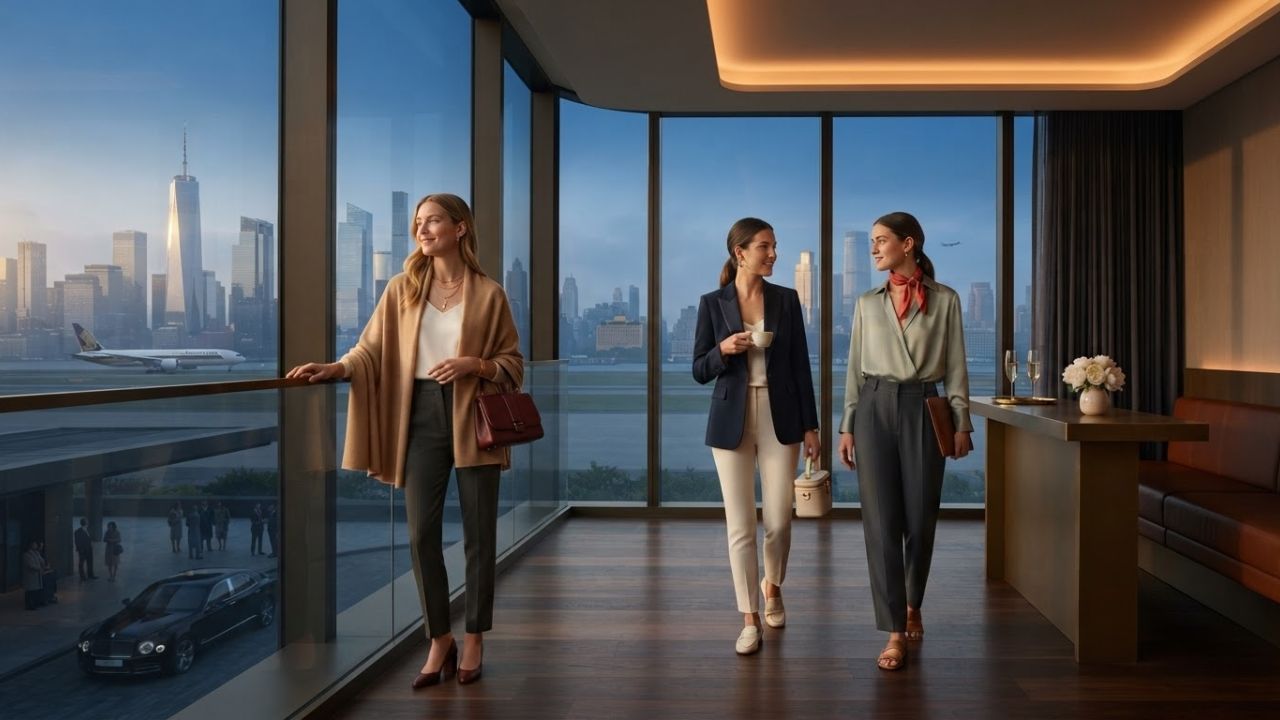
Image generated by AI
Global billionaire wealth reached $19.6 trillion across 3,356 individuals as of July 27, 2026, driving a massive surge in private aviation, luxury hospitality projects, and AI-driven personalization technology.
The Local Trend Revealed: Capital Relocation and Tech Integration
The international luxury travel sector is observing a shift where concentrated private capital and rapid technology-linked fortunes (especially from artificial intelligence) drive institutional investments in high-end aviation, boutique hotels, eco-resorts, and advanced booking systems. According to a wealth analysis using Forbes Real-Time Billionaires data, the global billionaire population grew to 3,356 individuals (up by 400 people year-on-year) with a collective net worth of $19.6 trillion as of July 27, 2026:
- United States Domination: Hosts 990 billionaires collectively worth $8.4 trillion (approx. 30 percent of the global total). The fortunes of Elon Musk, Larry Page, and Jeff Bezos alone reach $1.2 trillion.
- Asian Wealth Centers: China ranks second with 511 billionaires ($2.1 trillion), led by Zhang Yiming with $69.3 billion. Hong Kong separately accounts for 69 billionaires ($410.4 billion), led by Robin Zeng with $62.6 billion. India ranks third with 223 billionaires holding over $1 trillion, led by Mukesh Ambani ($86.8 billion) and Gautam Adani ($85.2 billion). Taiwan accounts for 63 billionaires ($272.2 billion), and Singapore has 57 billionaires ($155.4 billion).
- European Wealth Profile: Germany leads Europe (ranking fourth globally) with 205 billionaires ($944.8 billion), led by Dieter Schwarz ($59.1 billion). Italy has 80 billionaires ($465 billion), led by Giancarlo Devasini ($89.3 billion). The United Kingdom has 60 billionaires ($278.6 billion), led by Michael Platt ($20.9 billion). France holds 53 billionaires ($574.6 billion), while Sweden has 50 billionaires ($212.7 billion).
- Americas and Oceania Profiles: Canada hosts 78 billionaires ($449.5 billion). Brazil leads South America with 73 billionaires ($269.3 billion), including Eduardo Saverin ($33.1 billion) and Vicky Safra ($25.3 billion). Chile has 6 billionaires ($63.8 billion) and Argentina has 5 billionaires ($19.7 billion). Australia hosts 57 billionaires ($242.8 billion), led by Gina Rinehart ($25 billion) and Harry Triguboff ($22.9 billion).
This wealth concentration supports investments in private terminal lounges, long-range business jets, and digital concierge apps designed to enhance global mobility.
Global Billionaire Population & Wealth Parameters (July 2026)
| Leading Country / Territory | Billionaire Population | Collective Stated Wealth | Stated Wealth Leaders | Primary Luxury Travel Sector |
|---|---|---|---|---|
| United States | 990 billionaires | $8.4 trillion | Musk, Page, Bezos: $1.2T | Private aviation, global resorts |
| China | 511 billionaires | $2.1 trillion | Zhang Yiming: $69.3B | Outbound luxury tour systems |
| India | 223 billionaires | Over $1.0 trillion | Ambani: $86.8B / Adani: $85.2B | Premium domestic aviation, hospitality |
| Germany | 205 billionaires | $944.8 billion | Dieter Schwarz: $59.1B | European leisure assets |
| Russia | 146 billionaires | $649.4 billion | Stated regional leaders | High-value Mediterranean leisure |
| Italy | 80 billionaires | $465.0 billion | Giancarlo Devasini: $89.3B | Heritage boutique hotels |
Cultural & Environmental Value: Supporting Sustainable Conservation
For the traveler, the real impact of this private wealth expansion is the accelerated development of high-end conservation tourism models and community-first hospitality ventures. As billionaire investors look to hedge their portfolios, capital increasingly flows into low-density, high-value eco-resorts that prioritize solar microgrids, marine wildlife sanctuaries, and organic local agriculture.
Mapped in coordination with regional trade ministries and cultural heritage foundations, these investments fund community-led biodiversity programs. This ensures that private wealth contributes directly to environmental preservation and regional economic stability.
Destination Specialist Local Insider Tips
To help you navigate luxury hubs and explore cultural locations comfortably, regional specialists suggest the following tips:
- Savor Local Fine Dining: Experience Rocky Mountain and coastal gastronomy. While exploring gateway cities like Sydney or Singapore, seek out heritage restaurants that use locally sourced seafood and organic truffles to support regional food supplies.
- Leverage Secondary Premium Terminals: If flying through major hubs, research boutique regional airports or private terminals that offer faster clearance times and lower crowds compared to main passenger halls.
- Support Community-Owned Luxury Lodges: Choose high-end accommodations that maintain transparent local hiring rules and direct-giving programs to nearby schools and heritage sites.
- Verify Private Island Access Conditions: When booking luxury stays in places like Brazil or Sweden's archipelagos, confirm environmental entry restrictions to protect local island ecosystems.
- Explore Sungei Buloh Wetlands: Take an under-the-radar detour. In Singapore, skip the busy Marina Bay district and take a guided walk through the Sungei Buloh Wetland Reserve to see mangrove boardwalks and local wildlife.
Long-Term Outlook: Green Tech and Aviation
The long-term outlook for global luxury tourism remains strong, driven by the expansion of capital flows and technology-driven personalization systems. As investors fund next-generation hydrogen aviation platforms and regional airports upgrade private terminal infrastructures, premium connectivity will grow. By aligning private capital investments with community-approved sustainability guidelines, developers are building a resilient, high-yield luxury tourism corridor.
Related Travel Guides
Disclaimer
This article is for informational and educational purposes only. It does not constitute legal, financial, or professional advice. While we strive to provide accurate and up-to-date information, travel policies, regulations, and conditions change rapidly. Always verify information with official sources before making travel decisions. Nomad Lawyer makes no representations about the accuracy, reliability, completeness, or suitability of the information provided. Readers should consult qualified professionals for advice specific to their circumstances. The views expressed in this article are those of the author and do not necessarily reflect the views of Nomad Lawyer.
Kunal K Choudhary
Co-Founder & Contributor
A passionate traveller and tech enthusiast. Kunal contributes to the vision and growth of Nomad Lawyer, bringing fresh perspectives and driving the community forward.
Learn more about our team →