
US Canada Travel Faces Uncertainty Amid Lake Ontario Naming Dispute
Diplomatic tensions rise as a U.S. executive order refers to Lake Ontario as Lake America, creating cross-border tourism concerns for Canadian travelers.

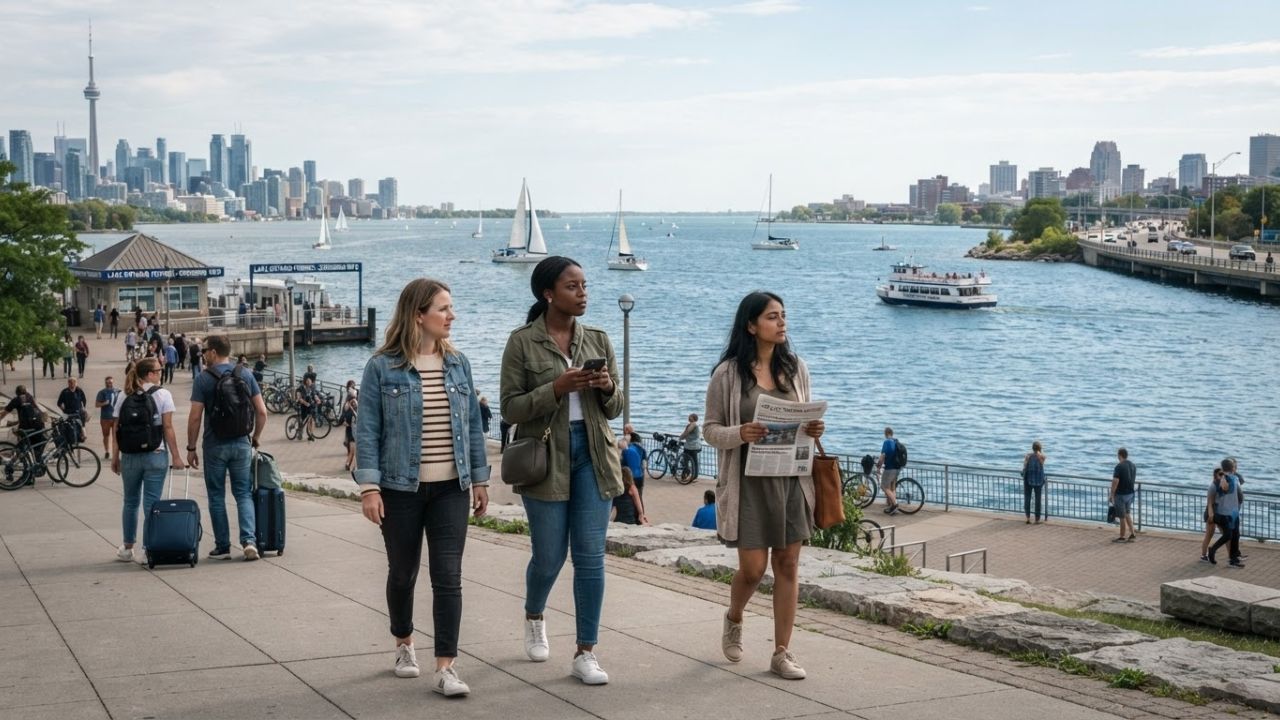
Image generated by AI
Strained diplomatic relations between Washington and Ottawa have created uncertainty for US-Canada cross-border tourism following a dispute over Lake Ontario naming conventions. A recent U.S. executive order directing federal references to identify Lake Ontario as "Lake America" has sparked public debates and concerns regarding holiday travel patterns.
The Local Trend Revealed
Cross-border travel sentiment is highly sensitive to political changes and public perception. The naming dispute concerning the Great Lakes boundary has intensified ongoing trade disagreements, raising concerns among border-state merchants:
- Executive Order Controversy: The U.S. administration issued a directive to refer to Lake Ontario as "Lake America" in official federal references, creating diplomatic friction over the shared body of water that connects Ontario and New York State.
- Canadian Travel Sentiment: Strained relations have prompted discussions in Canada regarding non-essential travel to the United States. Key states relying on Canadian tourists include New York, Florida, California, Arizona, and Nevada.
- Trade and Economic Context: The naming dispute adds to unresolved trade negotiations, economic tariffs, and public debates surrounding national identity, influencing whether travelers feel comfortable booking cross-border holidays.
- Established Corridors: Major regional travel networks connect Vancouver and Seattle, Montreal and the U.S. Northeast, and Toronto and New York, supporting millions of journeys annually through road routes, airports, and rail connections.
Local Community & Environmental Value
For the traveler, the real impact of navigating border travel during political tensions is the opportunity to support local boundary-line economies. Spending travel budgets at family-owned fruit orchards along the Niagara Fruit Belt or purchasing handmade crafts from regional Indigenous artisans near the Great Lakes helps keep tourism dollars in community hands.
Environmental stewardship is supported through public transit and low-impact lake recreation. Taking the Maple Leaf passenger train (Amtrak/VIA Rail link connecting Toronto and New York City) instead of driving reduces greenhouse gas emissions. Additionally, non-motorized paddling and hiking in border state and provincial parks protect the shared Great Lakes water basin ecosystem, aligning with conservation goals monitored by the Great Lakes St. Lawrence Governors & Premiers association.
Visitor Insider Tips for Cross-Border Travel
Travel specialists recommend the following practices for travelers crossing the border:
- Monitor Border Wait Times Online: Before driving across primary bridges like the Rainbow Bridge in Niagara Falls or the Peace Bridge in Buffalo, check the official Canada Border Services Agency (CBSA) and U.S. Customs and Border Protection (CBP) wait-time portals. Cross early in the morning (before 7:00 AM) to avoid delays.
- Organize Travel Documents: Ensure all passengers have valid passports, NEXUS cards, or Enhanced Drivers Licenses (EDLs) ready before reaching the border booth. Answer the officer's questions clearly, roll down front and rear windows, and turn off the vehicle radio.
- Observe the Off-Peak Window: Choose late autumn (November) or early spring (April) for border trips. Processing times are faster, and hotel rates in major border hubs like Niagara Falls or Toronto drop.
- Sample Regional Culinary Specialties:
- In Ontario: Try authentic Poutine (fresh cut fries with squeaky cheese curds and warm gravy).
- In Western New York: Sample Beef on Weck (thinly sliced roast beef on a kummelweck roll encrusted with salt and caraway seeds, served with horseradish).
- Observe Park and Border Etiquette: Do not bring glass containers onto public beaches. Tipping of 15 to 20 percent is standard in both Canadian and American restaurants.
- Explore Under-the-Radar Spots: Skip the crowded Niagara Falls overlooks and hike the quiet trails of the Niagara Glen Nature Reserve on the Canadian side, or visit the historic Fort Niagara State Park in Youngstown, New York, which overlooks the mouth of the lake.
Tourism Outlook
The long-term impact of this diplomatic friction will test the resilience of the US-Canada tourism corridor. By promoting cultural exchanges and regional transit connectivity, the New York State Division of Tourism (I LOVE NY) and Destination Canada aim to maintain visitor confidence, ensuring that deep economic and family connections continue to support border hospitality businesses.
FAQ: US-Canada Border Travel and Naming Dispute
What is the Lake Ontario naming dispute? A U.S. executive order directed federal agencies to refer to Lake Ontario as "Lake America" in official references, leading to diplomatic friction between the U.S. and Canadian governments.
How does the dispute affect tourist travel between the US and Canada? While border crossings and travel infrastructure remain fully operational, the diplomatic tension has prompted public discussions in Canada about limiting non-essential travel to U.S. destinations.
What is the best public transit option between Toronto and New York City? The Maple Leaf passenger train, operated jointly by Amtrak and VIA Rail, connects Toronto and New York City, providing a low-carbon travel alternative to driving.
Which states rely most heavily on Canadian tourists? Border states and major winter destinations, including New York, Florida, California, Arizona, and Nevada, welcome the largest numbers of Canadian travelers.
Related Travel Guides
Disclaimer
This article is for informational and educational purposes only. It does not constitute legal, financial, or professional advice. While we strive to provide accurate and up-to-date information, travel policies, regulations, and conditions change rapidly. Always verify information with official sources before making travel decisions. Nomad Lawyer makes no representations about the accuracy, reliability, completeness, or suitability of the information provided. Readers should consult qualified professionals for advice specific to their circumstances. The views expressed in this article are those of the author and do not necessarily reflect the views of Nomad Lawyer.
Raushan Kumar
Founder & Lead Developer
Full-stack developer with 11+ years of experience and a passionate traveller. Raushan built Nomad Lawyer from the ground up with a vision to create the best travel and law experience on the web.
Learn more about our team →