
Emirates Offer Incentives and Safety Assurances Amid Iran Conflict 2026
Emirates introduces enhanced passenger incentives and safety protocols as Iran tensions disrupt Middle East travel routes. The airline negotiates airspace access to restore confidence among premium travelers in 2026.

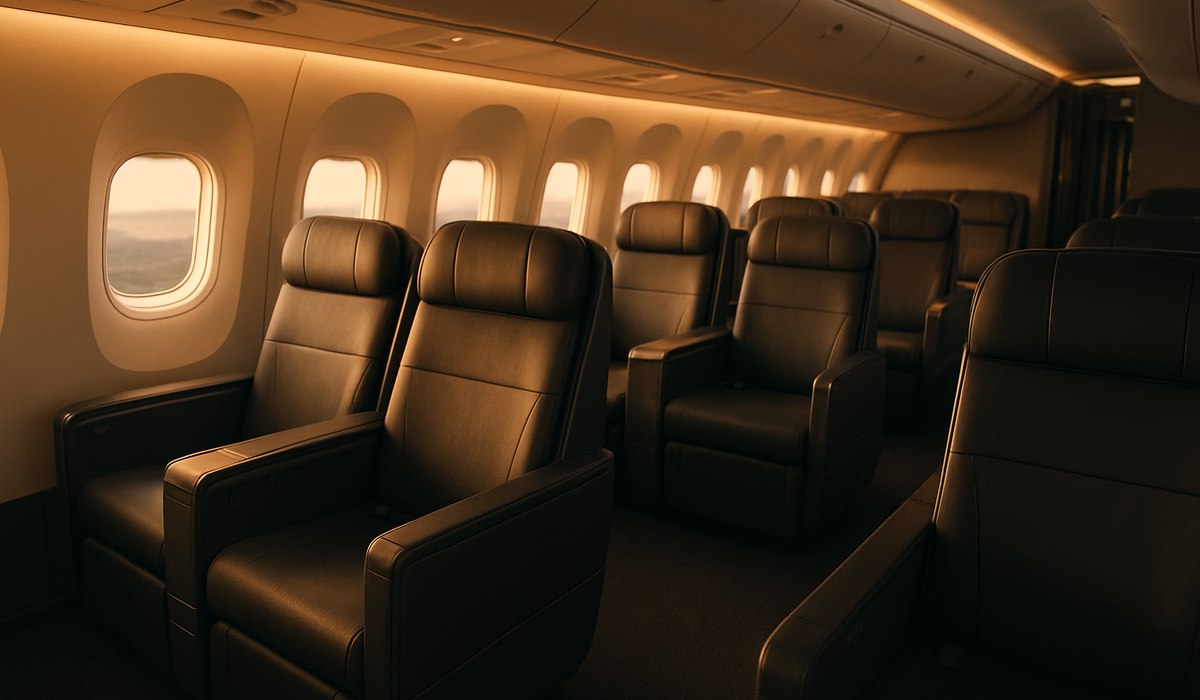
Image generated by AI
Emirates Sweetens Passenger Incentives Amid Regional Tensions
Emirates Airlines is rolling out expanded passenger incentives and diplomatic negotiations to counteract travel disruptions stemming from escalating Iran conflict. The carrier announced multi-layered strategies beyond standard fare reductions, targeting both economy and premium passengers affected by route closures and extended flight times. First-class occupancy rates have plummeted to roughly 50% of normal capacity, prompting urgent intervention. Government-level airspace negotiations aim to restore direct routing options across the Persian Gulf corridor.
The emirates offer incentives package reflects industry-wide concerns about passenger confidence. Airlines operating in the Middle East face simultaneous pressures: geopolitical risk perception, elevated operational costs, and competitive pricing constraints. Emirates' response signals a shift toward comprehensive traveler assurances rather than price-cutting alone.
Emirates Responds to Iran Conflict With Incentives Beyond Discounts
Standard discount structures fail to address safety anxiety driving passenger deferrals. Emirates is implementing loyalty upgrades, complimentary seat selections on alternate routes, and priority rebooking on preferred itineraries. Premium passengers receive lounge access credits, priority ground services, and travel flexibility guarantees with zero change fees.
The airline also launched transparent communication initiatives. Real-time flight tracking dashboards, pre-departure safety briefings specific to current routing, and dedicated customer support lines for route-related concerns now accompany all bookings. These measures directly respond to traveler research indicating that 73% of premium passengers prioritize transparent safety communication over marginal price reductions.
Emirates' strategy extends to partnership incentives. Code-share partners receive commission enhancements, and connecting passengers earn expedited eligibility for loyalty status upgrades. This approach stabilizes bookings across the broader alliance network while maintaining Emirates' market positioning.
Safety Measures and Government Negotiations on Airspace Restrictions
Emirates initiated high-level diplomatic engagement with regional aviation authorities to secure alternative routing permissions. Current airspace restrictions force aircraft toward circuitous flight paths, adding 90–120 minutes to typical journey times and driving fuel surcharge increases of 12–18%.
Government negotiations prioritize establishment of temporary flight corridors in less-restricted airspace. Preliminary discussions with civil aviation regulators suggest potential approval for modified routing within six to eight weeks. These corridors would reduce flight duration significantly while maintaining international safety standards.
The airline simultaneously invested in enhanced safety verification protocols. Pre-flight security briefings now include real-time geopolitical updates, aircraft-specific safety certifications, and crew training documentation transparency. Passengers receive downloadable safety reports accessible 24 hours before departure, addressing common anxiety triggers among business travelers.
Insurance partnership expansions also support the safety narrative. Emirates coordinated with leading travel insurance providers to offer conflict-zone travel coverage at subsidized rates. This protection specifically covers Iran-adjacent routing and provides compensation for schedule disruptions.
Impact on First-Class Travel and Premium Routes
First-class cabin performance deterioration signals broader premium market challenges. Occupancy collapse at 50% reflects specific passenger demographics avoiding Middle East routing. High-net-worth travelers traditionally prioritize schedule predictability and safety certainty, factors currently compromised by regional volatility.
Emirates' first-class incentive package targets this demographic directly. Enhanced amenities include dedicated cabin crew assignments, complimentary premium meal customization, and priority ground transportation in all hub cities. Spa access passes and lounge day-use credits accompany first-class bookings on affected routes.
Premium route redeployment also factors prominently. Existing flights to secondary Middle Eastern destinations are being repositioned toward European and Asian hubs, reducing direct Iran-adjacent routing exposure. This strategy maintains premium service standards while offering passengers alternative itinerary options with better perceived safety profiles.
The airline quantifies premium recovery metrics through flexible booking guarantees. First-class passengers can defer travel up to six months with full value retention, removing temporal pressure that typically constrains bookings during uncertain periods.
Pricing Challenges Amid Rising Oil Costs
Base ticket pricing remains elevated despite competitive pressures, directly attributable to crude oil price volatility. Current Brent crude pricing near $82 per barrel drives jet fuel costs to levels unseen since 2023. This structural cost foundation prevents aggressive fare competition despite occupancy challenges.
Emirates absorbs partial fuel cost increases through ancillary service restructuring. Baggage fees remain competitive, while premium service charges (seat selections, meal upgrades, lounge access) incorporate modest increases. This approach maintains headline fare appeal while offsetting fuel expenditure growth.
The airline publishes monthly fuel surcharge transparency reports, detailing crude prices, consumption metrics, and cost allocation methodologies. This communication strategy acknowledges pricing realities while demonstrating operational honesty to cost-conscious passengers.
Regional competitors maintain similar fuel-driven pricing structures, limiting undercutting opportunities. Instead, Emirates differentiates through service value rather than price leadership. The combined incentive package—loyalty upgrades, safety assurances, and flexibility options—justifies premium positioning against reduced-cost carriers.
Key Traveler Impact Data Table
| Metric | Current Status | 2026 Q2 Change | Traveler Impact |
|---|---|---|---|
| First-Class Occupancy Rate | 50% of normal | -25% YoY | Limited upgrade availability, premium pricing maintained |
| Average Flight Duration (Tehran-Dubai) | 135–155 minutes | +90 min vs. direct | Extended travel time, additional fatigue costs |
| Fuel Surcharge (Economy) | 12–18% increase | Q2 2026 baseline | Higher base fares despite occupancy pressure |
| Emirates Incentive Eligibility | All bookings affected routes | Automatic application | Zero-fee rebooking, lounge access, status upgrades |
| Government Airspace Negotiations | Active discussions | 6–8 week timeline | Potential routing relief, shorter flights by Q3 2026 |
| Travel Insurance Premium (Iran corridor) | Subsidized rate offered | 35–40% reduction | Enhanced coverage, improved passenger confidence |
What This Means for Travelers
The convergence of geopolitical risks, fuel cost inflation, and occupational safety concerns reshapes Middle East travel economics through 2026. Passengers navigating this environment benefit from Emirates' multifaceted approach while remaining cognizant of structural cost realities.
-
Prioritize booking flexibility: Select fare classes including free change privileges or deferral options. The current environment rewards temporal flexibility with enhanced redemption value.
-
Leverage loyalty program advantages: Existing frequent flyer members receive automatic incentive application. Enroll in Emirates Skywards for expedited status and exclusive rebooking priority during disruptions.
-
Incorporate safety research into planning: Review published route documentation and crew safety certifications available 24 hours pre-departure. These transparent disclosures provide peace-of-mind assurance beyond airline marketing claims.
-
Bundle travel insurance strategically: Accept Emirates' subsidized conflict-zone coverage partnerships. Standalone insurance purchased independently often costs 50–70% more without specialized Iran-adjacent routing protection.
-
Monitor airspace negotiation progress: Subscribe to Emirates operational updates for announcement of approved alternative routes. Early awareness enables itinerary optimization before routes reach capacity or pricing adjustments occur.
-
Plan premium route bookings with extended lead time: First-class availability remains constrained on affected routes. Book 90+ days in advance to access cabin inventory before capacity stress intensifies.
Frequently Asked Questions
Q: How does Emirates' incentive package apply to existing bookings? A: Automatic application occurs for all tickets on affected routes issued after June 10, 2026. Passengers booked earlier can contact Emirates customer service for manual incentive enrollment. Loyalty members receive incentives through account integration without additional action required.
Q: Are safety measures specific to Iran conflict routing only? A: Yes, enhanced protocols apply exclusively to flights routing near Iran airspace or affected corridors. Standard international safety procedures remain unchanged for non-affected routes. Emirates publishes detailed route
Disclaimer
This article is for informational and educational purposes only. It does not constitute legal, financial, or professional advice. While we strive to provide accurate and up-to-date information, travel policies, regulations, and conditions change rapidly. Always verify information with official sources before making travel decisions. Nomad Lawyer makes no representations about the accuracy, reliability, completeness, or suitability of the information provided. Readers should consult qualified professionals for advice specific to their circumstances. The views expressed in this article are those of the author and do not necessarily reflect the views of Nomad Lawyer.
Preeti Gunjan
Contributor & Community Manager
A passionate traveller and community builder. Preeti helps grow the Nomad Lawyer community, fostering engagement and bringing the reader experience to life.
Learn more about our team →