
US Autumn Travel Bookings Surge 59% in 2026: The Rise of Coolcations and Urban Escapes

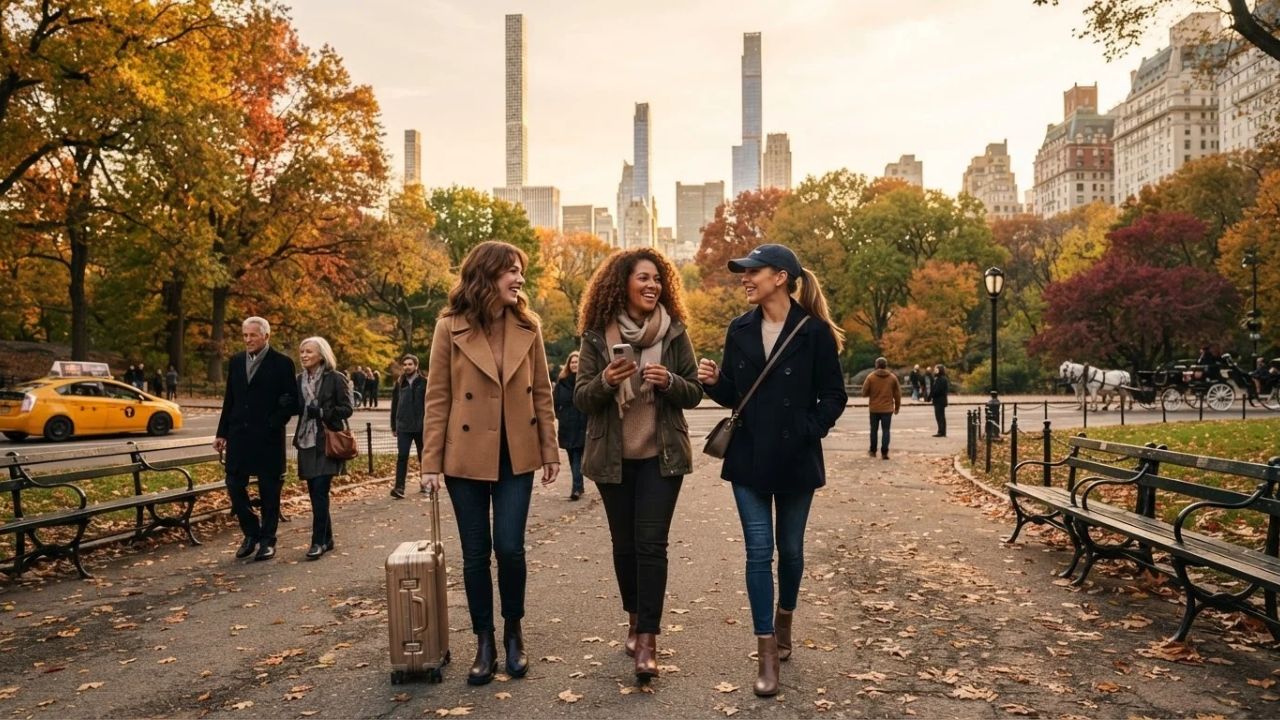
Defying traditional shoulder-season slowdowns, United States autumn travel bookings have surged over 59% year-over-year in 2026, driven by high-income "coolcationers" escaping extreme summer heat. With September high-end bookings leaping 77% and October following at 59%, travelers are filling hotels and cultural circuits across New York, Seattle, and Orlando.
The Local Trend Revealed: The "Coolcation" and "Fallcation" Boom
The longstanding seasonal rhythms of American tourism have permanently shifted. Historically, domestic and inbound tourism peaked sharply in July and August before dropping into a quiet autumn shoulder season. In 2026, escalating midsummer heatwaves across the Northern Hemisphere have led millions of travelers to delay major holidays into September, October, and November.
Coupled with flexible remote-work policies and hybrid corporate schedules that free professionals from rigid summer vacation windows, autumn has emerged as a high-yield travel season. Known across the travel industry as the "coolcation" phenomenon, travelers are actively trading humid beach resorts for crisp mountain air, urban cultural openings, and scenic foliage drives.
Verified Growth Metrics Across US Travel Networks
Data from the Bureau of Economic Analysis (BEA) and the U.S. Travel Association highlights the momentum. Total US travel spending reached $122.8 billion in July 2026 alone—a 5.8% increase compared to July 2025—which carried directly into autumn forward reservations.
Forward booking figures across major luxury consortia and travel distribution networks confirm the scale of this seasonal expansion:
- National Autumn Booking Growth: Advanced bookings for September, October, and November 2026 have jumped over 59% year-over-year nationwide.
- September Paces the Calendar: September 2026 leads overall sales expansion, with high-end luxury sectors recording a 77% increase in sales, positioning September to surpass August in total booking volume and revenue.
- October and November Momentum: Forward reservations for October and November are up 59% and 70% respectively, sustained by autumn events, marathons, and early holiday getaways.
- Luxury Outperformance: Verified network sales within the luxury travel segment jumped 69% for the fall season, as affluent travelers prioritize premium suites, private culinary tours, and bespoke guided experiences.
- Domestic Expenditure Dominance: Domestic leisure trips account for roughly 87% of total American travel spending, anchoring hospitality revenues.
| Travel Sector / Metric | Benchmark / Source | Latest Verified 2026 Data |
|---|---|---|
| National Autumn Bookings | Travel Distribution Networks | Up over 59% year-over-year |
| September Luxury Sales Growth | High-End Booking Consortia | Up 77% year-over-year (outpacing August) |
| October Forward Bookings | Industry Monitoring Systems | Up 59% year-over-year |
| November Forward Bookings | Industry Monitoring Systems | Up 70% year-over-year |
| Luxury Travel Segment Sales | Fall Season Network Reports | Up 69% year-over-year |
| July 2026 US Travel Spending | BEA / U.S. Travel Association | $122.8 billion (up 5.8% vs. July 2025) |
| Inbound International Forecast | NTTO / Department of Commerce | 70.5 million visitors projected in 2026 |
| Domestic Share of Total Spend | U.S. Travel Association | Approximately 87% of total travel spend |
Federal Initiatives and International Inbound Projections
Federal agencies and destination marketing organizations are aligning operations with this expanded travel calendar. The National Travel and Tourism Office (NTTO), a division of the U.S. Department of Commerce, projects total international visitation to the United States will reach approximately 70.5 million visitors in 2026. This trajectory keeps the country on schedule to achieve the National Travel and Tourism Strategy goal of 90 million annual international visitors by 2027.
Brand USA is reinforcing this inbound momentum through international marketing initiatives, including the Brand USA Travel Week UK & Europe hosted in Amsterdam in late September and early October 2026. By highlighting off-peak experiences across all fifty states, overseas buyers are funneling international travelers into American cities during the temperate autumn months.
Urban Gateways Leading the Autumn Wave
Demand is concentrating across distinct metropolitan centers:
- New York City, New York: The drop in summer humidity coincides with the opening of the Broadway theater season, major fashion weeks, and international cultural festivals. Manhattan and Brooklyn hotels report near-capacity occupancy as travelers flock to see autumn colors spread across Central Park.
- Seattle, Washington: The Pacific Northwest has become a primary beneficiary of the coolcation trend. Travelers escaping Southern heat use Seattle as a base to explore Mount Rainier and Olympic National Park while enjoying the city's coffee roasteries and waterfront dining.
- Chicago, Illinois: Architectural river cruises, lakefront park systems, the Chicago Marathon, and major autumn corporate conventions are driving double-digit hotel growth in The Loop compared to 2025.
- Orlando, Florida: Moderating temperatures and family travelers taking advantage of seasonal promotions have turned traditionally slow September weekdays into high-demand booking periods.
- Las Vegas, Nevada: Transitioning from summer pool parties to major corporate conventions, trade expos, and headline entertainment at cutting-edge immersive spheres, Las Vegas captures significant group travel revenue.
- Miami, Florida: A premier "bleisure" hub where conference attendees extend corporate trips into weekend stays across South Beach, Wynwood, and Little Havana before the winter peak.
- Denver, Colorado: Acting as the transit springboard for leaf-peepers viewing golden aspen groves across the Rockies, Denver International Airport reports record autumn passenger throughput.
- Asheville, North Carolina: In the Blue Ridge Mountains, boutique inns and lodges near the Blue Ridge Parkway and the historic Biltmore Estate book out months in advance for peak foliage.
- The Hawaiian Islands: Resorts across Maui, Oahu, and Kauai report robust autumn occupancies, supported by competitive transpacific airfares and community-led sustainable tourism initiatives.
Cultural & Environmental Value: Off-Peak Travel and Conservation
Spreading travel demand into the autumn months yields tangible environmental and community benefits:
- Alleviating Summer Peak Strain: Extending tourism across the calendar relieves pressure on municipal transit, municipal water systems, and fragile ecosystems that suffer when millions converge during brief July and August peaks.
- Timed-Entry Conservation: In high-demand national parks—such as Rocky Mountain, Mount Rainier, and Acadia—the National Park Service deploys timed-entry reservation systems to disperse vehicle congestion, reduce tailpipe emissions, and safeguard alpine wildlife habitats.
- Supporting Agricultural Economies: Autumn travel channels direct spending into regional agro-tourism. Family apple orchards in Upstate New York, artisanal cider mills in New England, and vineyard harvests in California's Napa and Sonoma valleys receive vital direct-to-consumer revenue during harvest months.
- Job Retention: Rather than laying off seasonal hospitality staff at the end of August, hotels, restaurants, and tour operators are maintaining year-round permanent employment, strengthening local labor markets.
Visitor Insider Tips: Navigating the Autumn Travel Wave
To make the most of an autumn getaway while avoiding crowds, keep these insider strategies in mind:
- New York City Theater and Foliage Timing:
- Central Park foliage typically reaches peak brilliance between late October and the first week of November (visit the Ramble, the Conservatory Water, and Bow Bridge).
- Skip the long ticket lines at the Times Square TKTS booth; instead, use the indoor satellite TKTS booth at Lincoln Center for same-day discounted Broadway and Off-Broadway tickets.
- Seattle & Pacific Northwest Coolcation Advice:
- September and early October bring the clearest skies before late autumn rains arrive.
- To visit Pike Place Market without the dense crowds, arrive by 09:00 to pick up warm cider doughnuts and watch flower vendors set up.
- Book rental cars early at Sea-Tac Airport; high regional drive demand can lead to tight weekend vehicle availability.
- Orlando Theme Park Strategy:
- September weekdays offer some of the shortest ride queues of the year, but verify daily park closing times—early afternoon closures are common due to ticketed after-hours Halloween events.
- Venture outside the parks to Winter Park for a 45-minute Scenic Boat Tour through tranquil chain-of-lakes canals.
- Denver & Colorado Aspen Tracking:
- Aspen leaves turn at higher elevations first (mid-to-late September along the Peak to Peak Scenic Byway and Guanella Pass above 9,000 feet).
- Prepare for rapid mountain weather swings: sunny 20°C afternoons can plunge below freezing overnight with sudden high-elevation snow showers.
- Autumn Dining Specialties:
- New York: Fresh-baked apple cider doughnuts and Hudson Valley craft hard ciders at Union Square Greenmarket.
- Pacific Northwest: Freshly caught wild Puget Sound king salmon and Dungeness crab, paired with local hoppy autumn ales.
- Appalachia & South: Roasted mountain chestnuts, warm sweet potato biscuits, and slow-simmered Brunswick stew in Western North Carolina.
Tourism Outlook: Permanent Redistribution of the Travel Calendar
The 59% jump in 2026 autumn bookings marks a structural transformation rather than a temporary anomaly. As remote work flexibility endures and summer climate patterns continue to warm, travelers will increasingly view September through November as the optimal travel window.
Airlines are adjusting schedules accordingly, maintaining high flight frequencies past Labor Day to key regional destinations rather than pulling down autumn capacity. As the United States prepares for historic upcoming international events—including the 2026 FIFA World Cup and the 2028 Summer Olympics in Los Angeles—the successful expansion of the autumn travel season establishes a resilient, year-round tourism economy.
Related Travel Guides
Disclaimer
This article is for informational and educational purposes only. It does not constitute legal, financial, or professional advice. While we strive to provide accurate and up-to-date information, travel policies, regulations, and conditions change rapidly. Always verify information with official sources before making travel decisions. Nomad Lawyer makes no representations about the accuracy, reliability, completeness, or suitability of the information provided. Readers should consult qualified professionals for advice specific to their circumstances. The views expressed in this article are those of the author and do not necessarily reflect the views of Nomad Lawyer.
Preeti Gunjan
Contributor & Community Manager
A passionate traveller and community builder. Preeti helps grow the Nomad Lawyer community, fostering engagement and bringing the reader experience to life.
Learn more about our team →