Uruguay Targets British Holidaymakers as Buenos Aires Ferry Links and New Aviation Pacts Unlock Southern Cone Travel

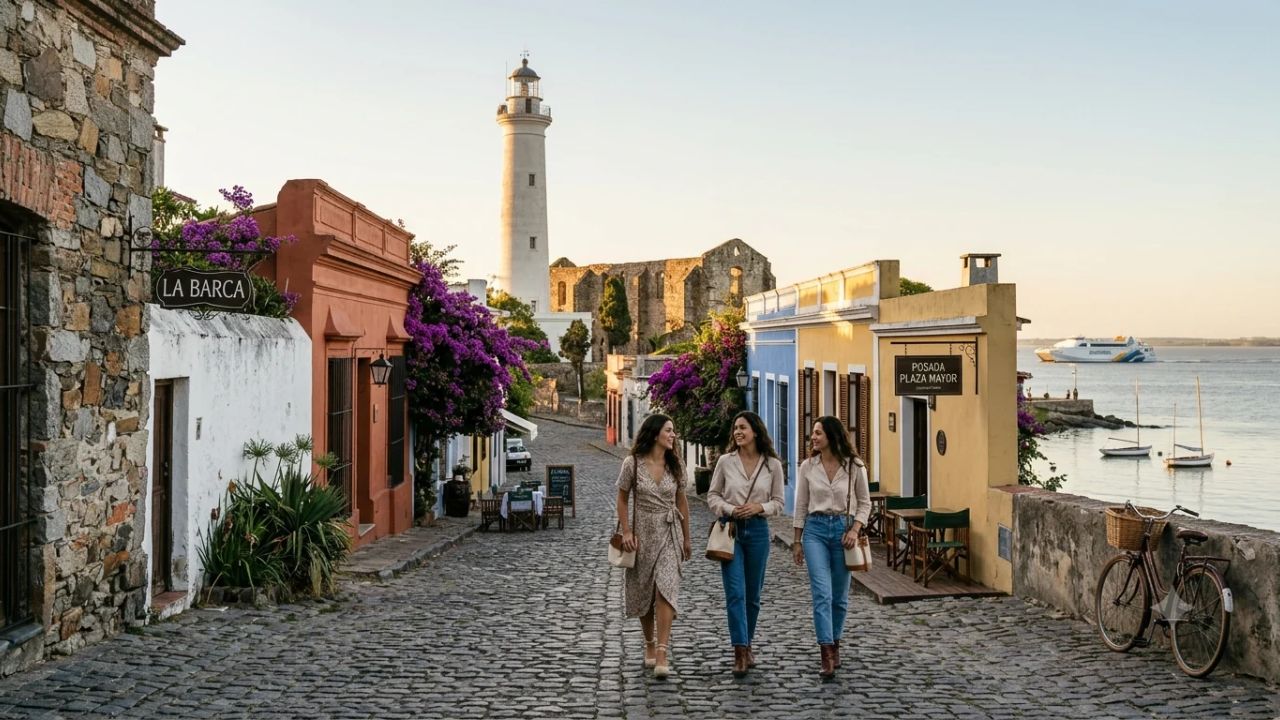
Uruguay is accelerating its international tourism diversification strategy, actively targeting the United Kingdom alongside core European markets including Spain, Germany, France, and Italy to lessen its historical economic dependence on neighboring Argentina and Brazil. Presented during World Travel Market London in November 2026, the promotional campaign leverages high-speed Río de la Plata ferry connections from Buenos Aires, an October 2026 joint aviation incentive initiative, and growing international interest in extended multi-destination Southern Cone vacations. By positioning Montevideo, the UNESCO-listed quarter of Colonia del Sacramento, Punta del Este, José Ignacio, Cabo Polonio, and the interior wine estates of Canelones as longer-stay cultural destinations, Uruguayan tourism authorities aim to capture higher-yielding European travelers who spend significantly longer in the country than regional day-trippers.
The Southern Cone’s leisure economy has entered a strategic phase of structural rebalancing. While Argentina and Brazil remain Uruguay's primary volume anchors—accounting for the vast majority of the approximately 3.6 million international visitors who generated roughly US$2 billion in foreign exchange receipts in 2025—exposure to regional currency volatility has prompted the Ministry of Tourism to expand long-haul outbound source markets. European holidaymakers, particularly British travelers looking to combine Buenos Aires urban culture with Atlantic beaches and rural wine tourism, represent an ideal demographic for geographic dispersal and seasonal smoothing.
Rather than treating Uruguay as a temporary excursion from Buenos Aires, the new commercial push encourages international visitors to construct comprehensive 7-to-14-day overland itineraries. Backed by visa-free access for British passport holders, competitive ferry frequencies, and modern coastal highways, Uruguay offers an accessible entry point into authentic South American hospitality, historical architecture, and undeveloped natural reserves.
URUGUAY TOURISM DIVERSIFICATION MATRIX 2026
| ECONOMIC & MARKET BENCHMARK CURRENT STATUS (2025/2026) STRATEGIC OBJECTIVE |
|---|
| ------------------------------------------------------------------------------------------------ |
| Total International Arrivals Approx. 3.6 Million Visitors Expand long-haul European share |
| Tourism Foreign Receipts Approx. US$2 Billion Increase per-visitor average spend |
| Dominant Source Markets Argentina & Brazil (>70%) Diversify into UK, Spain, Germany |
| Target European Inbound Hubs UK, Spain, Germany, France Longer average stay & higher spend |
| Aviation Policy Action Joint Incentive Pact Oct 2026 Attract new long-haul & regional routes |
| Maritime Entry Conduit Río de la Plata Ferry Links Direct 1-hour link from Buenos Aires |
| Key Holiday Pillars Colonial Heritage, Tannat Wine, Atlantic Beaches, Thermal Springs |
Strategic Rationale: Diversifying Away from Regional Market Volatility
For decades, Uruguay’s tourism performance has been linked to the macroeconomic health of its immediate neighbors. When economic recessions or steep currency devaluations affect Argentina or Brazil, occupancy rates across coastal enclaves like Punta del Este fluctuate dramatically.
Official figures from Uruguay’s Ministry of Tourism indicate that the country welcomed approximately 3.6 million international visitors in 2025, generating US$2 billion in gross tourism spending. However, regional concentration left provincial hoteliers and small business operators vulnerable to seasonal swings, with coastal resorts experiencing intense occupancy during January and February followed by prolonged shoulder-season downturns.
Uruguay International Tourism Revenue & Volume Profile
-------------------------------------------------------------------------------------
Annual International Arrivals (2025):    [3.6 Million Visitors] ====================
Annual Tourism Foreign Exchange Spend:   [US$2 Billion Output] =====================
Regional Source Dominance:               [Argentina & Brazil Drive Bulk of Volume]
Strategic Target Demographic:            [UK & Europe: Higher Spend, Extended Stays]
-------------------------------------------------------------------------------------
To establish economic resilience, Uruguayan tourism authorities deployed a strong commercial presence at World Travel Market London (WTM London) in November 2026. By engaging leading British and European tour operators, wholesale agencies, and experiential travel designers, Uruguay is marketing its destinations as essential components of broader South American circuits.
Data collected by tourism statisticians reveals that European visitors typically maintain a longer average length of stay in Uruguay compared to the overall international visitor baseline. While regional visitors from Buenos Aires frequently visit for short weekend getaways, European travelers allocate multiple nights across varied geographic zones—spending capital on regional vehicle rentals, boutique interior accommodations, winery tasting tours, and local artisan purchases.
| Source Market Category | Primary Feeder Countries | Typical Length of Stay | Primary Travel Characteristics |
|---|---|---|---|
| Traditional Regional Anchors | Argentina, Brazil | Short (2 to 4 days; weekends) | Highly seasonal summer beach holidays, high volume, currency sensitive |
| Priority Long-Haul Target | United Kingdom | Extended (7 to 14 days) | Multi-destination circuits, cultural heritage, nature, high daily spend |
| Continental European Core | Spain, Germany, France, Italy | Extended (8 to 16 days) | Architectural discovery, wine tourism, thermal retreats, slow travel |
| Secondary South American | Chile, Paraguay, Colombia | Moderate (4 to 7 days) | Urban breaks in Montevideo, seasonal events, coastal conferences |
Argentina as the Strategic Long-Haul Gateway: Cross-Border Ferry Logistics
A fundamental pillar of Uruguay’s European growth strategy is leveraging Argentina’s extensive long-haul flight connectivity. Direct nonstop flights from London Heathrow (LHR), Madrid Barajas (MAD), Frankfurt (FRA), Paris Charles de Gaulle (CDG), and Rome Fiumicino (FCO) land daily at Ministro Pistarini International Airport (Ezeiza - EZE) in Buenos Aires.
Rather than competing directly against Buenos Aires for scarce nonstop European widebody routes, Uruguay positions Argentina as an accessible twin-destination gateway. The geographic barrier between the two nations—the Río de la Plata estuary—is crossed daily by established, modern passenger ferry services.
BUENOS AIRES TO URUGUAY CROSS-BORDER TRANSIT MODES
| Column 1 |
|---|
| FERRY OPERATOR ROUTE CORRIDOR TRANSIT TIME OPERATIONAL PROFILE |
| ------------------------------------------------------------------------------------------------ |
| Buquebus Buenos Aires -> Colonia 1 Hour 15 Mins High-speed catamaran; |
| vehicle roll-on/roll-off |
| Buquebus Buenos Aires -> Montevideo 2 Hours 15 Mins Direct fast ferry connecting |
| both national capitals |
| Colonia Express Buenos Aires -> Colonia 1 Hour 15 Mins Budget-friendly passenger |
| ferry with connecting buses |
| Overland Connection Colonia -> Montevideo & Coast 2 to 3.5 Hours Paved Route 1 highway transit |
| by rental car or coach |
High-Speed Catamarans: The Maritime Bridge
Two primary maritime carriers—Buquebus and Colonia Express—operate frequent daily services across the river:
- The Colonia del Sacramento Crossing: The standard ferry transit from Puerto Madero in downtown Buenos Aires across to Colonia del Sacramento takes just 1 hour and 15 minutes. Travelers clear bi-national immigration in a single integrated terminal checkpoint before boarding, eliminating border delays upon arrival on Uruguayan soil.
- Direct Montevideo Fast Ferries: Travelers seeking direct capital-to-capital connections can board express catamarans linking Buenos Aires directly to the Port of Montevideo in approximately 2 hours and 15 minutes, offering an alternative to regional short-haul flights.
- Seamless Coach Connections: Both ferry operators run coordinated coach transfers departing Colonia's ferry port directly to Montevideo's Tres Cruces terminal and the bus terminal in Punta del Este, allowing visitors to transit effortlessly across southern Uruguay.
This maritime proximity enables British travelers to land in Buenos Aires, enjoy several days of urban cultural exploration, and cross the river to Uruguay without undergoing complex airport security procedures.
Aviation Development: The October 2026 Commercial Incentive Pact
While maritime crossings provide steady passenger flows, direct aviation connectivity remains vital for long-term growth. In October 2026, Uruguay’s Ministry of Tourism and the national airport concessionaire (Aeropuertos Uruguay, part of Corporación América Airports) announced a joint commercial development pact.
The initiative provides structured economic incentives, reduced landing tariffs, and co-marketing subsidies for international airlines that inaugurate new routes or increase frequencies into Carrasco International Airport (MVD) in Montevideo and Capitán de Corbeta Carlos A. Curbelo International Airport (PDP) in Punta del Este.
Concurrently, expanded flight capacity into Buenos Aires projected for 2027 will increase long-haul passenger arrivals, expanding the pool of travelers who can be routed into Uruguay. However, tourism economists note that announced airline capacity does not automatically produce high visitor volume. Actual conversion depends on competitive pricing, code-share alignments between European and South American carriers, and active packaging by UK travel advisors.
Regional Destination Portfolio: From Colonial Cobblestones to Ocean Dunes
Uruguay offers a compact, safe, and diverse travel geography. Within a three-hour drive from Montevideo, visitors can experience distinct cultural, coastal, and agricultural landscapes:
URUGUAY COMPREHENSIVE DESTINATION AUDIT
| Column 1 |
|---|
| DESTINATION PROVINCE/DEPARTMENT MAJOR HIGHLIGHTS DOMINANT TRAVEL APPEAL |
| ------------------------------------------------------------------------------------------------ |
| Montevideo Montevideo Ciudad Vieja, Rambla promenade Cultural heritage, urban |
| Teatro Solís, Mercado del Puerto dining, architecture |
| Colonia del Colonia UNESCO Historic Quarter, Colonial walking tours, |
| Sacramento cobbled streets, lighthouse riverside romance, history |
| Punta del Este Maldonado Playa Brava, yacht marinas, High-end luxury resort life, |
| Casapueblo, fine dining upscale nightlife, beaches |
| José Ignacio Maldonado Boutique coastal lodges, Bohemian-chic exclusivity, |
| Playa Vik, oceanfront grills tranquil coastal relaxation |
| Rocha & Cabo Rocha National parks, sand dunes, Untamed nature, eco-lodges, |
| Polonio Cabo Polonio sea lion reserve off-grid coastal discovery |
| Canelones Canelones Boutique family bodegas, Tannat wine tastings, rural |
| historic vineyard estancias winery estate hospitality |
| Salto & Paysandú Salto & Paysandú Daymán, Arapey, and Guaviyú Hydrothermal mineral pools, |
| thermal mineral spring parks wellness, quiet retreats |
| Piriápolis Maldonado Belle Époque architecture, Family coastal holidays, |
| Pan de Azúcar scenic hills outdoor nature walking |
Montevideo: Coastal Capital Culture and Architectural Heritage
Montevideo serves as the cultural anchor of the nation. Situated along the expansive waterfront promenade known as La Rambla—which stretches uninterrupted for over 22 kilometres along the Río de la Plata—the capital combines relaxed coastal living with rich history.
Travelers exploring Ciudad Vieja (the Old City) encounter a varied architectural mix spanning Spanish colonial fortifications, neoclassical civic halls, and well-preserved Art Deco facades. Key landmarks include the historic Teatro Solís, the national history museums, and the celebrated Mercado del Puerto, where traditional parrilladas grill prime cuts of grass-fed beef over open wood embers. With a thriving culinary scene, specialty coffee roasters, and tango halls (milongas), Montevideo offers a relaxed urban stopover.
Colonia del Sacramento: UNESCO Heritage on the Waterfront
Founded in 1680 by Portuguese forces and subsequently contested by the Spanish crown for over a century, Colonia del Sacramento stands as Uruguay's premier historical monument. Its Barrio Histórico (Historic Quarter) was inscribed as a UNESCO World Heritage site in 1995.
Visitors can walk along narrow cobbled streets such as the famous Calle de los Suspiros (Street of Sighs), bordered by original single-story stone dwellings, colonial tile roofs, and ancient sycamore trees. The 19th-century lighthouse, constructed over the ruins of the 17th-century Convent of San Francisco, provides panoramic views across the river toward Buenos Aires. Colonia’s boutique bed-and-breakfasts, art galleries, and waterfront restaurants make it an ideal multi-day entry point for European travelers crossing by ferry.
The Atlantic Coast: Luxury in Punta del Este and Exclusivity in José Ignacio
Heading east toward the open Atlantic Ocean, the department of Maldonado hosts South America’s most prominent beach enclaves:
- Punta del Este: Known as the "St. Tropez of South America," Punta del Este centers around a peninsula separating calm river waters (Playa Mansa) from rolling Atlantic surf (Playa Brava), home to the famous La Mano hand sculpture by Mario Irarrázabal. The resort city features luxury high-rises, international yacht marinas, upscale shopping along Calle 20, and the striking cliffside architecture of Casapueblo, designed by Uruguayan artist Carlos Páez Vilaró.
- José Ignacio: Located thirty minutes further east, José Ignacio presents a quieter coastal atmosphere. Once a quiet fishing village centered around an active lighthouse, it has transformed into an exclusive retreat favored by international creative professionals. Paved highways give way to unpaved sandy tracks, boutique properties like Playa Vik and Posada del Faro, and open-air beachfront seafood restaurants such as the celebrated La Huella.
Rocha: Wild Horizons, Sand Dunes, and Cabo Polonio
For British travelers seeking unspoiled nature and off-grid exploration, the department of Rocha represents an undeveloped frontier. Rocha's Atlantic coast is characterized by expansive freshwater lagoons, national parks, and wild beaches.
The crown jewel of the region is Cabo Polonio, a protected nature reserve located within a sweeping field of coastal sand dunes. Inaccessible by standard vehicles, visitors enter the village aboard four-wheel-drive open-top trucks that traverse several kilometres of shifting dunes.
Cabo Polonio operates off the conventional electrical grid, relying on solar power and wind turbines. The rocky headland surrounding its historic lighthouse hosts one of South America's largest breeding colonies of South American fur seals and sea lions. With no streetlights, the night skies offer exceptional stargazing, appealing to eco-conscious European travelers seeking slow, sustainable travel experiences.
Canelones and Wine Tourism: The Tannat Legacy
Uruguay is the world’s fourth-largest wine producer in South America, internationally celebrated as the preeminent homeland of the Tannat grape. Originally brought from southwestern France in the 19th century, Tannat found an ideal maritime climate in the fertile rolling hills of Canelones, located just 45 minutes north of Montevideo.
Unlike corporate mass-production wineries found elsewhere, Uruguayan viticulture is characterized by family-owned, boutique bodegas. Wineries such as Bouza, Bodega Garzón, Viña Edén, and Juanicó offer guided vineyard walks, cellar tastings, and multi-course wine-pairing lunches. Visitors can stay overnight in restored historic estancias (country ranches), discovering the traditions of Uruguayan gaucho culture, horseback riding through eucalyptus forests, and sampling robust Tannat wines paired with local artisanal cheeses.
Thermal Springs of Salto and Paysandú: Year-Round Wellness
In northwestern Uruguay along the Uruguay River corridor, the departments of Salto and Paysandú host extensive hydrothermal mineral springs drawing from the deep Guaraní Aquifer:
- Termas del Daymán (Salto): Features high-temperature mineral baths, aquatic recreation centers, and specialized hydrotherapy clinics.
- Termas del Arapey (Salto): Hosts luxury five-star all-inclusive thermal spa resorts set amid peaceful countryside.
- Termas de Guaviyú (Paysandú): Offers tranquil hot-spring pools surrounded by native grassland, attracting travelers focused on wellness and restorative recreation.
These thermal destinations provide reasons for travelers to explore northern Uruguay throughout autumn and winter, supporting national efforts to expand tourism beyond summer beach travel.
Multi-Country Southern Cone Circuits for British Travelers
British travelers planning long-haul journeys to South America rarely visit a single country in isolation. Uruguay’s central geographic location allows it to serve as a scenic connector within broader multi-nation Southern Cone itineraries:
RECOMMENDED SOUTHERN CONE MULTI-COUNTRY CIRCUITS
| Column 1 |
|---|
| COUNTRY RECOMMENDED REGIONAL HUBS CORE TOURISM ASSETS |
| ------------------------------------------------------------------------------------------------ |
| Uruguay Montevideo, Colonia, Punta del Este, UNESCO history, Tannat boutique wineries, |
| José Ignacio, Rocha, Canelones Atlantic dunes, quiet coastal elegance |
| Argentina Buenos Aires, Mendoza, Bariloche, Tango culture, Andean Malbec vineyards, |
| Iguazú Falls, Los Glaciares Patagonia glacial lakes, world-class wilderness |
| Brazil Rio de Janeiro, São Paulo, Tropical beaches, vibrant metropolitan arts, |
| Florianópolis, Salvador da Bahia Carnival culture, Atlantic rainforest |
| Chile Santiago, Valparaíso, San Pedro de Atacama desert, coastal poetry, Pacific |
| Atacama, Torres del Paine Patagonia seafood, Patagonian mountain trekking |
Sample 14-Day Dual-Nation Itinerary: Argentina and Uruguay
A popular travel itinerary connects Argentina and Uruguay seamlessly:
- Days 1–4: Arrive in Buenos Aires. Explore the neighborhoods of Recoleta, Palermo, and San Telmo; attend a live performance at Teatro Colón; take a day tour to a traditional pampa estancia.
- Day 5: Board the morning Buquebus catamaran across the Río de la Plata to Colonia del Sacramento. Spend the afternoon walking the cobbled streets of the UNESCO historic district; stay at a boutique colonial inn.
- Days 6–7: Pick up a rental car and drive east along Route 1 to Montevideo. Walk along La Rambla; tour Ciudad Vieja and Teatro Solís; sample grilled meats at Mercado del Puerto.
- Days 8–9: Drive north into Canelones for boutique vineyard tours, cellar tastings, and an overnight estancia farm stay.
- Days 10–12: Continue east to José Ignacio and the coast of Rocha. Visit the sea lion colonies of Cabo Polonio and enjoy fresh Atlantic seafood in José Ignacio.
- Days 13–14: Return to Montevideo for a direct regional flight back to Buenos Aires (or depart via regional connections through São Paulo) for the transatlantic flight home to the UK.
Practical Travel Information for British and European Visitors
Travelers planning an itinerary to Uruguay across late 2026 and 2027 should note essential entry regulations, financial logistics, and seasonal trends:
- Visa Requirements: British citizens holding a full British Citizen passport can enter Uruguay visa-free for tourism stays of up to 90 days. Passports must have at least six months of validity remaining from the date of arrival.
- Tourist Tax Advantages: To maintain competitive pricing for international visitors, Uruguay offers valuable tax incentives. Foreign tourists paying for restaurant dining, catering services, and car rentals with non-Uruguayan debit or credit cards receive a statutory refund of Value Added Tax (VAT), automatically deducted from the final charge.
- Currency and Driving Regulations: The national currency is the Uruguayan Peso (UYU), though US dollars are widely accepted in coastal resort centers. Driving is on the right-hand side of the road. Roads connecting Colonia, Montevideo, and Punta del Este are modern and well-maintained; automated highway toll plazas (Telepeaje) link directly to rental car license plates.
- Seasonal Timing:
- Peak Coastal Season (December to February): High temperatures, vibrant beach life, and full hotel occupancies in Punta del Este and José Ignacio. Advance reservations are essential.
- Grape Harvest and Autumn (March to May): Ideal for wine tasting in Canelones, uncrowded city walks in Montevideo, and pleasant temperatures across the interior.
- Thermal Season (June to October): Cooler weather ideal for the thermal spring resorts of Salto and Paysandú.
Frequently Asked Questions
Why is Uruguay targeting British and European holidaymakers?
Uruguay is expanding into the UK, Spain, Germany, France, and Italy to diversify its tourism sector away from its historical dependence on Argentina and Brazil. European travelers generally take longer holidays and spend more per trip, distributing tourism revenue across regional interior bodegas, thermal resorts, and coastal reserves.
Can British citizens visit Uruguay without a visa?
Yes. British citizens traveling on a full British Citizen passport do not require a tourist visa for stays of up to 90 days. Visitors must ensure their passport remains valid for at least six months beyond their intended departure date.
How do travelers get from Buenos Aires to Uruguay?
Travelers can cross the Río de la Plata estuary via high-speed passenger catamarans operated by Buquebus or Colonia Express. The crossing from Puerto Madero in Buenos Aires to Colonia del Sacramento takes 1 hour and 15 minutes, with joint immigration clearance completed prior to boarding. Direct fast ferries also connect Buenos Aires to Montevideo in approximately 2 hours and 15 minutes.
What are Uruguay's main tourist destinations beyond the beaches?
Beyond the coastal resorts of Punta del Este and José Ignacio, Uruguay offers the UNESCO-listed colonial quarter of Colonia del Sacramento, cultural and culinary attractions in Montevideo, boutique Tannat wine estates in Canelones, the off-grid nature reserve of Cabo Polonio in Rocha, and hydrothermal mineral springs in Salto and Paysandú.
Related Travel Guides
This article is for informational purposes. Flight routes, passenger regulations, visa rules, and transit advisories are subject to change by airlines and aviation authorities. Readers are advised to verify schedules and travel documentation with relevant carriers and border agencies before departure.
Related Stories
Queensland Unveils 2046 Cape York and Torres Strait Regional Plan Integrating Infrastructure and Indigenous Ecotourism
Saudi Arabia and Gulf Allies Power $371 Billion Tourism Boom as Smart Tech and Seamless Visitor Journeys Redefine Growth