
United States to Restore Direct Commercial Flights to Lebanon in 2026 After 41-Year Suspension
The United States has initiated the process to restore direct commercial aviation links to Lebanon for the first time since 1985, pending security certification of Beirut–Rafic Hariri International Airport.

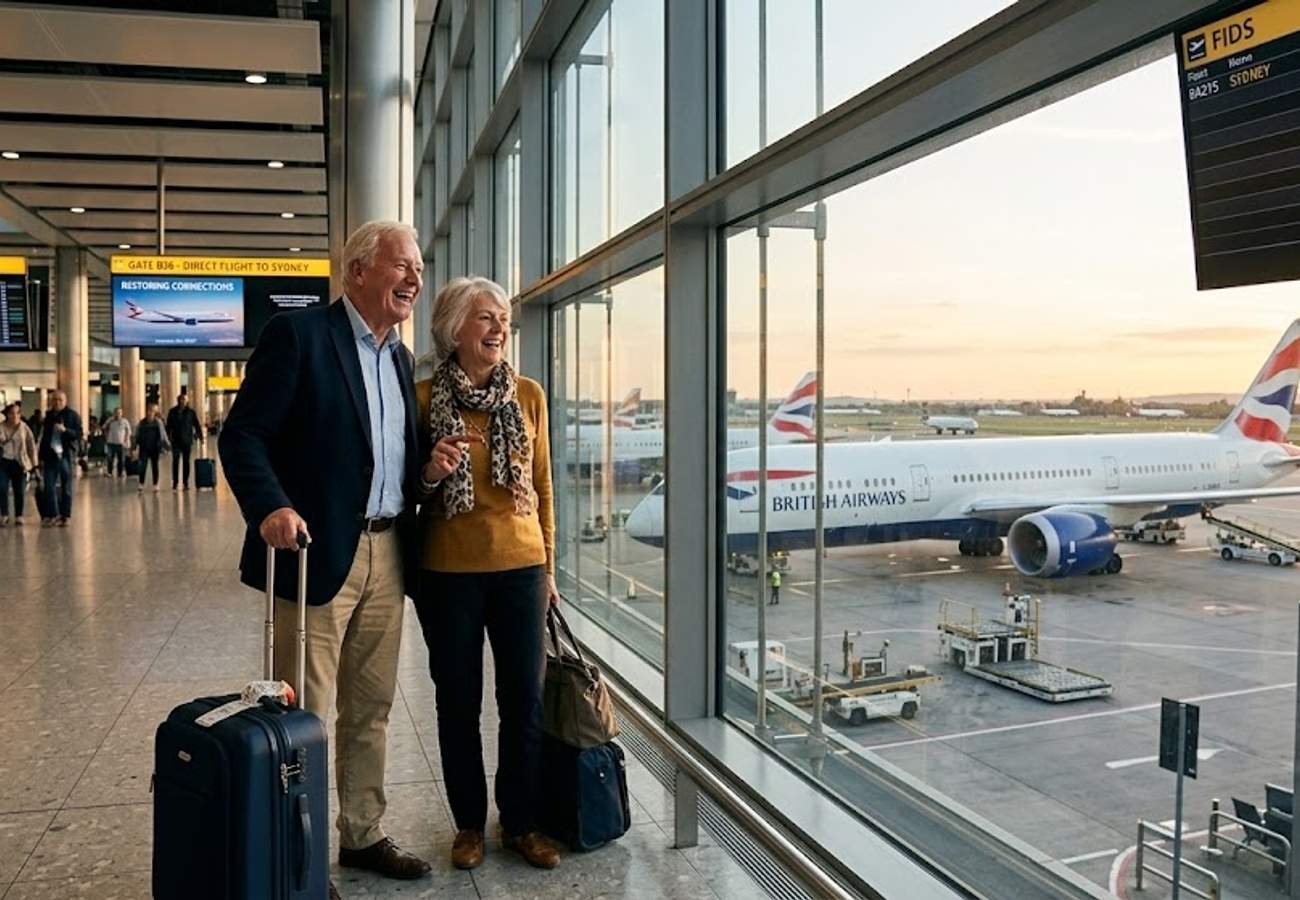
Image generated by AI
Headline Options:
- Factual/News: United States Initiates Process to Restore Direct Commercial Flights to Lebanon After 41-Year Suspension Following 1985 Security Halt
- Curiosity-Gap: The 40-Year Wait is Over: How the Return of US-Lebanon Direct Flights Will Transform Transatlantic Travel
- Problem-Solving: Ending the Connection Cycle: The Fastest Way to Travel Between the United States and Lebanon Starting in 2026
The end of a four-decade aviation drought is imminent as the United States moves to authorize direct commercial flights to Lebanon, potentially eliminating the need for European or Gulf layovers for millions of passengers.
The Core Transit Update: Ending the 1985 Suspension
For the first time since 1985, the United States has opened the regulatory door to restoring non-stop commercial aviation services between the US and Lebanon. Direct operations were originally terminated following the hijacking of TWA Flight 847, which triggered long-term security restrictions.
The restoration is not immediate. The transition from policy change to active flight schedules depends entirely on the security certification of Beirut–Rafic Hariri International Airport. US aviation authorities must conduct rigorous audits of passenger screening, baggage inspection, restricted-area access, and emergency protocols. Only after the airport meets these specific US security standards can airlines apply for slots and deploy aircraft.
Lebanon Aviation Expansion and Route Specifications
While US direct flights remain in the approval phase, Lebanon is aggressively expanding its broader aviation infrastructure to accommodate increased capacity.
| Project/Operator | Expected Timeline | Key Destinations/Capacity | Estimated Investment |
|---|---|---|---|
| Fly Beirut (LCC) | 2027 | Dubai, Istanbul, Paris, Copenhagen, Berlin, Amsterdam, Düsseldorf | N/A |
| Beirut Airport Terminal 2 | Ongoing | +5 Million passengers per year | US$500 Million |
| Regional Capacity | July 2026 | 22.9 Million departing seats (Middle East region) | N/A |
Traveler Logistics Guide: Navigating the Transition
From a ground-level perspective, the best way to navigate this transition is to maintain a flexible booking strategy. Until a specific US carrier confirms a launch date and aircraft type, passengers should not abandon connecting hubs entirely.
Optimal Connection Strategies Until direct flights are operational, the most efficient transit points remain:
- European Hubs: Paris (CDG), London (LHR), and Frankfurt (FRA).
- Middle Eastern Hubs: Istanbul (IST), Doha (DOH), and Dubai (DXB).
Customs and Digital Policies Travelers should be aware of shifting regional policies. For instance, the UAE lifted restrictions on nationals traveling to Lebanon in June 2026. However, UAE citizens must still utilize the Ministry of Foreign Affairs’ Twajudi platform for registration. US travelers should monitor State Department advisories and ensure all digital entry permits are updated according to the latest Lebanese immigration laws.
Booking Advice When direct flights eventually launch, expect initial volatility in pricing. It is recommended to book "open-jaw" tickets if visiting multiple Lebanese cities (e.g., arriving in Beirut and departing via a regional hub) to maximize itinerary efficiency.
Infrastructure Impact Assessment
The restoration of US-Lebanon air links is a catalyst for regional economic recovery. By removing the friction of third-country transfers, Lebanon expects a surge in high-value tourism and diaspora-led investment.
The impact extends beyond simple passenger counts; it enhances the viability of the US$500 million second terminal project at Beirut–Rafic Hariri International Airport. Increased connectivity is expected to drive demand for the hospitality sectors in Baalbek, Byblos, Batroun, the Chouf region, and the Mediterranean coast. Furthermore, the introduction of Fly Beirut in 2027 will create a competitive pricing environment, making the region more accessible to budget-conscious travelers and students.
The return of these flight paths marks the most significant shift in US-Lebanon aviation since the mid-1980s.
Related Travel Guides
Disclaimer
This article is for informational and educational purposes only. It does not constitute legal, financial, or professional advice. While we strive to provide accurate and up-to-date information, travel policies, regulations, and conditions change rapidly. Always verify information with official sources before making travel decisions. Nomad Lawyer makes no representations about the accuracy, reliability, completeness, or suitability of the information provided. Readers should consult qualified professionals for advice specific to their circumstances. The views expressed in this article are those of the author and do not necessarily reflect the views of Nomad Lawyer.

Preeti Gunjan
Contributor & Community Manager
A passionate traveller and community builder. Preeti helps grow the Nomad Lawyer community, fostering engagement and bringing the reader experience to life.
Learn more about our team →