
United States and Americas Tourism Shift to AI-Driven Sustainable Models in 2026
The United States, Canada, Mexico, and South American nations are transitioning from traditional sightseeing to AI-powered, sustainable, and wellness-focused tourism models in 2026.

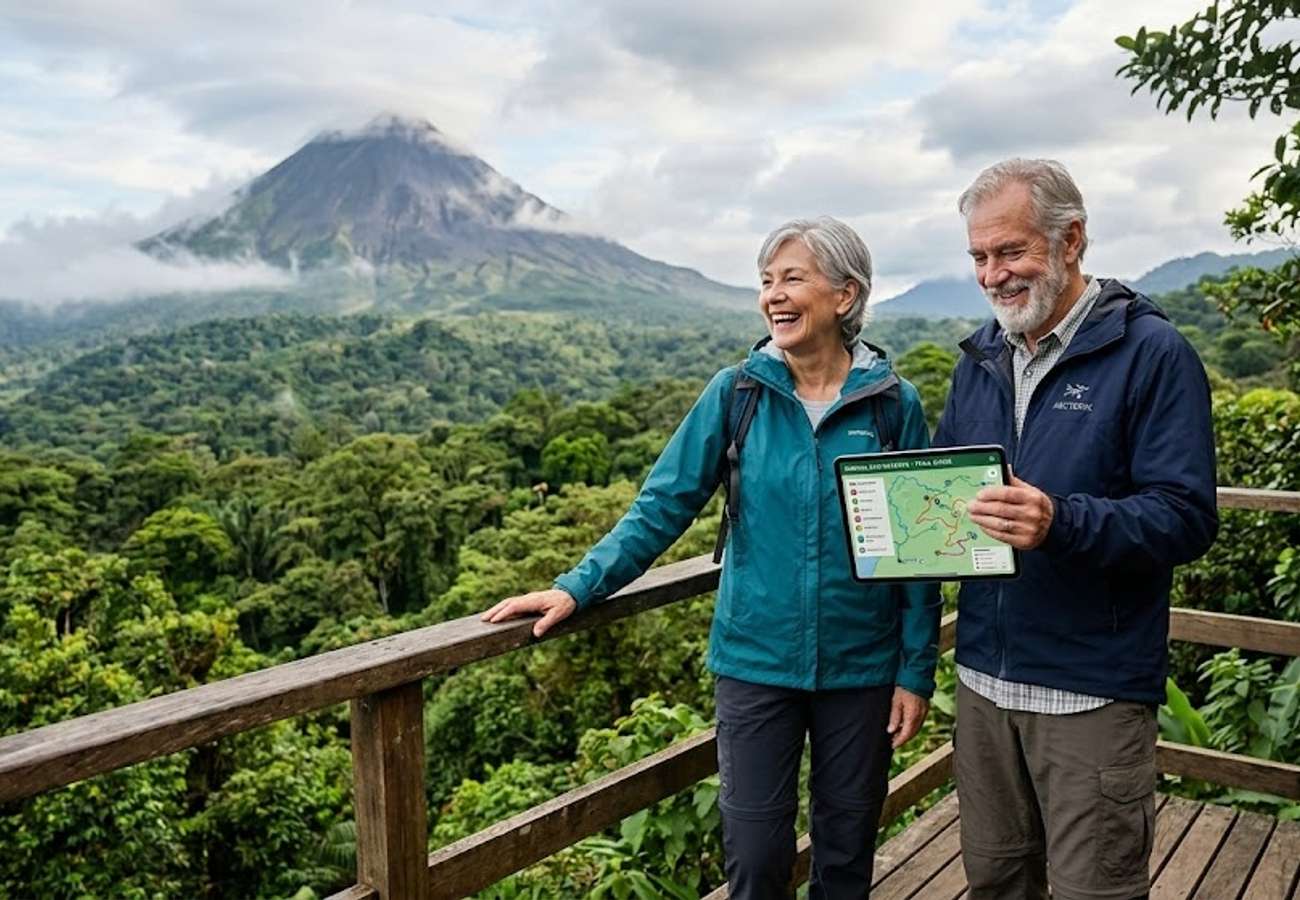
Image generated by AI
The tourism sector across the Americas is undergoing a systemic transition as the United States, Canada, Mexico, and several Latin American nations move away from traditional sightseeing toward AI-integrated, sustainable, and immersive travel models.
In 2026, the regional travel landscape is being redefined by a shift in consumer demand. Travelers are increasingly bypassing conventional landmark-based itineraries in favor of personalized journeys, wellness-focused escapes, and responsible adventures. This evolution is forcing national tourism boards to redesign strategies, prioritizing digital transformation and environmental stewardship over mass-market volume.
The United States continues to lead as a primary tourism powerhouse, leveraging advanced infrastructure and global connectivity. Simultaneously, Caribbean destinations, specifically the Dominican Republic, are pivoting toward luxury and cruise-based growth integrated with authentic cultural offerings.
Regional Tourism Transformation Specifications 2026
The following data outlines the specific drivers, technological implementations, and strategic advantages currently being deployed across the Americas.
| Country | Primary Growth Driver | Technology & Innovation | Key Experience Segments | Strategic Advantage |
|---|---|---|---|---|
| United States | Premium & AI-driven planning | Biometric processing, smart airports, digital concierges | National parks, wellness retreats, sports tourism | Advanced infrastructure & strong domestic demand |
| Canada | Nature & Indigenous experiences | AI-assisted planning, sustainability monitoring | Northern Lights, wildlife, outdoor adventure | Strong environmental reputation |
| Mexico | Cultural & Heritage travel | Digital tourism platforms, smart destinations | Mayan heritage, gastronomy, archaeological sites | Global brand recognition & cruise expansion |
| Brazil | Experiential & Biodiversity | Digital transformation of visitor services | Amazon eco-tourism, Carnival, indigenous culture | World-class biodiversity |
| Costa Rica | Sustainable leadership | Eco-certification systems, digital visitor mgmt | Rainforests, conservation, adventure sports | Global pioneer in sustainability |
| Dominican Rep. | Resort & Cruise expansion | Smart hospitality, improved airport connectivity | Caribbean cruises, music, local heritage | Strong Caribbean premium positioning |
| Jamaica | Cultural & Wellness | Destination tech upgrades, digital visitor services | Reggae culture, gastronomy, beach wellness | Globally recognizable cultural identity |
| Panama | Connectivity & "Bleisure" | Smart airport hubs, digital travel platforms | Canal tourism, rainforest, city breaks | Strategic link between North & South America |
| Colombia | Digital Nomad growth | Tech-enabled visitor services, digital campaigns | Coffee regions, Cartagena heritage, Amazon | Rapidly improving international image |
| Peru | Heritage renewal | Digital heritage interpretation, online mgmt | Machu Picchu, Andes, indigenous experiences | Top-tier cultural tourism assets |
| Argentina | Luxury & Wine tourism | Digital booking ecosystems, personalized services | Patagonia, wine routes, Buenos Aires culture | Blend of urban culture & dramatic nature |
| Chile | Astronomy & Adventure | Smart tourism solutions, digital info systems | Atacama Desert, Patagonia, wilderness travel | Exceptional natural diversity |
| Uruguay | Slow tourism & Wellness | Modern visitor services, digital promotion | Rural tourism, heritage towns, coastal travel | Safe, high-quality alternative destination |
| Ecuador | Biodiversity & Nature | Digital conservation tools, visitor info systems | Galápagos Islands, Andes, Amazon | Compact geography with high biodiversity |
| Belize | Eco-marine tourism | Sustainable destination mgmt, digital engagement | Coral reefs, diving, Mayan jungle adventures | Combined Caribbean/Central American assets |
Traveler Logistics Guide: Navigating the 2026 Shift
As destinations integrate AI and sustainability certifications, the logistics of traversing the Americas have changed. Travelers should adopt the following strategies for seamless transit:
Digital Transit & Entry With the rollout of biometric processing and smart airport technology in the US and Panama, travelers should ensure their digital travel credentials (and any applicable e-visas or digital authorizations) are updated 72 hours prior to departure. In the US, utilize digital concierge services provided by airports to navigate terminals and customs more efficiently.
Booking "Bleisure" and Immersive Stays The rise of "bleisure" (business + leisure) in hubs like Panama City and Bogotá suggests that travelers should book flexible-date accommodations. When targeting "Slow Tourism" in Uruguay or "Eco-tourism" in Costa Rica, prioritize providers with verified eco-certifications to ensure the journey aligns with regional sustainability mandates.
Optimal Connection Planning For those combining multiple South American destinations (e.g., Peru and Argentina), use AI-driven travel assistants to optimize flight paths. Because many destinations are moving toward "digital heritage interpretation," downloading official site-specific apps before arriving at locations like Machu Picchu or the Galápagos Islands is essential to avoid connectivity gaps in remote areas.
Infrastructure Impact Assessment
The transition toward AI-powered tourism is significantly reducing the friction of international travel. The implementation of biometric processing and smart airport connectivity—particularly in the US and Panama—is reducing boarding times and customs bottlenecks.
From a regional perspective, the move toward sustainability is shifting tourism traffic away from over-saturated "landmark" sites and distributing it toward rural and indigenous communities. This decentralization is driving infrastructure investment into previously underserved areas, such as the Colombian coffee regions and the Chilean wilderness. The result is a more resilient tourism ecosystem that prioritizes long-term environmental health over short-term passenger counts.
The Americas are no longer just destinations for sightseers, but laboratories for the future of responsible, tech-integrated travel.
Related Travel Guides
Disclaimer
This article is for informational and educational purposes only. It does not constitute legal, financial, or professional advice. While we strive to provide accurate and up-to-date information, travel policies, regulations, and conditions change rapidly. Always verify information with official sources before making travel decisions. Nomad Lawyer makes no representations about the accuracy, reliability, completeness, or suitability of the information provided. Readers should consult qualified professionals for advice specific to their circumstances. The views expressed in this article are those of the author and do not necessarily reflect the views of Nomad Lawyer.
Preeti Gunjan
Contributor & Community Manager
A passionate traveller and community builder. Preeti helps grow the Nomad Lawyer community, fostering engagement and bringing the reader experience to life.
Learn more about our team →