
USA Playcation Tourism Trends 2026: The Rise of Hobby-Focused Travel and Active Escapes
The 2026 'Playcation' trend is reshaping American tourism as travelers swap traditional sightseeing for skill-based holidays centered on surfing, pickleball, and outdoor adventure.

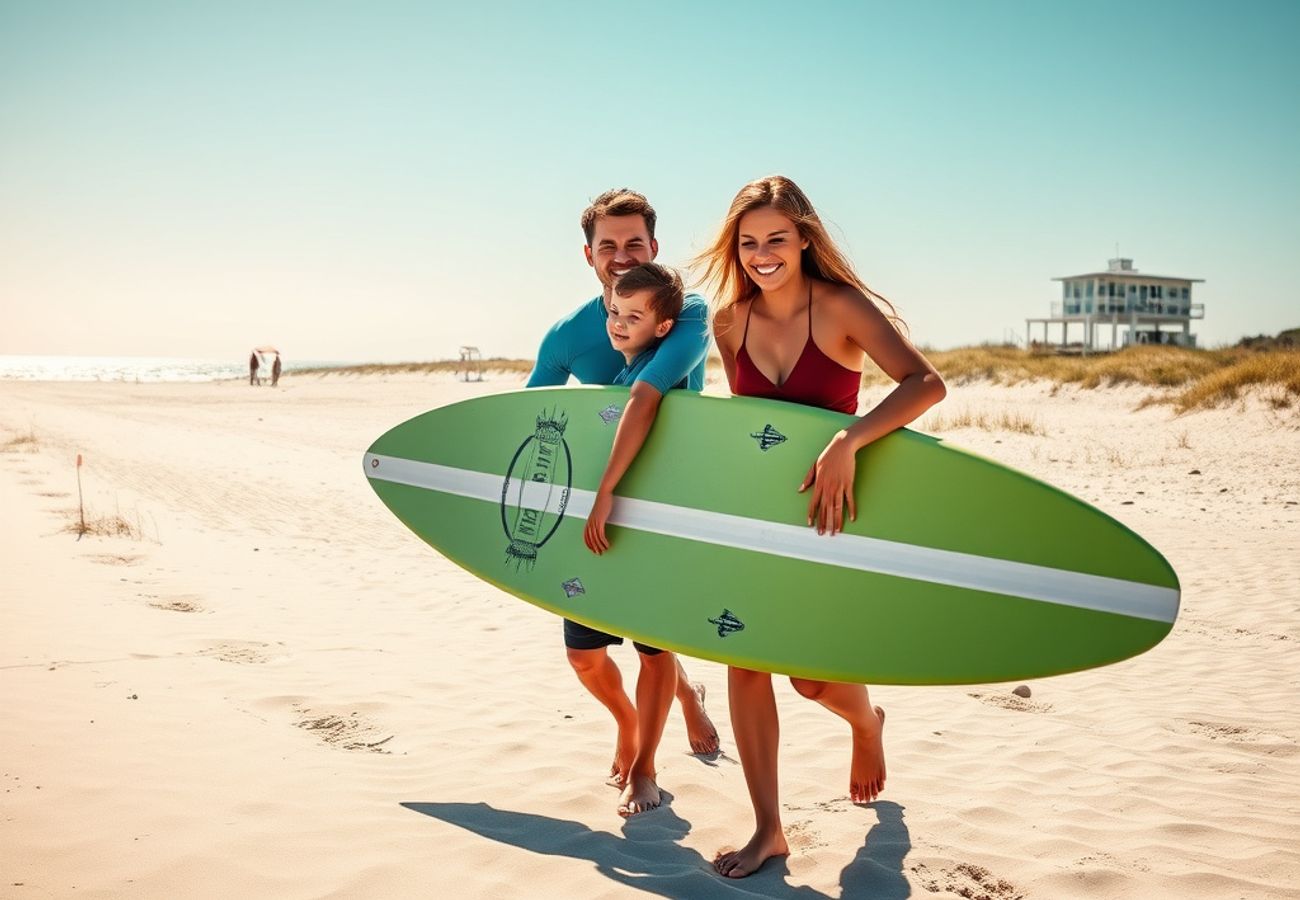
Image generated by AI
The American tourism sector is undergoing a fundamental behavioral shift in 2026. Traditional sightseeing is being superseded by "Playcations"—holidays designed around personal hobbies, recreation, and the pursuit of specific skills.
Rather than visiting a city to check off a list of landmarks, modern travelers are selecting destinations based on the ability to improve a craft, compete in a sport, or engage deeply with a personal passion. This movement is transforming coastal towns and mountain communities into specialized hubs for active, meaningful travel.
The Mechanics of the Playcation Trend
A Playcation integrates a traveler's primary interest—such as astronomy, wildlife photography, or cycling—into the core of the itinerary. This shift is driven by a demand for personal value and emotional achievement over passive observation.
Several factors have accelerated this transition:
- Remote Work Flexibility: The ability to work from anywhere allows travelers to extend their stays in hobby-centric locations.
- Digital Communities: Niche online groups now act as primary travel agents, recommending hidden surf breaks, obscure hiking trails, or the clearest dark-sky preserves.
- Value Shift: There is a growing preference for "collecting" milestones and skills rather than physical souvenirs.
Generational Drivers: Millennials and Gen Z
The surge in experience-based travel is most prominent among Millennials and Generation Z. These cohorts prioritize personal growth and storytelling over traditional luxury or sightseeing.
While a standard holiday might involve a brief visit to a monument, a Playcation involves immersion. A traveler learning to surf on the Atlantic coast or a climber tackling new routes in a mountain range develops a lasting emotional bond with the destination. This creates a cycle of repeat visitation, as travelers return annually to refine their skills or reunite with the community they discovered during their first visit.
Surfing and Coastal Economic Revitalization
Surf tourism has evolved from a niche activity into a major economic driver for smaller American coastal communities. These regions are moving away from competing with global surf meccas, instead focusing on authenticity and accessibility.
Holden Beach, North Carolina, serves as a prime example of this strategy, attracting visitors seeking a relaxed, surf-focused escape. Similar growth is being observed across coastal regions in California, Oregon, and Florida.
Because surf conditions vary by season, this trend helps coastal towns mitigate the "off-season" slump. Surf enthusiasts travel year-round based on swell forecasts and competition schedules, providing a steady stream of revenue for local instructors, rental shops, and hospitality providers.
The Pickleball Boom and Resort Adaptation
Pickleball has transitioned from a recreational pastime to a powerful catalyst for sports tourism. The demand for court access and tournament play is now a primary factor in hotel and resort selection.
To capture this market, hospitality providers in Arizona, Florida, and California are aggressively converting underutilized tennis courts into pickleball facilities. The appeal of the sport lies in its social nature, making it equally attractive to retirees and younger adults seeking active lifestyles.
For destinations, pickleball encourages longer average lengths of stay. Visitors often travel for multi-day tournaments or intensive training sessions, increasing their spend on local dining and services.
Expanding Beyond Urban Hubs via Adventure Hobbies
The Playcation movement is redirecting tourist traffic away from major metropolitan areas and toward rural, outdoor-centric regions. This shift is benefiting mountain towns and protected landscapes.
The National Park Service remains a cornerstone of this growth, providing the infrastructure for:
- Hiking and Climbing: Travelers planning trips around specific trail systems or peak ascents.
- Cycling: Route-based travel focusing on scenic vistas and endurance challenges.
- Photography: Specialized trips dedicated to capturing rare wildlife or celestial events.
These activities require more preparation and time than a city tour, leading to longer stays in rural communities and the growth of guided experience services.
Economic Implications of Specialized Tourism
The move toward hobby-based travel allows smaller destinations to carve out a competitive identity without needing a world-famous landmark. By becoming a recognized "center of excellence" for a specific activity—whether it is a dark-sky preserve for astronomers or a climbing hub for mountaineers—communities build intense visitor loyalty.
This specialization transforms the tourism model from a one-time transaction into a long-term relationship, ensuring sustainable economic growth through repeat visits and community-integrated travel.
The 2026 travel landscape proves that for the modern American traveler, the journey is no longer about where they go, but what they can achieve while they are there.
Related Travel Guides
Disclaimer
This article is for informational and educational purposes only. It does not constitute legal, financial, or professional advice. While we strive to provide accurate and up-to-date information, travel policies, regulations, and conditions change rapidly. Always verify information with official sources before making travel decisions. Nomad Lawyer makes no representations about the accuracy, reliability, completeness, or suitability of the information provided. Readers should consult qualified professionals for advice specific to their circumstances. The views expressed in this article are those of the author and do not necessarily reflect the views of Nomad Lawyer.
Raushan Kumar
Founder & Lead Developer
Full-stack developer with 11+ years of experience and a passionate traveller. Raushan built Nomad Lawyer from the ground up with a vision to create the best travel and law experience on the web.
Learn more about our team →