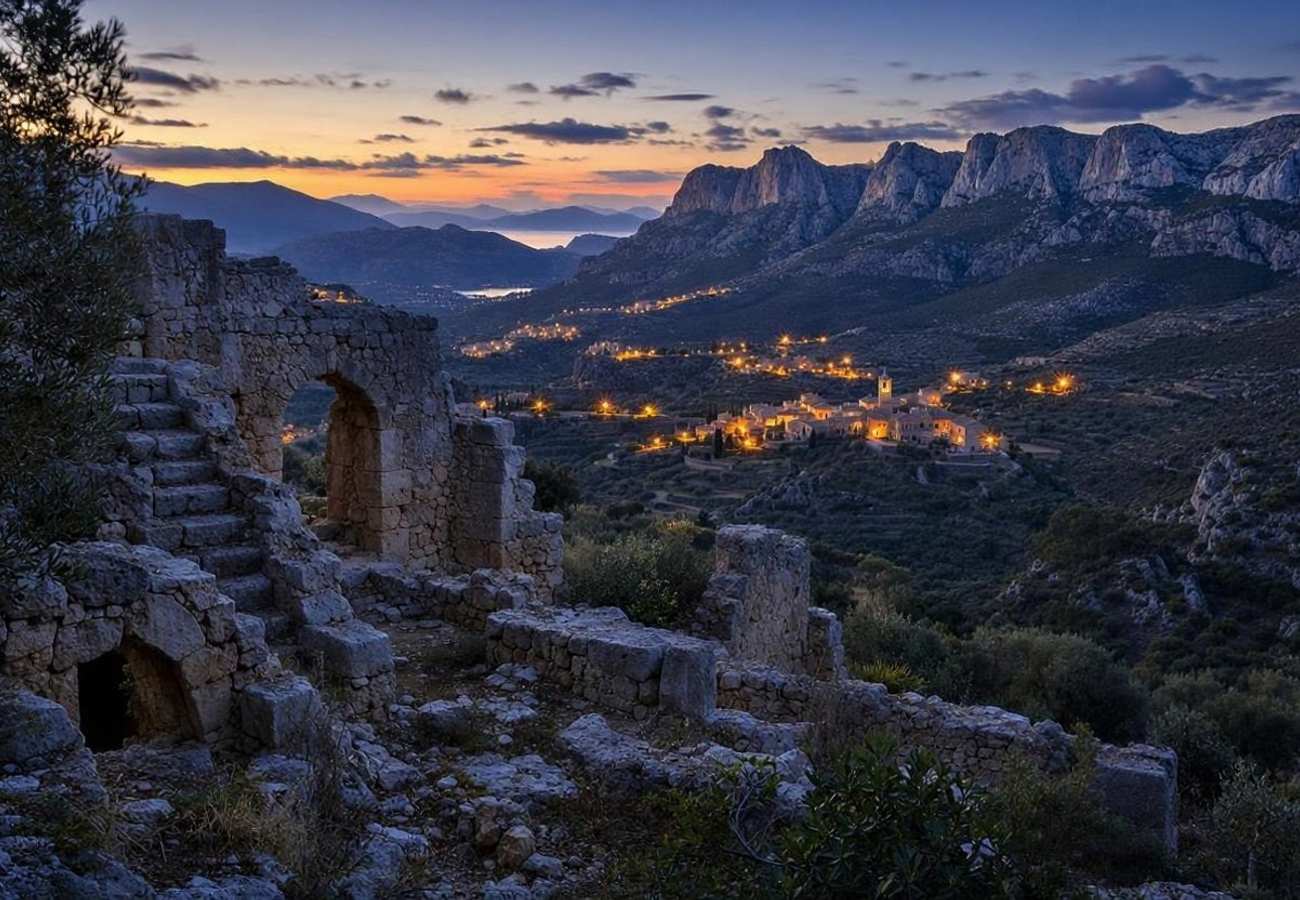
United Kingdom Joins Scotland And More As Grantown-On-Spey Reveals Highland Trails, Fishing And Culinary Escapes

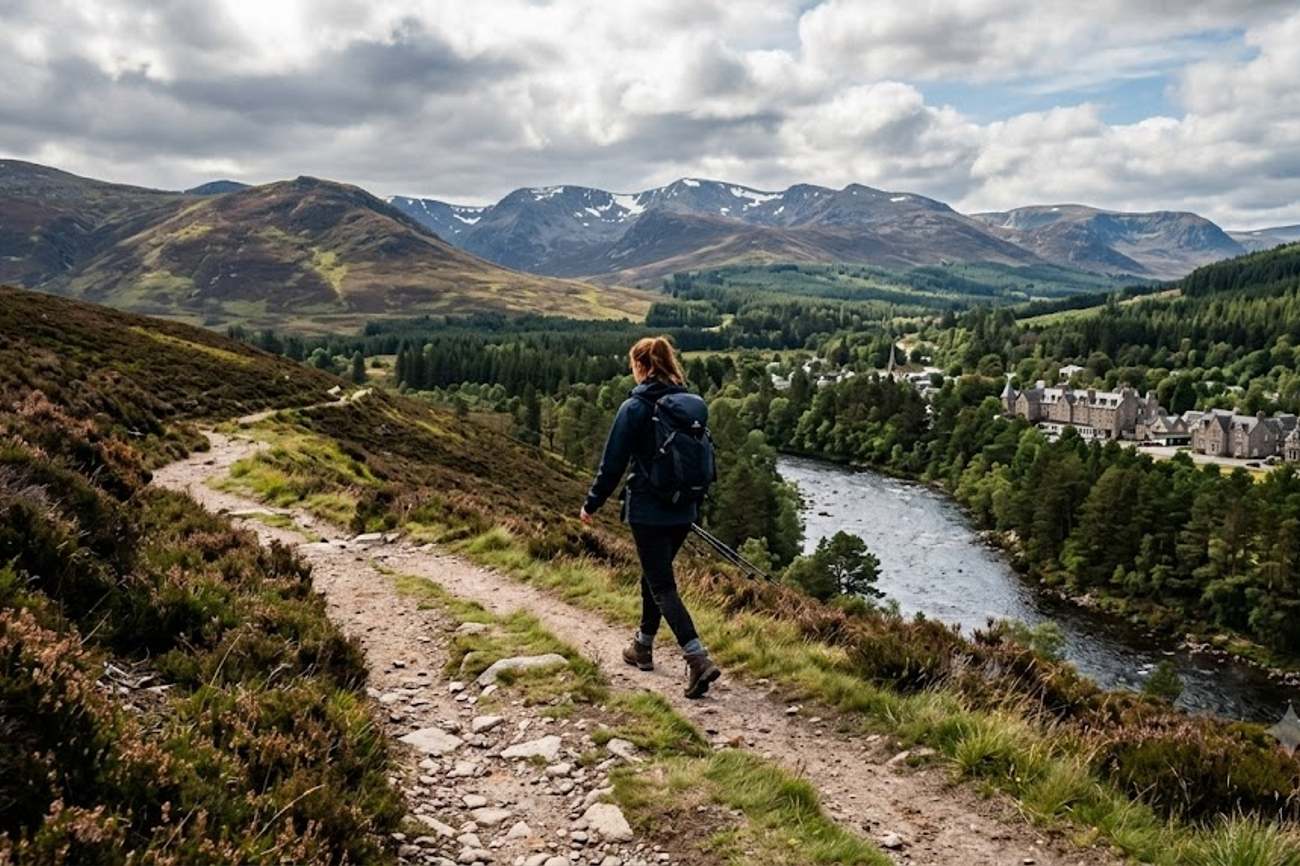
Image generated by AI
4,528 square kilometres of protected wilderness define the Cairngorms National Park, the largest national park in the United Kingdom. Within this expansive regulatory zone, the town of Grantown-on-Spey serves as a strategic node for travelers seeking to bypass the saturated tourist corridors of the central Highlands. While many visitors gravitate toward the more commercialized hubs of the north, Grantown-on-Spey operates as a planned community—established in 1765 by Sir James Grant—that balances the demands of modern outdoor tourism with the preservation of 18th-century Highland architecture and clan history.
The Geopolitical and Environmental Framework of the Cairngorms
The administrative designation of the Cairngorms as a National Park in 2003 shifted the region's operational logic from simple land management to a dual-mandate system: the preservation of biodiversity and the promotion of sustainable tourism. For the traveler, this means that Grantown-on-Spey is not merely a village, but a gateway to a highly regulated ecosystem. The town's positioning on the northern periphery of the park allows it to function as a logistics base for those accessing the diverse habitats of the Scottish Highlands, ranging from alpine plateaus to riverine corridors.
The historical development of the town is a study in planned urbanization. Unlike the organic growth of many Highland settlements, Grantown was a deliberate project of the 18th century. This structured layout continues to influence the town's capacity to handle visitor flows today, providing a centralized hub of independent businesses and hospitality services that support the surrounding wilderness. The VisitScotland framework emphasizes this "slow travel" approach, encouraging visitors to utilize Grantown as a static base rather than a transient stop.
Infrastructure for Outdoor Exploration and Biodiversity
The logistical appeal of Grantown-on-Spey is anchored by three primary environmental assets: Anagach Woods, the Speyside Way, and the River Spey. Each represents a different tier of accessibility and regulatory oversight.
Anagach Woods provides a low-barrier entry point for nature observation. The woodland is a managed environment featuring Scots pine and native vegetation, designed to accommodate both pedestrians and cyclists. From a biological perspective, the woods are critical for the survival of the red squirrel and the rare capercaillie. Because these species are sensitive to human encroachment, the movement of tourists within the woods is guided by specific trail networks to minimize habitat fragmentation.
For the long-distance trekker, the Speyside Way offers a linear infrastructure project that connects the interior Highlands to the Moray coast. This route is more than a scenic path; it is a corridor that links agricultural land, forests, and riparian zones. Travelers utilizing this network must account for the volatility of Highland weather, which can shift rapidly between the sheltered woodlands of the town and the exposed ridges of the park.
The River Spey introduces a more complex layer of legal and financial requirements. As a premier destination for salmon and sea trout angling, the river is not an open-access resource. Fishing rights are fragmented and managed through a system of permits and private ownership.
| Experience | Primary Asset | Logistical Requirement |
|---|---|---|
| Woodland Trekking | Anagach Woods | Weather-resistant gear; trail-specific maps |
| Long-Distance Hiking | Speyside Way | Transport planning; endurance equipment |
| Angling | River Spey | Legal permits; adherence to seasonal quotas |
| Cultural Study | Grantown Museum | Verification of seasonal operating hours |
| Gastronomy | Highland Dining | Advance booking for traditional venues |
Expert Analysis: The Economics of "Quiet Tourism"
For the modern nomad or high-value traveler, the shift toward Grantown-on-Spey represents a strategic pivot away from "overtourism." While the primary Highlands routes often suffer from congestion and inflated pricing, Grantown-on-Spey offers a more stable pricing environment and a more authentic engagement with Clan Grant heritage.
The direct consequence of the town's location within the Cairngorms National Park is a ceiling on rapid commercial expansion. Because the International Air Transport Association (IATA) and other global bodies track the rise of regional tourism, we see a pattern where "gateway towns" like Grantown become essential for distributing tourist spend into rural economies.
The pricing pressure in this region is not driven by hotel scarcity, but by the exclusivity of the experience. For example, the River Spey's angling economy is built on a scarcity model—limited permits and high-value targets (salmon). This creates a bifurcated tourism market: one side consisting of low-cost, self-guided hikers on the Speyside Way, and the other consisting of high-spend sporting tourists. For the traveler, the insight here is that while the town itself is accessible, the "premium" activities (fishing, high-end whisky tours) require significant lead time and financial planning.
Furthermore, the reliance on the Speyside Way as a primary artery for movement suggests that the region is moving toward a "hub-and-spoke" model. Grantown-on-Spey is the hub; the forests and rivers are the spokes. This reduces the carbon footprint of the visitor by eliminating the need for constant vehicle movement between sites, aligning with the broader sustainability goals of the UK's national park system.
Key Takeaways
- Scale and Scope: Grantown-on-Spey is a primary access point for the 4,528 square kilometer Cairngorms National Park, the UK's largest.
- Regulatory Requirements: Access to the River Spey for salmon and sea trout fishing is strictly controlled via a permit system; open access is not permitted.
- Biodiversity Focus: Anagach Woods serves as a critical habitat for the red squirrel and the rare capercaillie, requiring responsible visitor behavior.
- Infrastructure: The Speyside Way provides the primary long-distance walking connection from the town toward the Moray coast.
- Historical Context: The town's 1765 planned foundation provides a unique architectural and cultural layout centered around Clan Grant history.
FAQ: Grantown-on-Spey 2024
Do I need a permit to fish in the River Spey? Yes. Fishing for salmon and sea trout is regulated. You must obtain a valid permit from the relevant local authority or fishing provider. Prices and rules vary by the specific stretch of river you intend to fish.
What is the best way to explore Anagach Woods? The woods are best explored via the designated walking and cycling trails. Because Highland weather is unpredictable, visitors should wear weather-resistant clothing and carry route information to avoid getting lost in the Scots pine forests.
How does the Speyside Way connect to the town? Grantown-on-Spey is a key stop along the Speyside Way. The trail runs through the town, allowing hikers to use it as a base for exploring both the northern and southern sections of the route.
Is the Grantown Museum open year-round? The museum provides essential context on Clan Grant and local history, but its hours are often seasonal. Travelers should verify current opening times before visiting to ensure access.
A strategic retreat into the Highlands requires more than a map; it requires an understanding of the permits and preserves that guard the wilderness.
Tags: Cairngorms National Park, Grantown-on-Spey, Speyside Way, Clan Grant, River Spey Angling, Scottish Highlands 2024
Related Travel Guides
This article is for informational purposes. Flight routes, passenger regulations, visa rules, and transit advisories are subject to change by airlines and aviation authorities. Readers are advised to verify schedules and travel documentation with relevant carriers and border agencies before departure.
Related Stories

Phuket Luxury Tourism Surge 2026: High-Net-Worth Arrivals and New Aviation Routes
Mexico Ecotourism Market Projected to Hit USD 9.29 Billion by 2034 as Green Travel Surges