
United Arab Emirates Aligns With Global Travel Trends As Dubai Elevates Luxury, Culture And Weekend Tourism
United Arab Emirates Aligns With Global Travel Trends As Dubai Elevates Luxury, Culture And Weekend Tourism

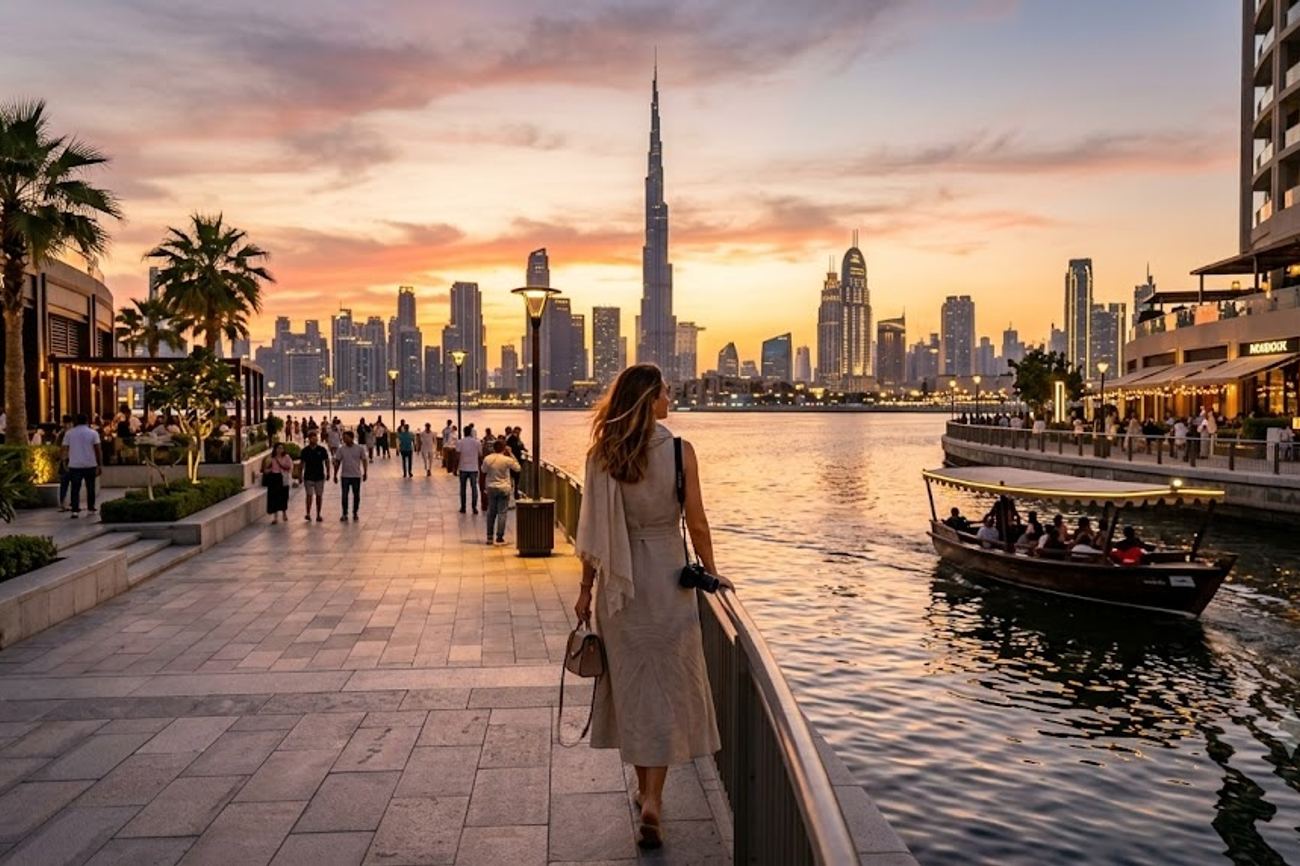
Image generated by AI
The driverless Metro connects Dubai International Airport to the city centre in just 20 minutes, a efficiency that mirrors the city's obsession with the future. Yet, for all the high-tech speed, the most authentic way to traverse the heart of the city remains the abra—a traditional wooden water taxi that glides across Dubai Creek for a fraction of the cost of a taxi.
The Shift Toward the Compact City Break
Dubai is currently repositioning itself from a destination for long-haul luxury vacations to a premier hub for the high-intensity weekend getaway. The city has optimized its infrastructure to allow travelers to pivot from the surrealist architecture of the Palm Jumeirah to the 19th-century wind towers of Al Fahidi within a single 72-hour window. This trend reflects a broader shift in global travel where "micro-cations" are prioritized, requiring a destination to offer extreme variety in a condensed geographic area.
The city's layout now supports a rigorous three-day itinerary, typically structured from a Friday arrival to a Sunday evening departure. This allows visitors to balance the "superlatives"—the biggest, tallest, and most expensive—with the quiet, sensory experiences of the old trading ports. By integrating driverless transport systems with ancient souqs, Dubai provides a friction-less experience that caters to both the luxury seeker and the budget-conscious nomad.
What Makes Dubai Different
The true essence of Dubai is not found in any single building, but in the jarring, intentional contrast between its eras. You can spend a morning at Atlantis The Royal, dining at Gastronomy where live cooking stations define modern luxury, and by afternoon, be navigating the narrow alleys of the Al Fahidi Historic District. This district serves as a living museum of the city's architectural heritage, offering a stark departure from the glass and steel of the Downtown area.
The city's relationship with water is another defining characteristic. While the Palm Jumeirah represents the pinnacle of man-made engineering—featuring the Aquaventure Waterpark, which holds a Guinness World Record for the most waterslides—the Dubai Creek represents the city's soul. Crossing the creek by abra to reach the Deira side is a rite of passage. Here, the Spice Souq offers a sensory overload of pyramids of saffron and perfumes, providing a grounded counterpoint to the tethered hot-air balloons of Dubai Balloon that rise 300 metres into the air.
Culinary diversity here is not just about variety; it is a map of the region's migration and trade history. Persian influence is heavy and authentic, with spots like Ariana’s Persian Kitchen serving ghormeh sabzi and kabab koobideh. This exists alongside the globalized luxury of Nobu Dubai or the historic British interpretations at Dinner by Heston Blumenthal. Even the social fabric of the city is visible through its food, specifically the "Saturday Brunch," a UAE institution that transforms a meal into a full-day social event.
Visitor Insider Tips
To navigate Dubai like a resident rather than a tourist, you must synchronize your movements with the heat and the traffic.
The Heat Strategy: During the summer, temperatures hit 41°C. The local rhythm is to start all outdoor exploration at dawn. Hit Jumeirah Public Beach or the souqs before 10:00 AM. From midday until 4:00 PM, retreat to indoor attractions like the Lost Chambers Aquarium, which houses over 65,000 marine animals. The city is designed for this; the Metro and malls are climate-controlled arteries that keep the city moving during the peak heat.
Transport Hacks: Skip the airport taxis if you are traveling light; the driverless Metro is faster and cheaper. Immediately purchase a rechargeable nol card at any station or selected supermarket. This card is your universal key for the Red and Green Metro lines, buses, and trams. If you must use taxis, avoid the "school run" window in the mid-afternoon and the evening rush hour, as the highways can gridlock quickly.
Etiquette and Attire: While Dubai is cosmopolitan, modesty is the local currency of respect. When visiting religious sites or the older districts like Al Fahidi, ensure shoulders and knees are covered. This is not just a rule for tourists but a cultural norm that eases interactions with locals.
Budgeting the Experience: Dubai is no longer just for the ultra-wealthy. While Atlantis The Royal defines the high end, there is a growing network of hostels and affordable eateries. For a high-quality but budget-friendly meal, Muchachas Mexican Cantina offers an accessible alternative to the hotel-based fine dining scene.
Cultural and Environmental Context
The rapid expansion of Dubai presents a complex interaction between heritage preservation and futuristic ambition. The restoration of the Al Fahidi Historic District is a conscious effort to prevent the city's trading identity from being swallowed by skyscrapers. By maintaining these 19th-century structures, Dubai creates a physical anchor for its national identity.
Environmentally, the city faces the challenge of maintaining massive man-made ecosystems. The UNESCO philosophy of preserving cultural landscapes is mirrored in how Dubai manages its "old town" areas, though the city is more focused on active restoration than static preservation. The reliance on desalination and air conditioning to combat 41°C summers is a constant environmental pressure, leading to an increase in "wellness" focused tourism, such as the retreats at Seva, which encourage a slower, more mindful interaction with the environment.
The influx of weekend tourism also places a strain on the city's infrastructure, particularly during the winter when temperatures drop to a comfortable 24°C. This seasonality creates a "pulse" in the city, where the population swells significantly, testing the capacity of the Metro and the hospitality sector.
FAQ: Visiting Dubai 2026
What is the best time to visit? The winter months are ideal, with temperatures averaging around 24°C. If visiting in summer, be prepared for heat up to 41°C and plan all outdoor activities for the early morning or late evening.
How do I get from the airport to the city? The driverless Metro is the most efficient method, taking approximately 20 minutes to reach the city centre. Taxis are also readily available but subject to traffic.
Is Dubai safe for solo travelers? Yes, Dubai is regarded as one of the safest cities globally for solo travelers. The public transport system is modern and secure, and the hospitality industry is geared toward international visitors.
Do I need a special pass for transport? Yes, you should purchase a nol card. This rechargeable card is mandatory for using the Metro, buses, and trams throughout the city's seven zones.
Between the silent glide of a driverless train and the rhythmic rowing of an abra, Dubai exists in the tension between what was and what will be.
#DubaiTravel2026 #PalmJumeirah #AlFahidiDistrict #UAEWeekendGuide #DubaiCulture
Related Travel Guides
Disclaimer
This article is for informational and educational purposes only. It does not constitute legal, financial, or professional advice. While we strive to provide accurate and up-to-date information, travel policies, regulations, and conditions change rapidly. Always verify information with official sources before making travel decisions. Nomad Lawyer makes no representations about the accuracy, reliability, completeness, or suitability of the information provided. Readers should consult qualified professionals for advice specific to their circumstances. The views expressed in this article are those of the author and do not necessarily reflect the views of Nomad Lawyer.
Preeti Gunjan
Contributor & Community Manager
A passionate traveller and community builder. Preeti helps grow the Nomad Lawyer community, fostering engagement and bringing the reader experience to life.
Learn more about our team →