
United Airlines Airbus A320 Flight 514 Diverts to Grand Junction on Denver Route August 2026
United Airlines Flight 514 from Eastern Iowa to Denver diverted to Grand Junction Regional Airport on August 8, 2026, highlighting the growing role of Western Slope airports as critical pressure valves during Colorado's volatile summer storm season.

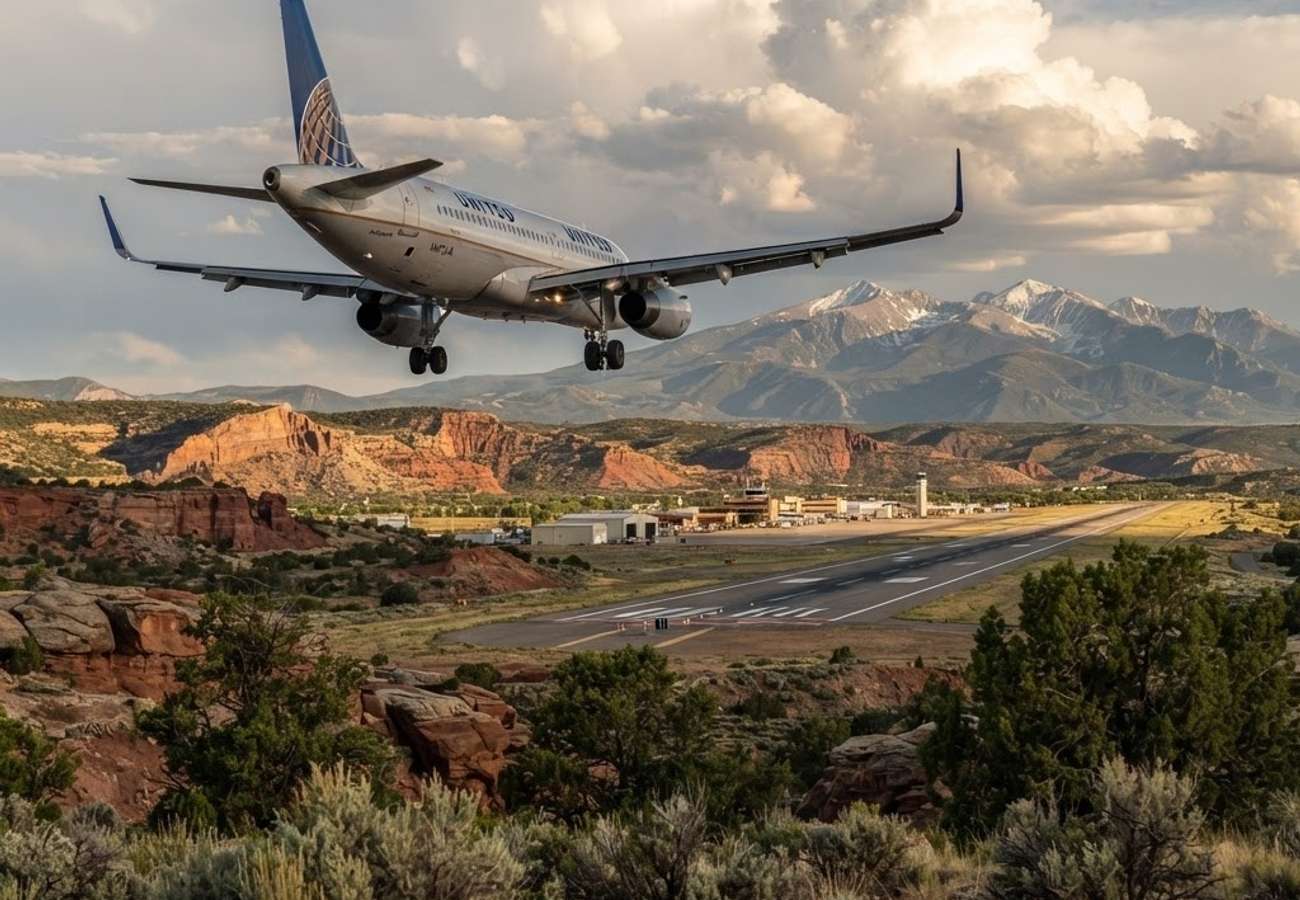
Image generated by AI
An Airbus A320 operating as United Airlines Flight 514 was forced to divert to Grand Junction Regional Airport on August 8, 2026, underscoring the precarious nature of summer aviation in the Rockies.
The diversion of Flight 514, traveling from Eastern Iowa to Denver, is not an isolated incident but a symptom of a broader operational shift. As Denver International Airport (DEN) faces increasing congestion and volatile weather patterns, regional airports on the Western Slope are evolving from quiet airstrips into strategic safety valves for mainline carriers.
The Shift Toward Strategic Diversions
On August 8, Flight 514 followed a standard westbound trajectory toward the central Rockies before abruptly veering off course. Rather than entering the typical holding patterns near Denver—which can drain fuel and push crews toward their legal duty-day limits—the Airbus A320 descended directly into Grand Junction.
This decisive action reflects a growing trend among flight dispatchers and crews. Instead of risking "crew timeouts" (where pilots exceed their legal working hours while circling a storm), airlines are opting for early diversions. For the visitor, the real impact is a trade-off: while a diversion causes immediate delays and missed connections, it prevents the total cancellation of the flight, which would create a much larger ripple effect across the airline's network.
Grand Junction: The Western Slope’s Aviation Pressure Valve
Grand Junction Regional Airport has quietly transitioned into a critical asset for the Colorado aviation corridor. Its geographical position west of the Continental Divide provides a sanctuary when the Front Range is locked under severe convective activity.
The airport's ability to handle narrowbody jets like the A320 is no accident. Recent federal investments in runway replacement and expansion have modernized the facility, allowing it to support higher traffic volumes and heavier aircraft weights. This infrastructure allows United and other carriers to land, refuel, and reassess weather windows without the stress of a saturated hub.
Operational data from the past two years indicates a measurable spike in landing fees and passenger counts at Grand Junction, directly correlated with severe weather events on the Front Range. The airport now serves as a primary refuge during the late spring and summer months when afternoon thunderstorms frequently trigger ground stops in Denver.
The Reality of Colorado’s Summer Airspace
The volatility of the region is driven by a combination of high elevation and rapid meteorological shifts. Convective storms and sudden wind changes often force Denver to alter its runway configurations, instantly reducing arrival capacity.
For flights arriving from the Midwest, like the Eastern Iowa route, these disruptions often manifest as long arrival queues. By diverting to Grand Junction, United Flight 514 avoided the potential for a fuel-critical situation, utilizing a regional field that offers a balance of proximity to the destination and operational flexibility.
Visitor Insider Tips: Navigating the Rockies
Traveling through Denver during the peak storm season (June through August) requires a specific strategy to avoid the fate of Flight 514.
- The Golden Window: Schedule arrivals and departures for the early morning. The most severe thunderstorms typically build along the Front Range in the mid-to-late afternoon.
- The Diversion Kit: Always pack a "diversion bag" in the cabin. If you are diverted to a regional airport like Grand Junction, you may spend several hours on the tarmac or in a small terminal with limited amenities.
- Local Dining in Grand Junction: If you find yourself stranded on the Western Slope, venture toward Main Street. The area is known for its craft breweries and local eateries that offer a glimpse into the rugged culture of Colorado's wine country.
- Cultural Etiquette: When dealing with regional ground crews during a diversion, remember that these small airports are often overwhelmed by the sudden arrival of 150+ passengers. Patience with local staff is highly valued.
Tourism and Operational Outlook
The long-term trend suggests that Denver will continue to rely heavily on its regional satellites. As climate patterns evolve and passenger demand grows, the "diversion hub" model will likely become formalized. We can expect more federal funding for airports like Grand Junction to ensure they can handle the logistical load of diverted mainline jets.
For the modern nomad or business traveler, this means that a "flight to Denver" may occasionally include an unscheduled stop in a mountain town. Building buffer time into itineraries and opting for flexible ticketing is no longer just a suggestion—it is a necessity for surviving the Colorado summer.
Safe travels are rarely a straight line in the Rockies.
Related Travel Guides
Disclaimer
This article is for informational and educational purposes only. It does not constitute legal, financial, or professional advice. While we strive to provide accurate and up-to-date information, travel policies, regulations, and conditions change rapidly. Always verify information with official sources before making travel decisions. Nomad Lawyer makes no representations about the accuracy, reliability, completeness, or suitability of the information provided. Readers should consult qualified professionals for advice specific to their circumstances. The views expressed in this article are those of the author and do not necessarily reflect the views of Nomad Lawyer.
Raushan Kumar
Founder & Lead Developer
Full-stack developer with 11+ years of experience and a passionate traveller. Raushan built Nomad Lawyer from the ground up with a vision to create the best travel and law experience on the web.
Learn more about our team →