United Airlines Boeing 777 Struck by Rare Double Diversion in 24-Hour Operational Nightmare

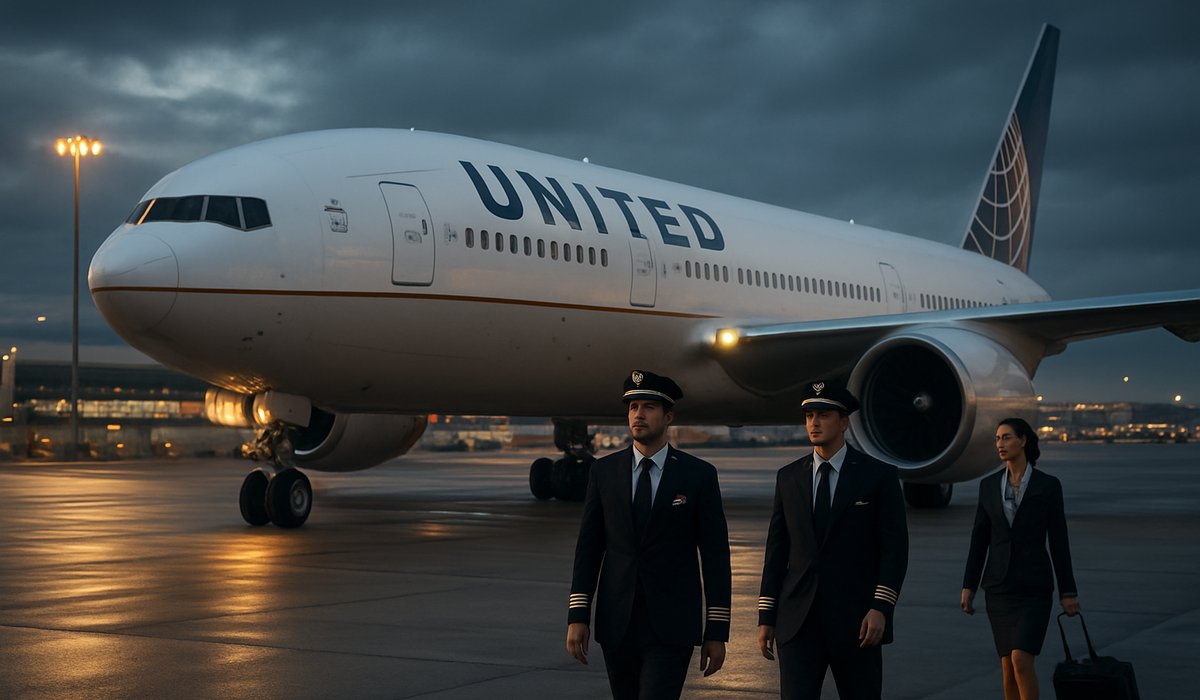
Image generated by AI
Transatlantic flight diverts twice within hours, leaving passengers stranded across two continents
Unprecedented Travel Disruption Unfolds Over Atlantic
Passengers flying United Airlines flight UA969 experienced an extraordinarily rare operational crisis this week when their Boeing 777-200ER aircraft was forced to divert not once, but twice during a single transatlantic journey—a sequence of events that aviation experts describe as highly unusual in modern commercial aviation.
The flight, originally departing Amsterdam Schiphol Airport bound for San Francisco International Airport, encountered its first significant problem mid-flight over the Atlantic. Rather than continuing westbound across the ocean, the wide-body aircraft made an unexpected reversal and returned to European airspace, forcing an unscheduled landing in Amsterdam after completing only a portion of the intercontinental crossing.
Following a ground stop for maintenance and passenger accommodation, the aircraft attempted the journey again. However, the rerouted operation could not reach its San Francisco destination. Instead, the 777 diverted to Newark Liberty International Airport in New Jersey—a hub that lies roughly 2,500 miles east of the intended arrival point on the West Coast.
Nearly 24-Hour Ordeal for Affected Travelers
The cascading diversions extended the journey into an approximately 24-hour affair, with affected passengers enduring multiple lengthy delays across two continents. The full scope of operational disruptions and exact aircraft defects triggering the diversions remains under investigation by United Airlines and relevant aviation authorities.
Broader Operational Challenges in Aviation
The incident underscores persistent vulnerabilities in transatlantic flight operations, where aircraft encounter some of the most demanding conditions in commercial aviation. While modern safety protocols and redundant systems generally prevent emergencies from escalating into critical situations, maintenance issues or mechanical anomalies can still necessitate costly diversions and route changes.
United Airlines has not issued a detailed public statement regarding the specific technical factors that prompted both diversions, though such incidents typically involve hydraulic system concerns, avionics malfunctions, or engine performance variations that warrant conservative operational responses.
FAQ
What causes airlines to divert flights mid-journey? Aircraft divert due to mechanical malfunctions, medical emergencies, severe weather, or system failures detected by flight crews. Pilot discretion prioritizes passenger safety above arrival schedules.
How often do transatlantic flights encounter diversions? While transatlantic diversions occur regularly, double diversions within a single flight remain exceptionally rare in modern commercial aviation operations.
What are passenger rights following multi-diversion incidents? Regulations typically entitle affected passengers to hotel accommodations, meals, and potential compensation depending on delay length and jurisdiction.
Why wasn't the flight cancelled after the first diversion? Airlines attempt repairs and rerouting before cancellation to minimize passenger disruption, though technical issues occasionally prevent continued operation.
Related Travel Guides
This article is for informational purposes. Flight routes, passenger regulations, visa rules, and transit advisories are subject to change by airlines and aviation authorities. Readers are advised to verify schedules and travel documentation with relevant carriers and border agencies before departure.
Related Stories
easyJet Launches Direct Liverpool to Reykjavik Flights: Inside the North West's New Winter Gateway to Iceland

British Airways Revives Long-Haul Meal Pre-Orders on Las Vegas Flights: Inside the World Traveller Plus Dining Trial