
American Airlines Pilots Launch Trading Card Program as Carriers Compete for Customer Engagement
Breaking airline news and aviation industry updates for 2026.

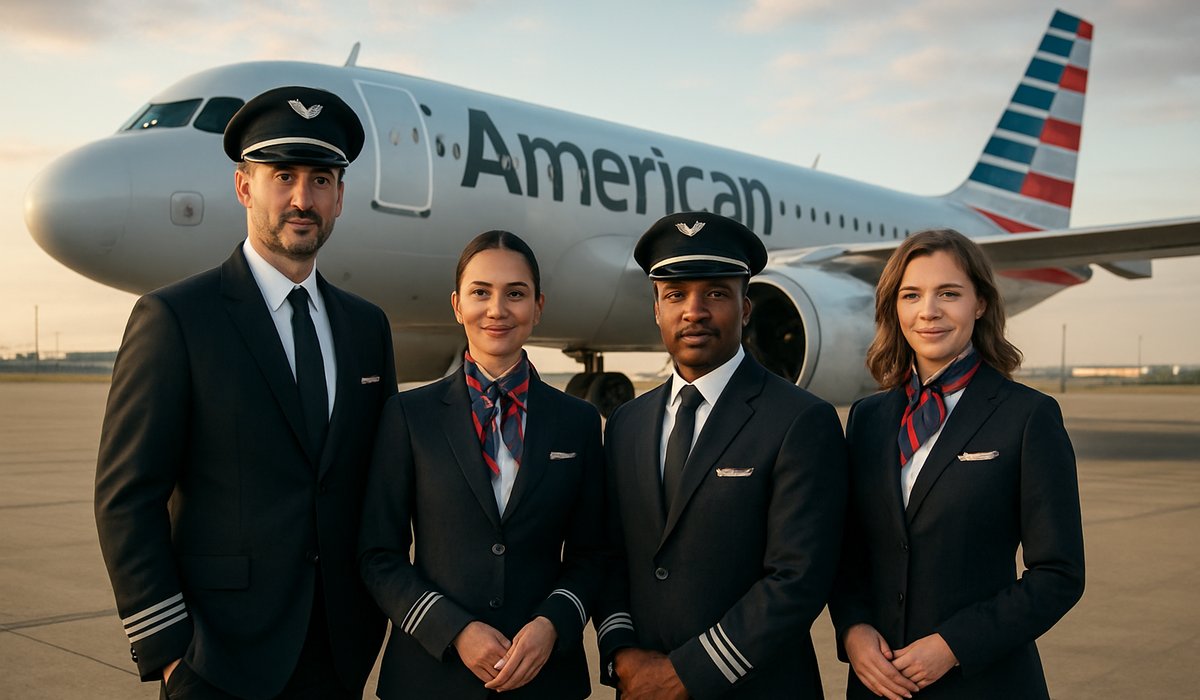
Image generated by AI
American Airlines Pilots Launch Trading Card Program as Carriers Compete for Customer Engagement
A novel marketing initiative reveals how airlines are leveraging in-flight interactions to strengthen brand loyalty amid intensifying competition
Breaking News
American Airlines has joined a growing roster of major U.S. carriers in introducing a trading card program featuring its pilot roster, marking a distinctive pivot in how airlines are engaging passengers and cultivating brand affinity during flights. The initiative allows pilots to distribute collectible cards to travelers, transforming routine cockpit interactions into memorable brand moments that extend well beyond the cabin.
A Fresh Approach to In-Flight Branding
The trading card rollout represents American Airlines' latest effort to differentiate itself in an increasingly competitive aviation marketplace. Rather than relying solely on traditional loyalty programs and ancillary revenue streams—such as baggage charges and seat selection fees that have become industry standards—the carrier is investing in experiential touchpoints that deepen passenger-pilot relationships.
This strategy signals a broader shift within the aviation sector. As jet fuel prices continue to influence operational costs and airlines maintain aggressive pricing on baggage allowances and premium seating, carriers recognize that customer experience innovations offer returns that pure fee-based revenue cannot match. The collectible card program operates as a low-cost engagement tool that generates social media buzz and encourages repeat bookings without significantly impacting the airline's financial structure.
Industry-Wide Trend Gaining Momentum
American Airlines' adoption confirms that competing U.S. carriers have already embraced similar initiatives. The trading card concept transforms pilots from functional crew members into brand ambassadors, enabling direct passenger interaction that fosters emotional connections to the airline brand.
In an industry where ancillary fees—including baggage charges, seat selection costs, and change fees—have become normalized revenue drivers, such personal engagement strategies offer differentiation. As the aviation industry navigates post-pandemic recovery and evolving consumer expectations, carriers are layering experiential benefits atop their fee-based revenue models.
Strategic Implications for Customer Loyalty
The initiative arrives amid heightened awareness of airline customer service disparities. While major carriers continue restructuring fee schedules and optimizing ancillary revenue, programs like trading cards address passenger sentiment around perceived value and brand connection.
Industry analysts note that such low-friction engagement tactics complement existing revenue strategies. Passengers receiving collectible cards during flights experience positive brand moments that may offset frustration associated with baggage fees or premium pricing, potentially influencing future booking decisions and loyalty program participation.
What This Means Going Forward
American Airlines' trading card program exemplifies how carriers are diversifying customer engagement beyond traditional fee structures. As aviation markets remain competitive and fuel cost volatility continues shaping operational economics, airlines increasingly recognize that brand loyalty built through positive interactions can be as valuable as ancillary revenue generation.
FAQ: Airline Trading Cards and Customer Engagement Strategy
Q: Why are airlines creating trading card programs? A: Airlines use trading cards as low-cost engagement tools to create memorable passenger interactions, strengthen brand loyalty, and generate social media visibility—complementing traditional revenue strategies like baggage fees.
Q: How do airline trading cards impact overall travel costs? A: Trading card programs don't directly affect passenger ticket prices or baggage charges; they function as supplementary brand-building initiatives separate from an airline's fee structure.
Q: Which airlines offer trading card programs? A: American Airlines and several other major U.S. carriers have introduced or are exploring similar collectible card initiatives as part of enhanced customer experience strategies.
Q: Do trading cards affect airline loyalty programs? A: Trading cards complement existing loyalty programs by providing tangible, memorable brand moments that encourage repeat bookings and strengthen program engagement.
Q: How do pilot trading cards relate to airline profitability? A: While these programs generate minimal direct revenue, they support customer retention and brand differentiation—factors that influence booking patterns and long-term profitability alongside ancillary revenue sources like baggage fees and seat selection charges.
Related Travel Guides
- EgyptAir Deploys Strategic Zanzibar and Birmingham Routes to Defeat Long-Haul Travel Chaos
- ZIPAIR Tokyo Launches Daily Nonstop Flights between Narita and Kuala Lumpur
- Southwest Airlines Triggers Massive Premium Expansion, Deploying 20,000-Square-Foot Austin Lounge to Shield Passengers From Terminal Travel Chaos: Latest Airline News
Disclaimer
This article is for informational and educational purposes only. It does not constitute legal, financial, or professional advice. While we strive to provide accurate and up-to-date information, travel policies, regulations, and conditions change rapidly. Always verify information with official sources before making travel decisions. Nomad Lawyer makes no representations about the accuracy, reliability, completeness, or suitability of the information provided. Readers should consult qualified professionals for advice specific to their circumstances. The views expressed in this article are those of the author and do not necessarily reflect the views of Nomad Lawyer.
Preeti Gunjan
Contributor & Community Manager
A passionate traveller and community builder. Preeti helps grow the Nomad Lawyer community, fostering engagement and bringing the reader experience to life.
Learn more about our team →