Ukraine Border Corridors and Level 4 Transit: Managing Land Travel Amid Airspace Closures and Conflict

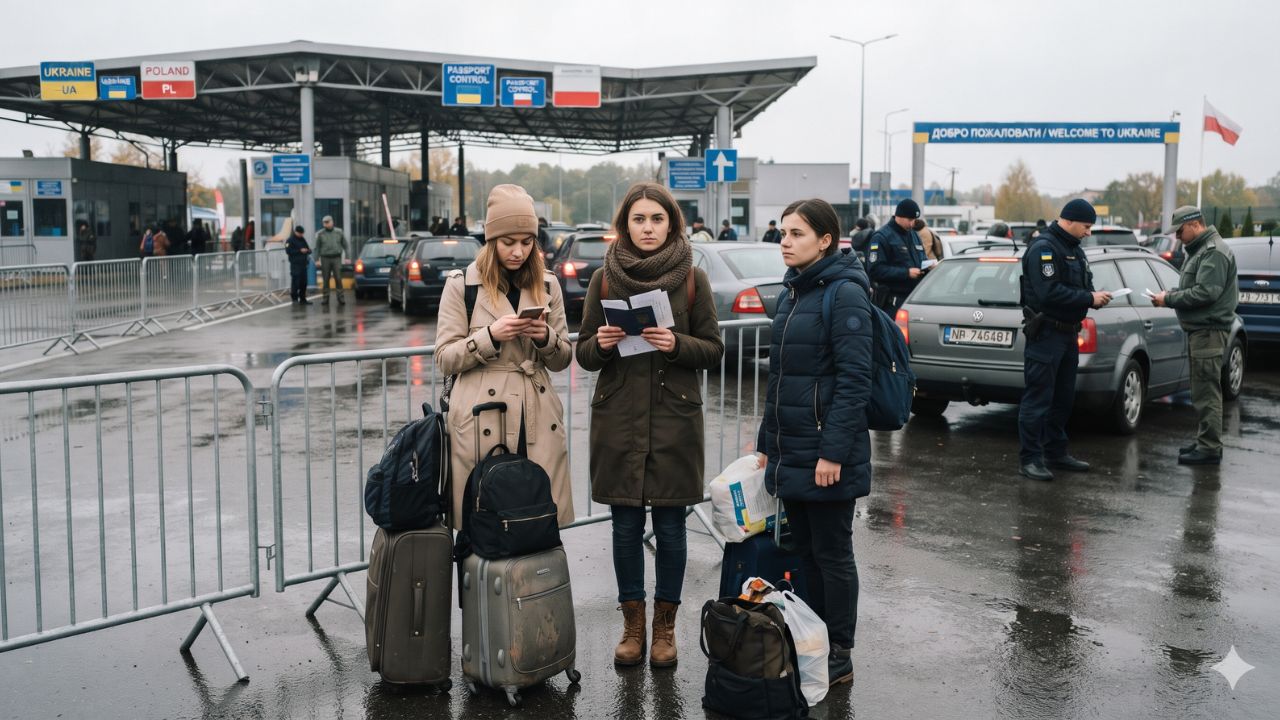
Image generated by AI
While commercial aviation across Ukraine remains completely shut down under martial airspace closures, an unceasing network of heavy iron sleeper trains and guarded highway checkpoints through Poland, Romania, and Slovakia moves thousands of passengers daily. International safety analysts and diplomatic offices maintain strict Level 4 "Do Not Travel" advisories for active conflict zones—grouping Ukraine alongside Haiti, Sudan, and Afghanistan, where standard travel insurance is voided and emergency consular support is practically unobtainable. Yet behind these stark warnings lies a remarkable logistical reality: Ukraine’s western land borders function as fortified economic and diplomatic lifelines, operated with disciplined precision by the State Border Guard Service of Ukraine to deliver humanitarian aid, transport essential personnel, and maintain regional mobility despite severe wartime hazards.
The Lifeline Corridors: Overland Border Checkpoints in an Era of Zero Aviation
The absolute grounding of civil passenger aviation in Ukraine has transformed European transit geography. Travelers entering or leaving the nation cannot book connecting flights into Kyiv Boryspil, Lviv Danylo Halytskyi, or Odesa. Every journey must occur at ground level across the western frontiers.
Western railway hubs have become the central arteries of movement. Direct night trains operated by Ukrainian Railways link the Polish border depot at Przemyśl and Warsaw directly with Lviv and Kyiv, while secondary rail corridors connect Chop with Košice in Slovakia and Zahony in Hungary. On the highways, vehicular checkpoints like Medyka-Shehyni, Krakovets, and Porubne on the Romanian border handle long daily queues of freight trucks, international medical convoys, and civilian passenger vehicles. To manage border congestion and heighten safety, border officials continuously upgrade identity verification stations and enforce strict cargo screening, maintaining commercial trade and diplomatic access across Eastern Europe.
Entering a nation under wartime conditions demands total awareness of physical risks. Unlike conventional destinations, travelers face unpredictable long-range missile strikes and autonomous drone assaults targeting utility plants, which frequently trigger nationwide power blackouts, clean water disruptions, and cellular outages. Across rural southern and eastern regions, vast expanses of agricultural farmland remain heavily contaminated with unexploded landmines and munitions. Any travel requires verified war-risk medical insurance, as typical commercial travel policies are voided the moment an individual crosses into Level 4 territory.
What Makes Overland Transit Different: Sleeper Trains, Strict Checkpoints, and Iron Wheels
Arriving in Ukraine by land is an experience that diverges completely from airport arrivals, defined by slow, rhythmic iron travel and heavy civic duty.
Boarding a sleeper train at Przemyśl Główny in southeastern Poland marks the boundary between peaceful European borders and a nation mobilized for survival. As the train rolls across the frontier toward Lviv, uniformed border guards conduct thorough passport checks and baggage inspections directly inside passenger compartments. The trains run on time with astonishing regularity, despite sirens sounding in neighboring districts. Onboard, conductors serve hot black tea in traditional cupronickel glass holders (podstakanniks), while conversations among aid volunteers, returning families, and foreign correspondents unfold in quiet whispers under dim carriage lights.
When you step onto the platform at Lviv’s central Art Nouveau railway station, the atmosphere is quiet and purposeful rather than panic-stricken. Sandbag barricades protect historic stonework, and electronic signs direct passengers to underground platform bomb shelters. Moving into Lviv’s UNESCO-recognized historic center, one encounters centuries of Habsburg, Polish, and Ukrainian architectural heritage, protected by the UNESCO World Heritage Centre. Statues in Rynok Square are carefully swaddled in fireproof insulation and metal sheeting, while church basement cafes operate on humming diesel generators during rolling electricity outages, serving hot borsch and dark roast coffee with calm determination.
Level 4 Travel Risk Comparison: Global Conflict Zones and Border Realities
Understanding the unique operational environment of Ukraine requires comparing its conditions against other nations under Level 4: Do Not Travel advisories:
| Country | Safety Advisory Status | Dominant Physical Hazards | Diplomatic & Consular Presence | Primary Transit Impediments |
|---|---|---|---|---|
| Ukraine | Level 4: Do Not Travel | Drone/missile strikes, power blackouts, unexploded landmines | Functioning missions in Kyiv; limited field evacuation capacity | Commercial airspace closed; transit restricted to western land borders |
| Haiti | Level 4: Do Not Travel | Armed gangs control ~80% of capital, express kidnapping | Skeleton staff under curfews; emergency assistance unavailable | Vital highways, ports, and fuel distribution blocked by syndicates |
| Sudan | Level 4: Do Not Travel | Heavy urban artillery, civil war, health system collapse | Diplomatic operations suspended; foreign personnel evacuated | Khartoum Airport damaged/closed; domestic borders volatile |
| Afghanistan | Level 4: Do Not Travel | Insurgent terrorism, arbitrary detention, ordnance | Western embassies closed; in-person consular support absent | Extreme movement restrictions, strict religious laws, erratic borders |
Visitor Insider Tips for Essential Land Transit and High-Risk Zones
For diplomats, accredited journalists, and humanitarian personnel conducting approved missions, local knowledge is essential to maintaining safety and minimizing border delays:
- Timing Rail Crossings at Przemyśl: The most reliable entry point into western Ukraine is the overnight train from Przemyśl, Poland to Kyiv via Lviv. Purchase tickets exactly twenty days in advance via the official Ukrainian Railways mobile app; seats sell out within minutes of release. Have printed copies of your passport, press or organizational accreditation, and verified war-risk insurance documentation ready before the train pulls out of Poland to expedite compartment border inspections.
- Navigating Road Checkpoints: If driving through road crossings such as Medyka-Shehyni or Krakovets, monitor real-time queue dashboards published by the State Border Guard Service. Avoid peak weekend shifts when wait times can stretch between twelve and twenty-four hours. Ensure your vehicle has a full tank of fuel before leaving Poland, as border approach corridors frequently experience fuel delivery delays during regional grid strain.
- Air-Raid Alarm Discipline: Upon arrival, immediately install the official "Air Alarm Ukraine" smartphone application and set audio alerts to bypass silent mode. When sirens wail, move without delay to designated underground metro stations or concrete basement shelters. Never photograph or film air-defense positions, military checkpoints, or infrastructure damage; doing so violates Ukrainian martial law and risks detention.
- Off-Grid Power and Connectivity: Rolling utility disruptions mean central heating and mobile internet can vanish instantly. Carry heavy-duty power banks rated at 20,000 mAh or higher, a pocket LED flashlight, and physical European currency (Euros or Polish Złoty) alongside Ukrainian Hryvnia, as card terminals fail during electrical blackouts.
Cultural and Environmental Context: Heritage Guardianship and Landmine Clearance
The ongoing conflict has profoundly transformed Ukraine's cultural fabric and natural environment. In historic western hubs like Lviv and Chernivtsi, local museum curators, church restorers, and ordinary citizens have mounted massive community efforts to safeguard cultural treasures. Stained-glass windows dating back to the fourteenth century are shielded behind steel plates and polycarbonate sheets, while priceless religious icons have been transferred to subterranean vaults. Independent coffee houses, community cultural centers, and small theaters continue to operate on backup power, serving as mutual aid hubs where citizens donate supplies and weave camouflage netting for territorial defense units.
Environmentally, the war presents generational ecological challenges. Extensive swaths of Ukraine's fertile black soil (chernozem) across the east and south have been heavily mined, preventing agricultural harvesting and poisoning soil chemistry with toxic heavy metals from exploded ordnance. Rerouting transit exclusively through the western border regions has concentrated heavy diesel freight traffic along rural Carpathian corridors, driving municipal investments in cleaner electrified rail routes. Engaging with local communities today requires deep humility, respect for national sacrifice, and active support for grassroots Ukrainian volunteer organizations working on regional humanitarian relief.
FAQ: High-Risk Land Travel and Border Logistics 2026
Can foreign civilians legally enter Ukraine right now? Yes. Ukrainian land borders remain open to foreign citizens holding valid passports, entry visas where applicable, and mandatory proof of specialized medical insurance covering war-related injuries. Entry is strictly by land through Poland, Slovakia, Hungary, Romania, or Moldova.
Does standard international travel insurance cover visits to Ukraine? No. Standard global travel policies explicitly exclude claims occurring in active war zones and Level 4 advisory nations. Travelers must purchase specialized war-risk insurance from underwriters that explicitly cover terrorism, missile strikes, and emergency medical extraction.
Which western border crossing has the shortest passenger queues? Rail crossings through Przemyśl and Chełm offer the most predictable schedules, entirely bypassing vehicular border queues. For automobiles, southern crossings into Romania or Slovakia generally experience shorter queues than primary Polish highway checkpoints like Medyka.
How does local curfew impact overnight travel within Ukrainian cities? All Ukrainian regions enforce nightly curfews, typically from midnight to 05:00 AM. Civilian movement on city streets is prohibited during these hours without official military passes, though arriving night trains are accommodated at railway stations.
Across the quiet rails linking Central Europe to Lviv, travel is stripped of ordinary tourist vanity, revealing a resilient nation bound together by community dignity and open iron tracks.
Related Travel Guides
Middle East Aviation Shockwave: 108 Cancellations and 1,056 Delays Hit Jeddah, Dubai, and Gulf Hubs
The 10 Best Historic Cafes in Lviv Old Town, According To Reddit
This article is for informational purposes. Flight routes, passenger regulations, visa rules, and transit advisories are subject to change by airlines and aviation authorities. Readers are advised to verify schedules and travel documentation with relevant carriers and border agencies before departure.
Related Stories
Anchorage Direct Tokyo Flights and Three Summer Routes Launch for 2027: Alaska Travel Logistics and Insider Guide

Los Cabos 2036 Strategic Vision: Transitioning Baja California Sur to Regenerative Luxury