Los Cabos 2036 Strategic Vision: Transitioning Baja California Sur to Regenerative Luxury

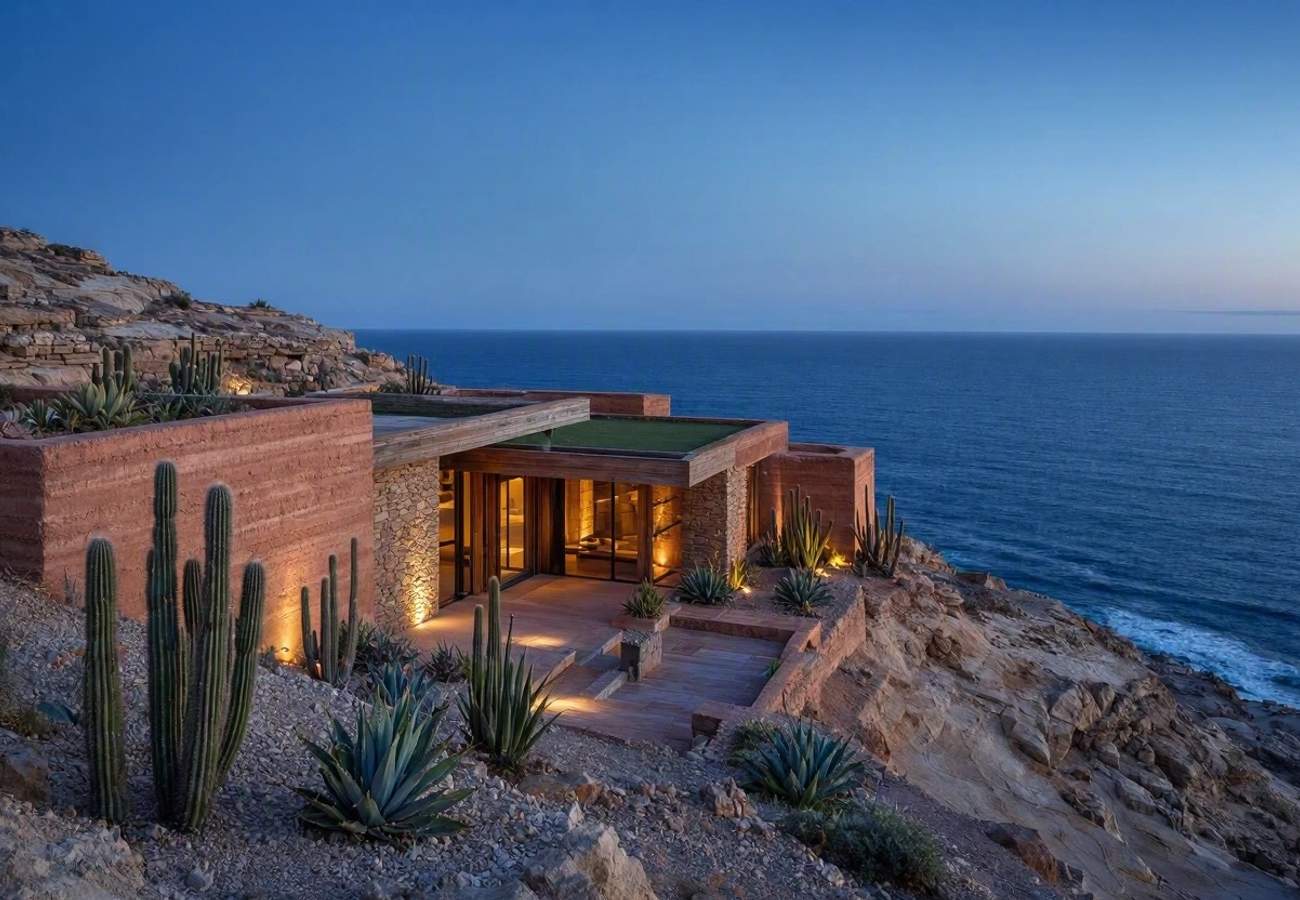
Image generated by AI
A 130% surge in international visitation over the last decade has pushed Los Cabos to a critical tipping point, necessitating a complete overhaul of its growth model. With annual arrivals now exceeding 3.8 million, the region is abandoning the pursuit of raw volume in favor of the "Los Cabos 2036 Strategic Vision." This ten-year roadmap, orchestrated by the Los Cabos Tourism Board (FITURCA), signals a systemic shift toward regenerative luxury—a model where high-net-worth tourism is leveraged to restore, rather than deplete, the natural capital of Baja California Sur.
The Pivot from Volume to Value
The previous decade of expansion was fueled by aggressive airlift growth from major North American hubs, specifically Los Angeles (LAX), Dallas–Fort Worth (DFW), Phoenix (PHX), and Vancouver (YVR). While this increased the footprint of Los Cabos International Airport (SJD), it created an unsustainable strain on the region's desert and marine biomes.
The 2036 framework acknowledges that the "growth at all costs" era has reached its ecological limit. The new strategy focuses on "high-yield, low-impact" tourism. In practical terms, this means the region is no longer seeking more tourists, but rather tourists who spend more per capita and leave a smaller environmental footprint. This shift is designed to decouple economic revenue from environmental degradation.
Regenerative Framework and Implementation
The transition is being codified through strict municipal mandates and zoning laws. The focus has moved toward "Ecological Sovereignty," ensuring that luxury developments do not compete with local communities for dwindling natural resources.
Strategic Implementation Matrix 2026–2036
| Strategic Pillar | Policy Focus | Practical Execution |
|---|---|---|
| Excellence with Identity | Cultural Preservation | Indigenous culinary integration and heritage tours in San José del Cabo’s Art District |
| Value-Driven Growth | Economic Yield | Prioritizing average guest spend over arrival counts; funding local schools and housing via resort taxes |
| Ecological Sovereignty | Resource Management | Mandatory closed-loop desalination and total ban on single-use plastics in resort zones |
| Coastal Stewardship | Habitat Protection | Dark-sky lighting for sea turtles and strict Floor-Area Ratios (FAR) for new builds |
Expert Analysis: The Cost of "Regenerative" Luxury
For the high-end traveler, the "regenerative" label is not merely marketing; it represents a fundamental change in the logistics of a Baja vacation. The mandate for independent reverse-osmosis desalination is a critical legal shift. By forcing luxury developments to manage their own water production and brine mitigation—using multi-port submarine diffusers to prevent salinity shock to the seabed—the government is effectively shifting the environmental cost of luxury from the public sector to the private developer.
The direct consequence for travelers booking this route is a shift in the hospitality landscape. We are seeing a move away from the massive, multi-story concrete monoliths of the early 2000s toward bioclimatic, low-rise designs. The entry of brands like St Regis, Grand Hyatt, and Park Hyatt under these new guidelines means that "luxury" will now be defined by privacy and ecological integration rather than scale.
Furthermore, the restriction of vessel quotas in areas like the Cabo Pulmo National Marine Park—which can be monitored via data from the International Air Transport Association (IATA) regarding regional accessibility—means that exclusivity is now being enforced by law to protect apex shark populations and coral reefs. The pricing pressure created by these restrictions will likely drive up the cost of private charters and eco-expeditions, further cementing the region's status as a high-yield enclave.
Key Takeaways
- Volume Cap: Los Cabos is pivoting away from the 130% growth trend to prioritize high-spend visitors over total arrival numbers.
- Water Mandates: New luxury developments must implement independent desalination with high-dispersion offshore outfalls to protect benthic habitats.
- Architectural Shifts: Future builds are restricted by strict Floor-Area Ratios (FAR) and dark-sky compliance to protect sea turtle nesting.
- Economic Reinvestment: A portion of resort taxes is being legally redirected into local infrastructure, including worker housing and education.
- Environmental Quotas: Strict daily vessel limits are now in effect for protected zones like Cabo Pulmo.
FAQ: Los Cabos Travel 2026
What is the Los Cabos 2036 Strategic Vision? It is a 10-year roadmap by FITURCA to transition Baja California Sur from mass tourism to regenerative luxury. It emphasizes low-density development, water self-sufficiency, and high-yield economic returns over increasing visitor volume.
When is the best time for high-end travel to Los Cabos? The peak window is November to April (24°C–28°C) for whale watching and golf. May to June is ideal for farm-to-table tours, while July to October offers the best visibility (30m+) for scuba diving.
How are luxury resorts impacting the local environment? New regulations require resorts to use independent desalination and bioclimatic architecture. This prevents the depletion of municipal aquifers and protects local wildlife through dark-sky lighting and native flora integration.
The era of the mega-resort is ending; the era of the ecological sanctuary has begun.
Related Travel Guides
This article is for informational purposes. Flight routes, passenger regulations, visa rules, and transit advisories are subject to change by airlines and aviation authorities. Readers are advised to verify schedules and travel documentation with relevant carriers and border agencies before departure.
Related Stories
Los Cabos Luxury Travel Guide: Marine Sanctuaries, Desert Canyons, and Baja Gastronomy
Los Cabos Winter Travel Expansion 2026: Direct Flights from Cancun, Montreal, and Ottawa, Plus Baja Insider Guide