Anchorage Direct Tokyo Flights and Three Summer Routes Launch for 2027: Alaska Travel Logistics and Insider Guide


Although Ted Stevens Anchorage International Airport ranks among the top five busiest air cargo hubs on Earth—positioned within 9.5 flight hours of 90 percent of the industrialized world—direct transpacific passenger flights have eluded travelers for decades. Starting May 13, 2027, that northern aerial corridor reopens to commercial travelers as Alaska Airlines launches daily nonstop flights between Anchorage and Tokyo Narita, establishing an unexpected sub-Arctic air bridge that bypasses Lower 48 hubs and pairs with new summer nonstops connecting Alaska to Austin, Dallas-Fort Worth, and Nashville.
Transpacific Reconnection: How the 2027 Route Network Alters Northern Travel
The introduction of direct passenger service between Anchorage and Tokyo Narita marks an operational evolution for northern aviation. Operating daily throughout the peak summer travel window from May 13 through early September 2027, the transpacific service eliminates the customary multi-hour detours through Seattle, San Francisco, or Vancouver. Subject to government approval, the scheduled flight departs Anchorage at 2:10 p.m. local time, landing at Tokyo Narita at 3:25 p.m. the following afternoon after crossing the International Date Line.
The eastbound return flight departs Tokyo Narita at 9:45 p.m., touching down in Anchorage at 12:00 p.m. (noon) local time on the very same calendar day thanks to the eastward time gain. Alaska Airlines intends to deploy the fuel-efficient Boeing 737 MAX 8 on this Great Circle corridor, maximizing range while optimizing cabin economics. The carrier also intends to resume the route in January 2028 with three weekly departures, targeting the growing winter tourism sector driven by sub-zero adventures and northern lights viewing.
Complementing the international connection, Alaska Airlines is simultaneously adding three seasonal domestic routes linking Anchorage with Austin, Dallas-Fort Worth, and Nashville. These flights will operate on Saturdays from June 12 to August 7, 2027, unlocking point-to-point air access for travelers across Texas and Tennessee without congesting traditional Pacific Northwest transfer points. These additions align with the carrier's wider expansion program from Seattle into European and Pacific markets, positioning Anchorage not merely as a regional terminus, but as a strategic gateway linking East Asia to the American South and West.
What Makes Anchorage and Southcentral Alaska Distinct
Anchorage defies the typical expectations of an American city by serving as an urban outpost carved directly into raw northern wilderness. Bordered by the silt-laden waters of Cook Inlet to the west and the 5,000-foot peaks of Chugach State Park to the east, the city provides an immediate immersion into sub-Arctic topography. Within city limits, urban greenbelts like the Tony Knowles Coastal Trail provide uninterrupted views of Mount Susitna, while resident moose graze alongside suburban avenues and coastal mudflats experience dramatic 30-foot tides.
For travelers journeying from East Asia through the official channels of Travel Alaska, the arrival feels startlingly wild compared to major international metropolises. During midsummer, Anchorage experiences nearly 20 hours of functional daylight, fueling an outdoor lifestyle where evening hikes up Flattop Mountain start well past 8:00 p.m. The city anchors Southcentral Alaska, serving as the essential provisioning base for wilderness expeditions traveling northward along the George Parks Highway or southbound down the dramatic Seward Highway into Turnagain Arm.
Beyond the urban borders, Anchorage provides rail and road access to Denali National Park and Preserve, home to the highest peak in North America standing at 20,310 feet. The park witnesses its peak visitation between late May and early September, a timeframe that precisely mirrors the daily Tokyo flight schedule. In winter, the territory shifts into a quiet, snow-bound world where the aurora borealis streaks across the night skies from late August through April, contrasting sharply with the glittering neon towers of Tokyo documented by the Japan National Tourism Organization.
Alaska Airlines 2027–2028 Flight Schedules and Seasonal Operational Timelines
To help travelers coordinate overland rail transfers, lodging, and park permits, the table below outlines the confirmed flight times, operational periods, and frequency for the upcoming route expansions:
| Route Pairing | Departure & Arrival Times (Local) | Operational Window | Frequency | Aircraft Type |
|---|---|---|---|---|
| Anchorage (ANC) to Tokyo Narita (NRT) | Dep: 2:10 p.m. / Arr: 3:25 p.m. (+1 day) | May 13 – Early Sept 2027 | Daily | Boeing 737 MAX 8 |
| Tokyo Narita (NRT) to Anchorage (ANC) | Dep: 9:45 p.m. / Arr: 12:00 p.m. (Same day) | May 13 – Early Sept 2027 | Daily | Boeing 737 MAX 8 |
| Tokyo Narita (NRT) to Anchorage (ANC) Winter | Schedules to be confirmed upon final approvals | Starts January 2028 | 3x Weekly | Boeing 737 MAX 8 |
| Anchorage (ANC) to Austin (AUS) | Saturday seasonal schedule | June 12 – August 7, 2027 | Weekly (Sat) | Boeing 737 Family |
| Anchorage (ANC) to Dallas-Fort Worth (DFW) | Saturday seasonal schedule | June 12 – August 7, 2027 | Weekly (Sat) | Boeing 737 Family |
| Anchorage (ANC) to Nashville (BNA) | Saturday seasonal schedule | June 12 – August 7, 2027 | Weekly (Sat) | Boeing 737 Family |
Visitor Insider Tips for Southcentral Alaska and Transpacific Arrivals
Timing and transport logistics determine the success of any Alaska journey, especially when coordinating long-distance international arrivals with limited backcountry capacity.
- Capitalize on the Noon Arrival Window: Returning travelers landing in Anchorage at 12:00 p.m. enjoy a distinct tactical advantage. You clear U.S. Customs and Border Protection with ample daylight remaining to pick up an AWD rental vehicle, complete gear provisioning at local outfitters, and make the scenic two-hour drive south along Turnagain Arm to Girdwood before evening sets in.
- Pre-Book Summer Rail and Wilderness Permits: Rental cars and park accommodations across Southcentral Alaska face severe summer shortages. If your itinerary includes Denali or the Kenai Fjords, book the Alaska Railroad Coastal Classic or Denali Star trains at least five to six months in advance. Backcountry permits within national parks open early in the calendar year and fill rapidly.
- Select the Right Neighborhood Base: Rather than staying in generic highway commercial zones, base yourself in Downtown Anchorage along 4th or 5th Avenue for walkable access to local brewpubs and the coastal trail. For a quieter, artistic atmosphere with historic bakeries and coffee roasters, consider Spenard, located five minutes from Lake Hood, the busiest seaplane base in the world.
- Respect Urban Wildlife Protocols: Anchorage is home to over 1,500 urban moose and a resident population of black and brown bears. Never approach moose, particularly cows with calves in spring; maintain at least 50 feet of distance and hide behind large trees or vehicles if one charges. In Chugach backcountry trails, carry EPA-approved bear spray in an accessible hip holster and talk continuously to avoid startling animals.
- Savor Regional Culinary Specialties: Skip generic dining chains and seek out wild Alaskan seafood. Sample fresh Prince William Sound spot prawns, copper river king salmon, and Alaskan red king crab. Pair your meals with regional sourdough rolls, wild lingonberry jams, and locally harvested birch syrup crafted in the Matanuska-Susitna Valley.
Cultural and Environmental Context: Indigenous Heritage and Fragile Sub-Arctic Tundra
The expansion of direct air corridors brings necessary attention to the cultural roots and environmental sensitivity of Southcentral Alaska. Anchorage is situated on the traditional ancestral homelands of the Dena'ina Athabascan people, who have lived along the inlet waters and salmon-bearing creeks for thousands of years. Responsible travelers should visit the Alaska Native Heritage Center in northeast Anchorage, which features authentic recreated village dwellings, cultural demonstrations, and artisan workshops representing Alaska's eleven distinct cultural groups. Understanding Dena'ina stewardship helps visitors appreciate that these mountain valleys are living homelands, not empty playgrounds.
Simultaneously, the region faces acute ecological pressures from rising Arctic temperatures. Glaciers across the Chugach and Kenai mountain ranges are receding at documented historical speeds, while thawing permafrost across interior transportation corridors has required multi-million-dollar engineering interventions, such as the Pretty Rocks reconstruction in Denali. Increased international visitor volume creates economic vitality for regional tour operators and hospitality staff, yet it demands strict adherence to sub-Arctic conservation ethics.
Travelers trekking through alpine tundra must practice strict Leave No Trace principles. Sub-Arctic vegetation, lichens, and dwarf willows take decades to recover from foot erosion once fragile soil crusts are trampled. Staying on designated gravel pathways, packing out all waste, and choosing tour companies that partner with Indigenous organizations ensure that expanding tourism infrastructure preserves the pristine ecology of the north for future generations.
FAQ: Visiting Anchorage and Traveling the 2027 Network
What are the flight times for the direct Anchorage to Tokyo route? Flights depart Anchorage at 2:10 p.m., arriving in Tokyo Narita at 3:25 p.m. the next day. Return flights leave Tokyo at 9:45 p.m., touching down in Anchorage at 12:00 p.m. noon on the same date.
When is the ideal time to travel to Anchorage for summer wilderness excursions? Late May through early September offers the best conditions, matching peak operational windows for Denali National Park, marine glacier tours, and the new daily Tokyo and Saturday domestic flights.
How early should I arrange transport and lodging for an Alaska summer trip? Arrange vehicle rentals, backcountry permits, and Alaska Railroad seats six to eight months in advance. Alaska's short summer tourism season creates intense demand and quick sellouts across Southcentral hubs.
When can travelers experience the northern lights around Anchorage? The aurora viewing season runs from late August through April. Winter travelers utilizing the planned January 2028 flights should plan multi-night stays away from city lights for optimal viewing odds.
As high-latitude air routes reconnect Alaska to East Asia, travelers crossing the northern Pacific will discover that the true magic of the Last Frontier begins the moment the Chugach Mountains rise above the airport tarmac.
Related Travel Guides
Alaska Cruise Planning Guide 2028: Ship Deployments, Port Logistics, and Denali Land Extensions
The 10 Best Wildlife Viewing Spots in Anchorage and Southcentral Alaska, According To Reddit
This article is for informational purposes. Flight routes, passenger regulations, visa rules, and transit advisories are subject to change by airlines and aviation authorities. Readers are advised to verify schedules and travel documentation with relevant carriers and border agencies before departure.
Related Stories
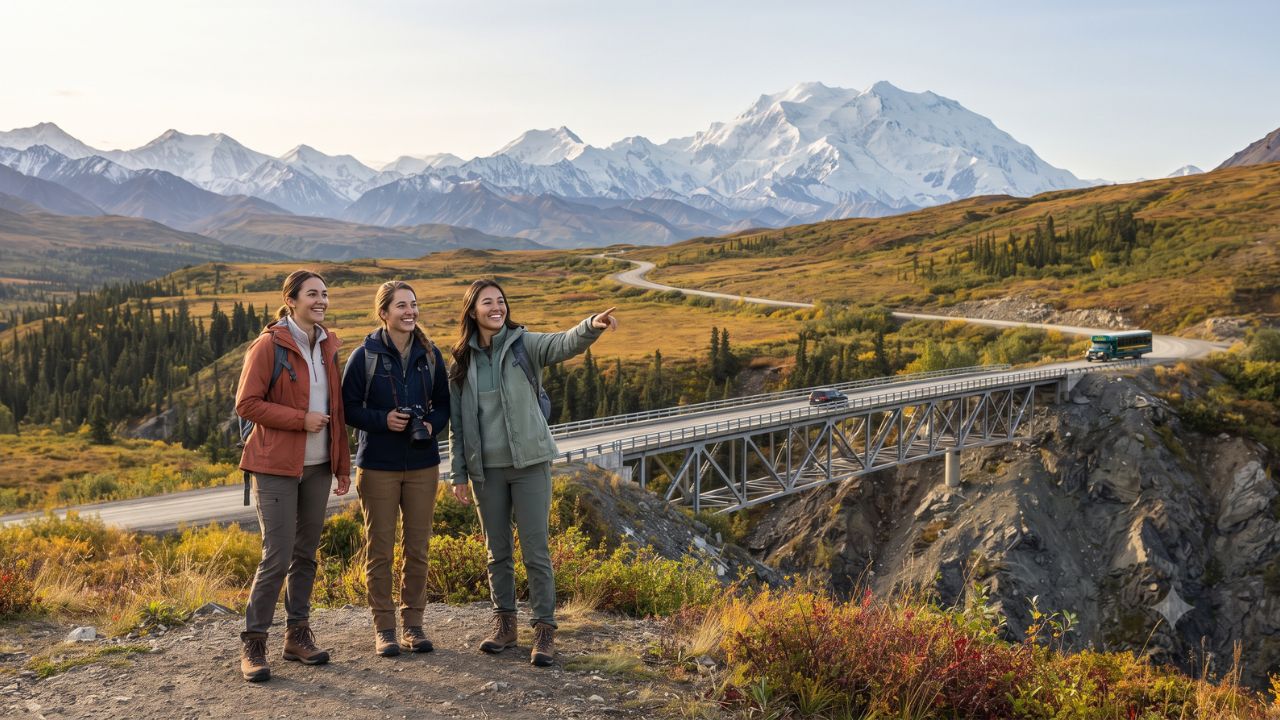
Denali Park Road Reopening 2027: Pretty Rocks Bridge, Wonder Lake Access, and Alaska Wilderness Guide

Ukraine Border Corridors and Level 4 Transit: Managing Land Travel Amid Airspace Closures and Conflict