UK Expands Ethiopia Travel Warnings: Afar Region Restrictions and Northern Flight Suspensions 2026

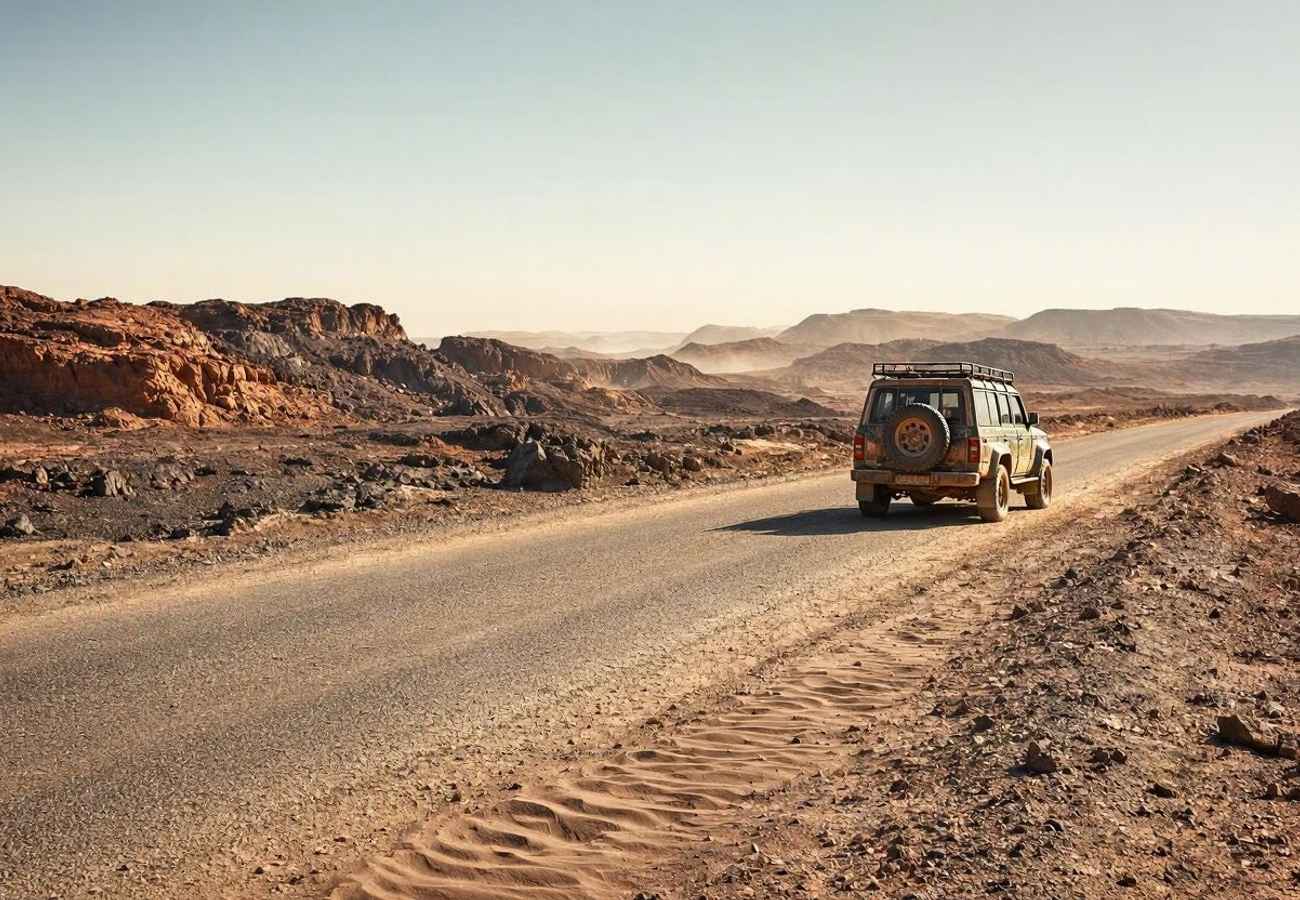
Image generated by AI
A 20 km buffer zone from the Eritrean border and a 50 km exclusion zone near Tigray now define the highest level of risk for British nationals visiting Ethiopia. On 24 September 2026, the UK government updated its regional safety advisories, specifically targeting the Afar region. While Ethiopia remains open to tourism, these granular geographic restrictions signal a volatile security environment in the north, fundamentally altering the logistics for anyone planning expeditions to the Danakil Depression or crossing toward the coast.
The Geometry of Risk in Northern Ethiopia
The recent update from the UK government is not a blanket ban on Ethiopian travel, but a strategic recalibration of risk zones. The Afar region, known for its extreme landscapes and strategic corridors, is now split into two distinct tiers of warning. The most severe "do not travel" advice applies to any area within 20 km of the border with Eritrea and within 50 km of the Tigray regional border. For the remainder of the Afar region, the guidance has shifted to "against all but essential travel."
This tiered approach reflects the lingering instability following the 2020–2022 conflict involving Tigray, Amhara, and Afar. Travelers must recognize that these warnings are not merely suggestions; they are formal designations that often trigger insurance voids and legal complications for government employees or corporate contractors.
Logistics and Transport Disruptions
The security situation has created a fragmented transport network in northern Ethiopia. The most significant blow to regional connectivity is the continued suspension of all civilian flights to and from Tigray. Furthermore, foreign nationals are currently blocked from using airports within the Afar region due to restrictions imposed by Ethiopian authorities.
For those attempting to reach the north via road, the risks are equally acute. The primary artery connecting Addis Ababa to Djibouti—which traverses the Afar region—is subject to irregular clashes and the sudden appearance of roadblocks. When combined with chronic fuel shortages that plague the regions outside the capital, ground transport becomes a high-variance gamble.
| News Component | Editorial Weight | Verified Finding | Traveler Impact |
|---|---|---|---|
| Regional Safety | 50% | Tiered warnings in Afar/Tigray/Amhara | Route-by-route verification required |
| Air Access | 25% | Tigray flights suspended; Afar airport bans | Northern flights unreliable/unavailable |
| Ground Transit | 15% | Roadblocks and fuel shortages | High risk of itinerary failure |
| Documentation | 10% | Visa/Passport rules unchanged | Standard entry requirements apply |
Expert Analysis: The Insurance and Legal Trap
For travelers booking routes through northern Ethiopia, the direct consequence of the 24 September update is the potential invalidation of travel insurance. Most comprehensive policies, including those aligned with International Air Transport Association (IATA) standards or national guidelines, contain clauses that nullify coverage if a traveler enters a region designated as "do not travel" by their home government.
The pricing pressure created by these restrictions is likely to manifest in "premium" guided tours. As independent travel becomes legally and physically riskier, specialized operators may hike prices to cover the cost of private security or alternative, longer routing to bypass the 20 km and 50 km exclusion zones.
Moreover, the restriction on foreign nationals using Afar airports creates a logistical bottleneck. Travelers who previously relied on regional hops must now commit to long-haul road transfers, increasing their exposure to the aforementioned roadblocks and fuel crises. For the nomad lawyer or corporate traveler, the risk is not just physical but contractual; failing to adhere to these updated boundaries could be viewed as "gross negligence" in the event of an evacuation claim.
The UK government has expanded its travel warnings for Ethiopia, advising against all travel to the Afar region due to ongoing conflict and instability. For the latest information on travel restrictions and safety guidelines, visitors can check the UK Government's travel advisory website for up-to-date information. This warning is expected to impact tourism in the region, with many travelers opting to postpone or cancel their plans.
Key Takeaways
- Strict Exclusion Zones: Do not enter areas within 20 km of the Eritrean border or 50 km of Tigray.
- Airspace Restrictions: Civilian flights to Tigray remain suspended, and foreign nationals are barred from Afar airports.
- Road Volatility: The Addis Ababa–Djibouti corridor is prone to roadblocks and clashes; fuel shortages are common.
- Insurance Risk: Traveling into "do not travel" zones likely voids standard travel insurance policies.
- Document Stability: Despite safety warnings, standard UK Government visa and passport requirements for Ethiopia remain in effect.
FAQ: Ethiopia Travel 2026
Can I still visit the Danakil Desert? While not entirely banned, the Danakil Desert falls within the Afar region. You must verify if your specific tour route enters the 20 km Eritrean or 50 km Tigray buffer zones, as these are strictly off-limits.
Are flights from Addis Ababa to Tigray operating? No. All civilian flights to and from Tigray are currently suspended. Travelers should seek alternative destinations or wait for official government updates.
Do I need a new visa because of the travel warning? No. The updated safety advice does not change entry requirements. British citizens still need a valid, machine-readable passport and the appropriate tourist or business visa.
Will my insurance cover me in Afar? Likely not in the "do not travel" zones. Most insurers will not cover medical evacuation or theft if you ignore government warnings. Check your policy's specific language regarding "government travel advice."
The map of Ethiopia is shifting faster than the itineraries of those who visit it.
Related Travel Guides
This article is for informational purposes. Flight routes, passenger regulations, visa rules, and transit advisories are subject to change by airlines and aviation authorities. Readers are advised to verify schedules and travel documentation with relevant carriers and border agencies before departure.
Related Stories

Chicago Christmas Travel 2026: Insider Guide to Holiday Markets, Light Shows, and Extended Winter Attractions

Canada Travel 2027: Alberta and Quebec City Anchor New Attractions and Wilderness Guides