
UK August Bank Holiday 2026: 10.6 Million Travelers to Inject £4.3 Billion into Domestic Tourism
Approximately 10.6 million people are planning overnight domestic trips for the August Bank Holiday, providing a critical £4.3 billion boost to the UK travel industry.

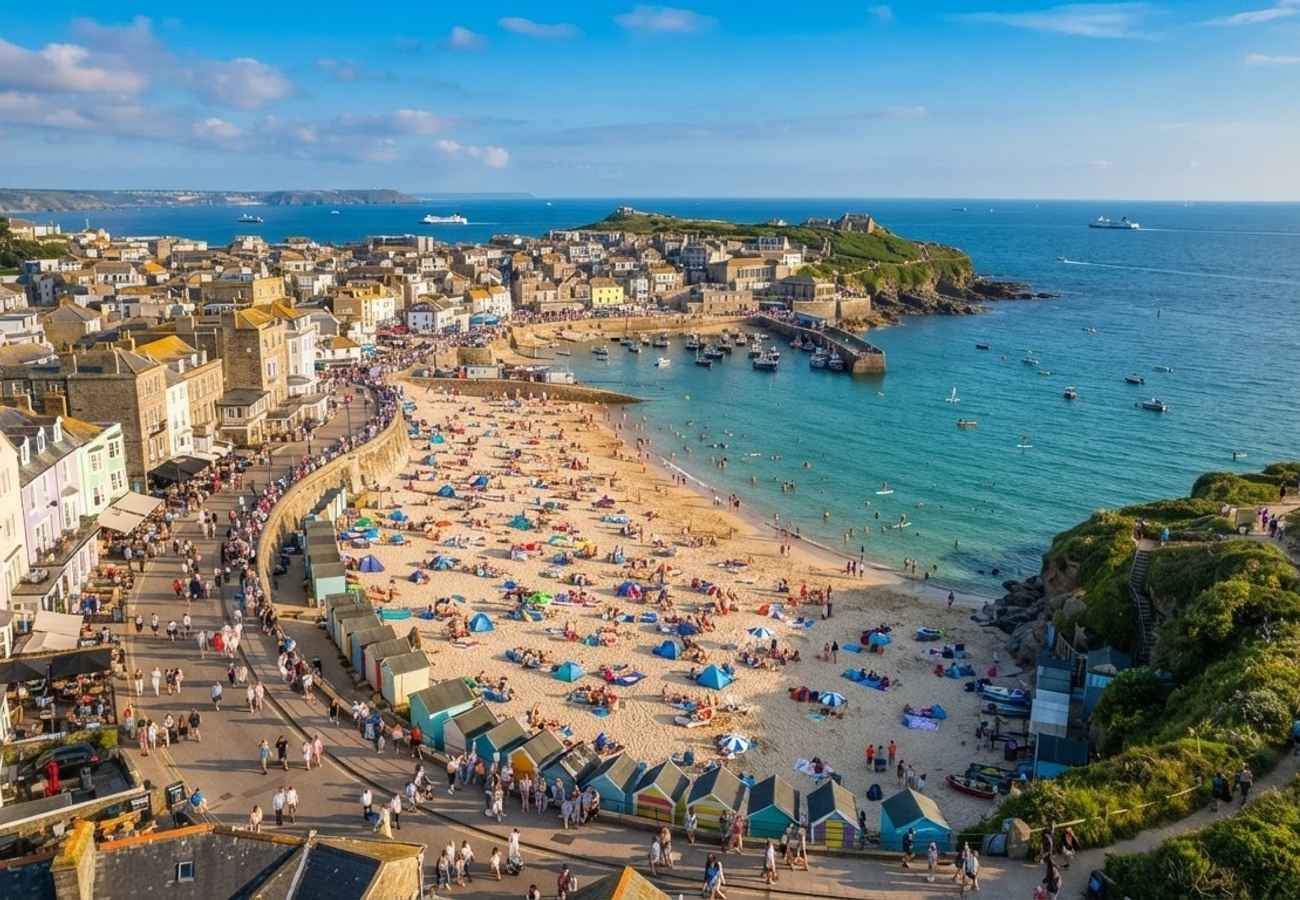
Image generated by AI
[London, August 26, 2026] — A massive surge of 10.6 million people are preparing to embark on overnight domestic vacations for the August Bank Holiday, a move expected to inject £4.3 billion into the UK’s travel and hospitality sectors. This influx of activity arrives as a vital lifeline for local businesses, hotels, and regional attractions facing a volatile economic year.
The latest Trip Tracker data from VisitEngland reveals a strong appetite for staycations, although the volume of planned trips shows a slight contraction compared to the previous three years. While the current projections remain high, they fall just short of the 11.2 million travelers recorded in 2025, the 11 million seen in 2024, and the 9.7 million who traveled in 2023.
Domestic Travel Trends and Volume Shifts
The UK tourism landscape is currently navigating a complex recovery phase. While the August Bank Holiday remains a cornerstone of the summer season, the overall trend for overnight domestic stays in 2025 has been under pressure. This downward pressure has been most visible in coastal regions, where overnight visits to England's seaside destinations plummeted by 18% year-on-year.
The anticipated £4.3 billion spending spree is viewed by industry observers as a critical mechanism for stabilizing these coastal economies. For many small-scale accommodation providers and independent restaurants, the long weekend represents a primary opportunity to recoup losses sustained during the earlier part of the year.
Government Initiatives and Consumer Incentives
To combat the decline in domestic movement, the UK Government has implemented the Great British Summer Savings scheme. This initiative is specifically designed to lower the financial barrier for families, offering discounted entry to cinemas, theme parks, and soft play centers.
Tourism Minister Stephanie Peacock highlighted that these domestic breaks are essential for the survival of locally-owned enterprises and the maintenance of social cohesion within regional towns. The current bank holiday marks the final window for consumers to utilize the savings scheme, which aims to drive footfall toward businesses that rely heavily on seasonal peaks.
Consumer Behavior and Financial Constraints
Despite the high number of travelers, the psychology of the 2026 traveler is heavily influenced by the cost-of-living crisis. VisitEngland Chief Executive Patricia Yates noted that while the desire to travel remains intact, the method of booking has shifted.
Industry data indicates a significant rise in last-minute bookings as travelers hunt for value-driven accommodation and dining options. This trend creates a high-stress environment for small business owners who struggle with unpredictable occupancy rates. The shift toward "value-seeking" behavior suggests that while the volume of travelers is high, the average spend per person may be more constrained than in previous decades.
Economic Projections and Future Growth
The scale of the domestic tourism sector remains a powerhouse for the English economy, contributing approximately £127 billion annually. The industry is a massive employment engine, supporting roughly 2.1 million jobs, with a disproportionate benefit flowing to rural and coastal communities.
VisitEngland’s research suggests a massive untapped opportunity in the "staycation" market. According to their analysis, if just 10% of the capital currently spent by UK residents on overseas holidays were redirected toward domestic travel, it would generate an additional £8 billion for the national economy every year.
Strategic Recovery for Coastal Tourism
To address the specific slump in seaside visits, a new strategic push is scheduled for the autumn. The 'All on England’s Coast' campaign, supported by a £2 million marketing investment, will launch to encourage travel during the "shoulder season." By partnering with commercial entities to increase bookings during quieter months, the campaign seeks to move coastal tourism away from a "peak-only" model toward a sustainable, year-round economy.
Domestic Trip Volume Comparison (2023–2026)
The following table illustrates the fluctuations in planned overnight domestic trips during the August Bank Holiday period over the last four years.
| Year | Planned Overnight Trips (Millions) | Trend |
|---|---|---|
| 2023 | 9.7 | Baseline |
| 2024 | 11.0 | Increase |
| 2025 | 11.2 | Peak |
| 2026 | 10.6 | Slight Decline |
Why This Matters: The Impact on the Modern Traveler
For the average traveler, these statistics translate into a "last-minute" marketplace. The trend of delaying bookings until the final days suggests that those who are flexible with their destinations can likely find significant discounts as hotels attempt to fill remaining gaps in their inventory.
From a logistical standpoint, the fact that 5.8 million people remain undecided about their plans creates a volatile demand curve. This uncertainty is driven by three primary factors: weather forecasts, the availability of aggressive travel deals, and general affordability. For the consumer, this means the "best deal" will likely emerge only 48 to 72 hours before the holiday begins.
For the local economy, this shift is a double-edged sword. While the £4.3 billion injection is massive, the reliance on last-minute bookings makes it nearly impossible for small businesses to manage staffing and inventory efficiently. The "nail-biting" nature of the current market, as described by industry leaders, underscores a shift from predictable seasonal tourism to a high-volatility, price-sensitive model.
The UK's domestic travel sector is fighting to maintain its momentum in an era of economic uncertainty.
Related Travel Guides
Disclaimer
This article is for informational and educational purposes only. It does not constitute legal, financial, or professional advice. While we strive to provide accurate and up-to-date information, travel policies, regulations, and conditions change rapidly. Always verify information with official sources before making travel decisions. Nomad Lawyer makes no representations about the accuracy, reliability, completeness, or suitability of the information provided. Readers should consult qualified professionals for advice specific to their circumstances. The views expressed in this article are those of the author and do not necessarily reflect the views of Nomad Lawyer.
Preeti Gunjan
Contributor & Community Manager
A passionate traveller and community builder. Preeti helps grow the Nomad Lawyer community, fostering engagement and bringing the reader experience to life.
Learn more about our team →