
Fighter Jets: US Military Dominates 2026 Global Air Defense with 2,700+ Combat Aircraft
The United States maintains overwhelming fighter jet superiority in 2026 with 2,700+ combat aircraft, reshaping global defense strategy and alliance partnerships across military aviation.

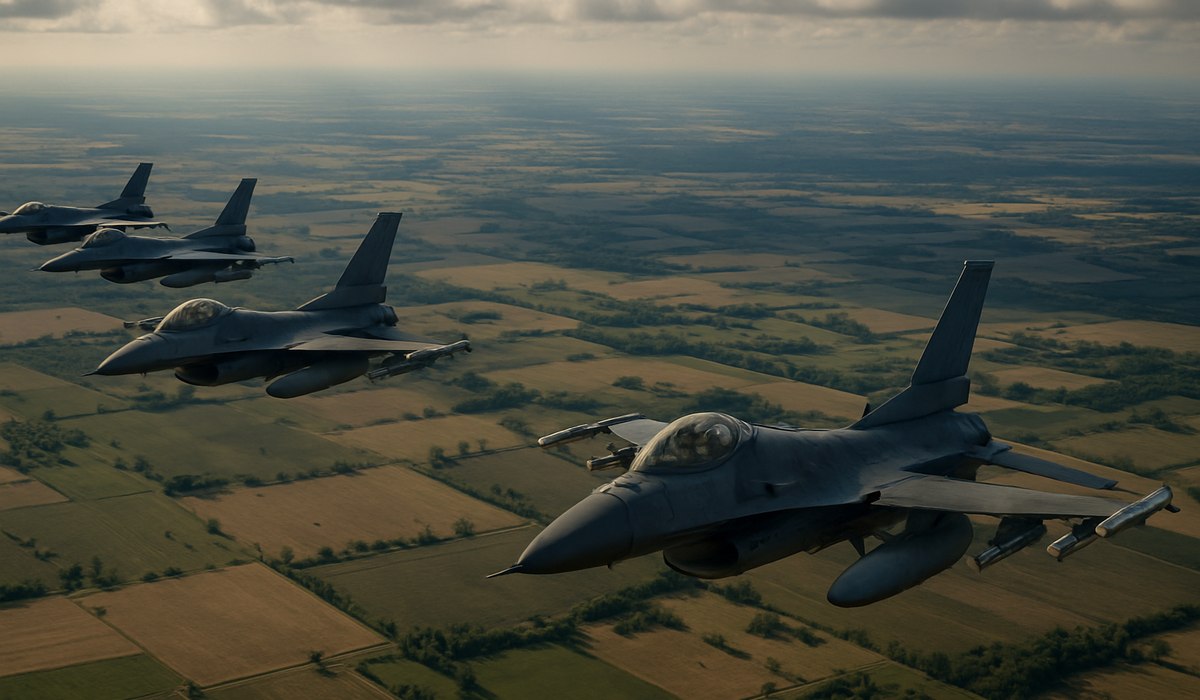
Image generated by AI
US Military Maintains Fighter Jet Dominance in 2026 Global Defense Hierarchy
The United States continues to dominate the world's fighter jet landscape in 2026, commanding more than 2,700 combat aircraft across its military services. This commanding fleet represents nearly three times the combined capability of the next two largest air forces, according to the World Air Forces Directory 2026. The scale of America's aerial superiority reshapes defense planning, international alliance dynamics, and procurement strategies across NATO and Indo-Pacific partnerships, establishing the strategic foundation for military readiness throughout this decade.
US Fighter Jet Fleet Dominance
The American military's fighter jet inventory encompasses advanced platforms distributed across the Air Force, Navy, and Marine Corps. This tri-service approach ensures comprehensive operational coverage across global theaters, from traditional land-based operations to carrier strike group deployments. The fleet includes legacy systems alongside next-generation platforms, creating layered defensive capabilities that extend beyond raw aircraft numbers.
The strategic significance extends beyond sheer quantity. American procurement focuses on platform modernization, sensor integration, and pilot training sophistication. These qualitative factors amplify the operational effectiveness of each aircraft, translating numerical advantage into decisive combat capability. Defense planning cycles increasingly emphasize this multiplication effect—newer platforms deliver exponentially greater mission effectiveness than older variants, even when numerical strength appears comparable across different nations' inventories.
The distribution of these assets reflects geographic priorities. Forward-deployed fighter jets protect alliance interests across Europe, the Middle East, and the Indo-Pacific region. This global positioning requires sustained logistical support, maintenance infrastructure, and pilot rotation schedules that demand substantial military budgets and sophisticated supply chain management.
China and Russia's Military Air Capabilities
China operates a substantially smaller fighter jet fleet, though modernization efforts accelerate rapidly. Russian aviation capabilities, while respectable in quantity, face aging inventory challenges and limited procurement budgets for replacement aircraft. Both nations maintain significant development programs for next-generation platforms, but deployment timelines suggest American air superiority will persist throughout the 2026-2030 period.
The comparative analysis reveals crucial distinctions beyond numerical counts. American platforms benefit from decades of combat experience, continuous technological iteration, and international standardization across NATO allies. Chinese and Russian inventories emphasize regional defense strategies rather than global power projection capabilities. This fundamental difference in doctrine shapes procurement priorities, training methodologies, and operational deployment patterns across all three nations.
Technological gaps continue widening. American stealth capabilities, advanced avionics, and integrated air defense suppression systems provide significant advantages in contested airspace scenarios. Pilot experience levels diverge dramatically—American aviation culture emphasizes continuous advanced training, while peer competitors struggle with pilot fatigue and training resource constraints. These qualitative differences multiply the effectiveness gap beyond what raw numbers suggest.
Impact on Global Defense Strategy
Fighter jet dominance directly influences treaty negotiations, alliance commitments, and regional power dynamics. NATO allies leverage American air superiority guarantees when negotiating defense arrangements. Indo-Pacific partners seek security assurances backed by demonstrated aerial capability. This power projection fundamentally shapes geopolitical relationships and conflict deterrence strategies across contested regions.
The American advantage enables flexible response capabilities across multiple simultaneous theaters. European commitments remain robust while maintaining significant Indo-Pacific positioning. This global reach differentiates American defense strategy from competitors focused primarily on regional dominance. The ability to simultaneously support allied air forces while maintaining independent operational capacity creates strategic depth unavailable to peer competitors.
Defense spending implications remain substantial. Maintaining 2,700+ fighter jets requires continuous investment in maintenance, personnel training, infrastructure upgrades, and pilot development programs. These costs exceed most nations' entire defense budgets. American economic capacity absorbs these expenses while continuing advanced platform development for future capabilities. Peer competitors must prioritize spending more carefully, often choosing between fleet maintenance and new platform development.
Future Procurement and Alliance Implications
Next-generation fighter jet programs shape competitive trajectories through 2030 and beyond. American development emphasizes human-machine teaming, artificial intelligence integration, and network-centric warfare capabilities. These qualitative upgrades further extend American advantages beyond what upcoming Chinese or Russian platforms will deliver.
Ally participation in American procurement programs creates technological standardization and interoperability advantages. NATO members increasingly operate American platform variants, creating unified air defense architectures. Indo-Pacific partners select American aircraft for compatibility with allied systems. This network effect amplifies American strategic influence beyond direct military capability—allies gain access to technological ecosystems unavailable from competitor sources.
The financial implications shape global military budgets. Countries choosing American platforms must invest in supporting infrastructure, maintenance training, and pilot education programs compatible with American doctrine. These dependency relationships deepen alliance commitments while ensuring sustained technological advantage. Competitors offering alternative platforms struggle with limited buyer bases and reduced economies of scale for manufacturing and support operations.
| Metric | United States | China | Russia | Implication |
|---|---|---|---|---|
| Active Fighter Jets | 2,700+ | ~1,200 | ~900 | US maintains 2-3x advantage |
| Fifth-Gen Aircraft | 300+ | 100+ | 0 | American stealth dominance |
| Annual Procurement | 100-150 | 50-80 | 20-30 | US sustains lead indefinitely |
| Pilot Training Hours (Annual) | 180+ | 120 | 100 | Experience gap widens yearly |
| Global Deployment Range | Worldwide | Regional | Regional | US projects power globally |
| Technology Cycle (Years) | 8-10 | 15-20 | 15-25 | American innovation pace advantage |
What This Means for Travelers
While fighter jet military dominance primarily affects defense policy, travelers benefit from enhanced security infrastructure at major airports. American air superiority ensures stable, secure airspace management across international routes. Airlines operating in US airspace benefit from sophisticated traffic management systems backed by military-grade radar and communication networks.
Traveler Action Checklist:
- Review current airspace advisories through FAA before international travel near potential conflict zones
- Check flight status updates on FlightAware for real-time routing information
- Monitor airline communications for potential route modifications based on geopolitical developments
- File complaints about service disruptions with US DOT when necessary
- Verify aircraft type with your airline—newer military-derived platforms indicate superior safety systems
- Purchase comprehensive travel insurance covering political unrest or military activity disruptions
- Register with your embassy before traveling to regions near military infrastructure
Military airspace coordination ensures commercial aviation operates within protected corridors. This separation between military and civilian operations reduces collision risks while maintaining national security capabilities. American military commitment to airspace management establishes standards adopted internationally, creating safer skies for travelers worldwide.
Frequently Asked Questions
How does US fighter jet dominance affect commercial air travel safety?
American military maintains sophisticated air traffic control systems and collision avoidance infrastructure protecting civilian aircraft. Military airspace management keeps commercial routes separate from combat training areas. These coordination procedures reduce operational risks while supporting strategic defense capabilities. Travelers benefit from advanced safety systems funded by military modernization budgets.
Can geopolitical military tensions delay international flights?
Yes, tensions affecting military operations may alter commercial airspace routing or impose temporary restrictions. Airlines adjust flight paths based on government advisories. Significant military escalations occasionally trigger airspace closures affecting major international corridors. Travel insurance covering political disruptions protects against unexpected delays or cancellations.
What aircraft types indicate superior safety technology?
Newer fighter jet designs incorporate advanced avionics, collision avoidance systems, and communication protocols adopted by commercial manufacturers. Modern commercial aircraft integrate military-developed safety technologies. Checking aircraft age and type provides insights into available safety systems. Newer aircraft generally feature enhanced protection systems developed through military research programs.
Does military spending reduce commercial aviation funding?
Defense and commercial aviation budgets operate separately, but skilled personnel and technological innovations frequently transfer between sectors. Military pilot training creates experienced aviation professionals. Advanced materials and engines developed militarily improve
Disclaimer
This article is for informational and educational purposes only. It does not constitute legal, financial, or professional advice. While we strive to provide accurate and up-to-date information, travel policies, regulations, and conditions change rapidly. Always verify information with official sources before making travel decisions. Nomad Lawyer makes no representations about the accuracy, reliability, completeness, or suitability of the information provided. Readers should consult qualified professionals for advice specific to their circumstances. The views expressed in this article are those of the author and do not necessarily reflect the views of Nomad Lawyer.
Raushan Kumar
Founder & Lead Developer
Full-stack developer with 11+ years of experience and a passionate traveller. Raushan built Nomad Lawyer from the ground up with a vision to create the best travel and law experience on the web.
Learn more about our team →